Who Invented Basketball?
James Naismith, a Canadian physical-education instructor at the International YMCA Training School in Springfield, Massachusetts, developed basketball in the autumn of 1891. The first game was played on 21 December 1891 and ended 1-0. The ten-foot hoop height comes from the balcony rail where the first two peach baskets were nailed.

In this explainer +
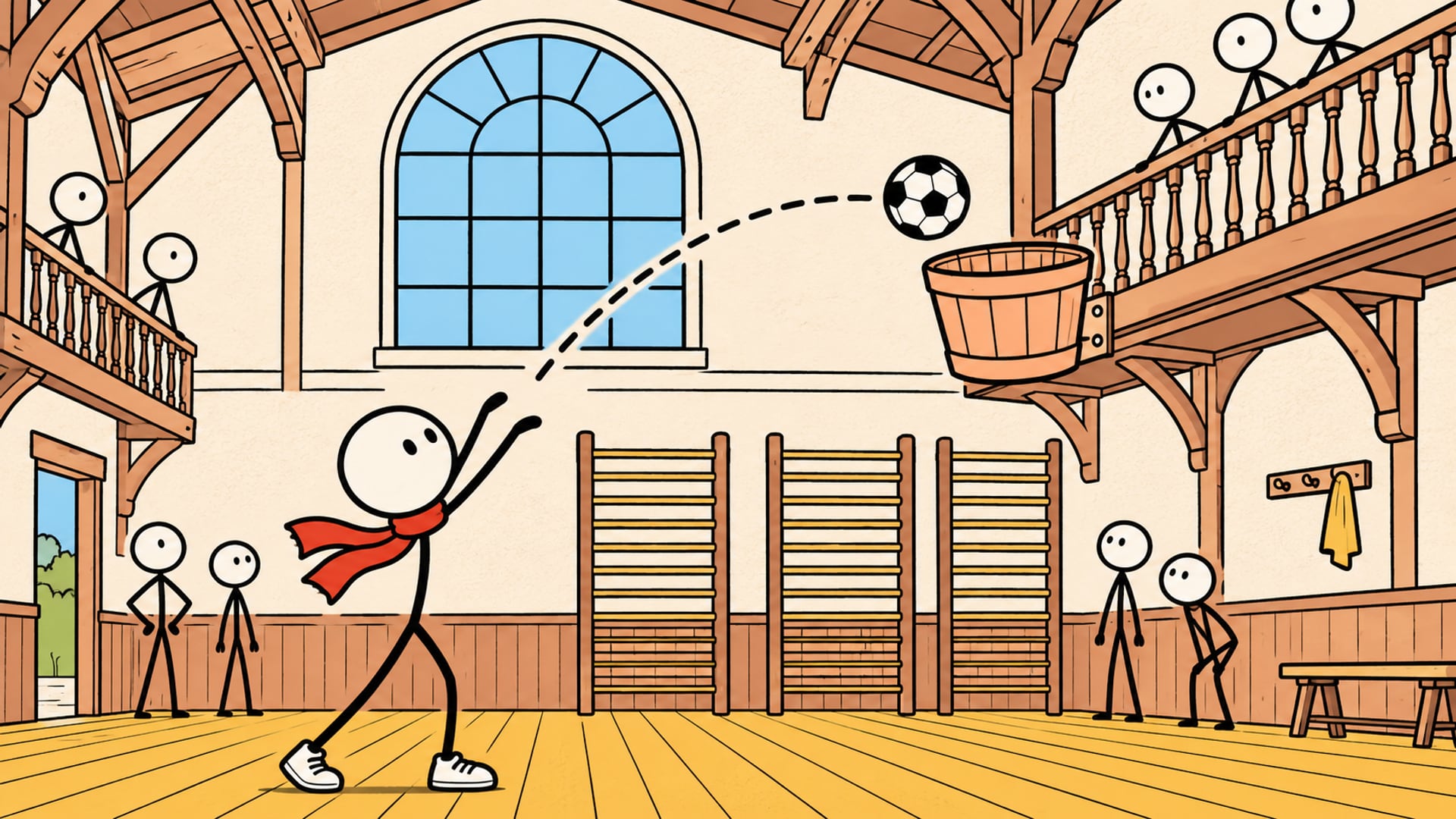
It's December 1891, in the gymnasium of the International YMCA Training School in Springfield, Massachusetts. A teacher has asked the janitor for two boxes, each about 18 inches across. The janitor, Pop Stebbins, comes back with two peach baskets instead.
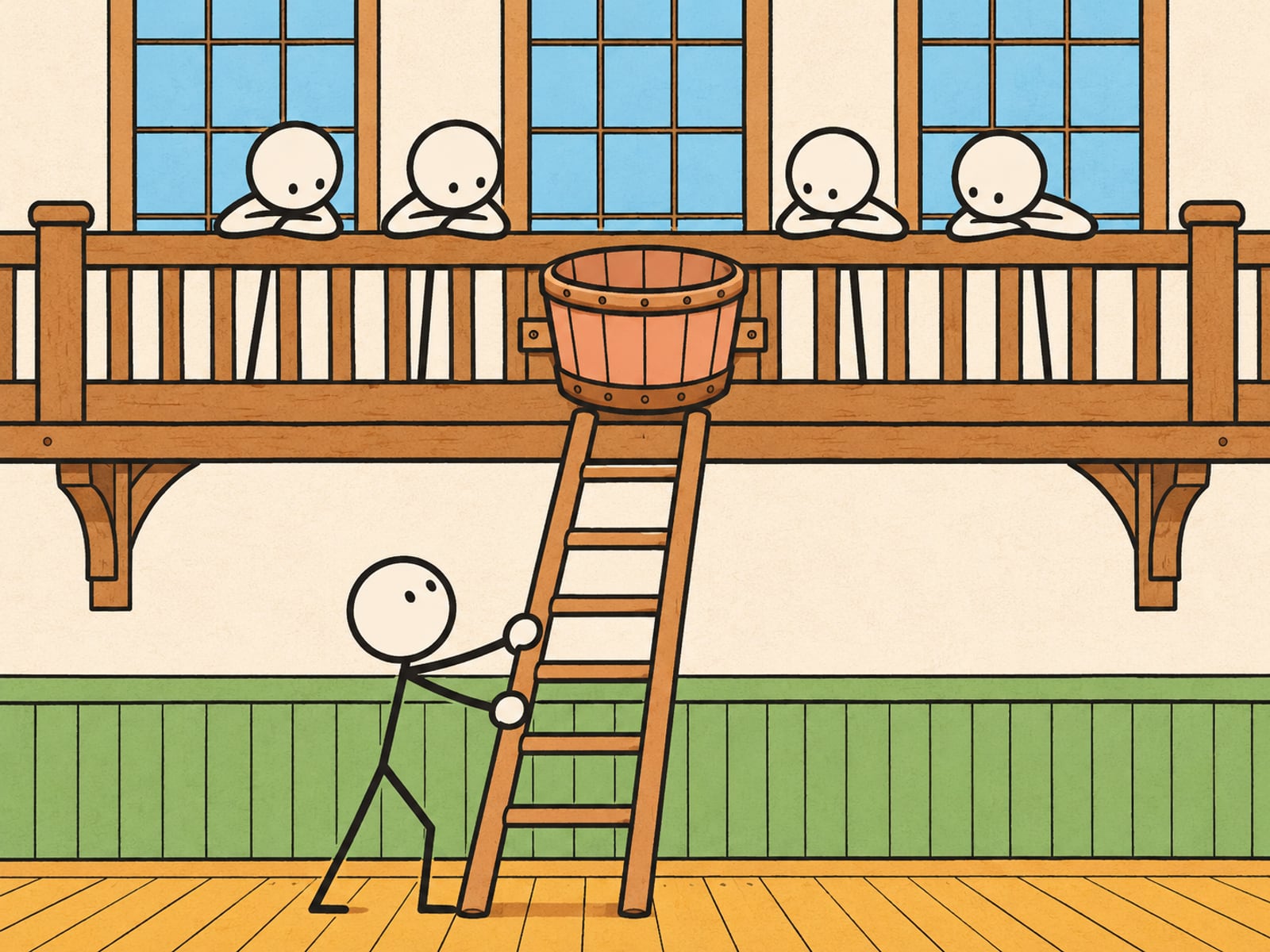
The teacher is James Naismith, a Canadian physical-education instructor, and he is the person who developed basketball. He nails the baskets to the lower rail of the gym balcony, which happens to sit ten feet above the floor. That is the whole origin of the ten-foot hoop.
The school is now Springfield College, and the college's own account tells the story. Let's go back a few weeks, because Naismith did not wake up one morning wanting to throw a ball into a basket.
The assignment: an indoor game for winter
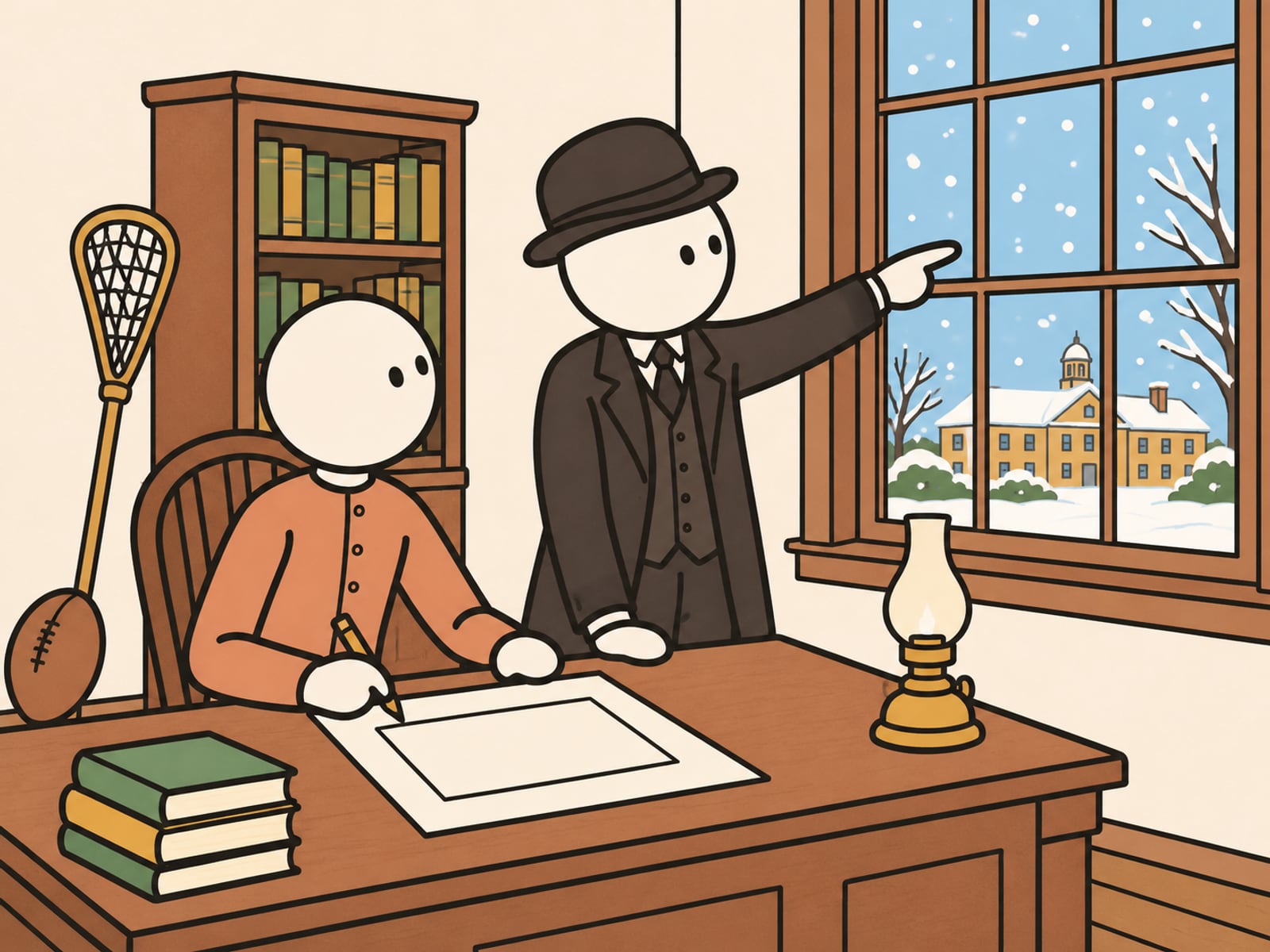
In autumn 1891, Naismith was an instructor and a graduate student at the school. Its superintendent, Luther Halsey Gulick, gave him a problem. Students needed a game to play indoors through the winter, one that was interesting, easy to learn and playable under artificial light. It also had to be active enough for physical training, and less violent than football, rugby and soccer. The University of Kansas Libraries hold the Springfield College archives behind this part of the story.
Naismith built the answer from pieces he already knew. According to CONADE, Mexico's national sports commission, he drew on rugby, lacrosse, soccer and a childhood game called "duck on a rock."
In other words, basketball was assembled from older games, with the rough parts left out. No tackling, no running with the ball, and a target that sat above the players' heads.
Two peach baskets and a soccer ball
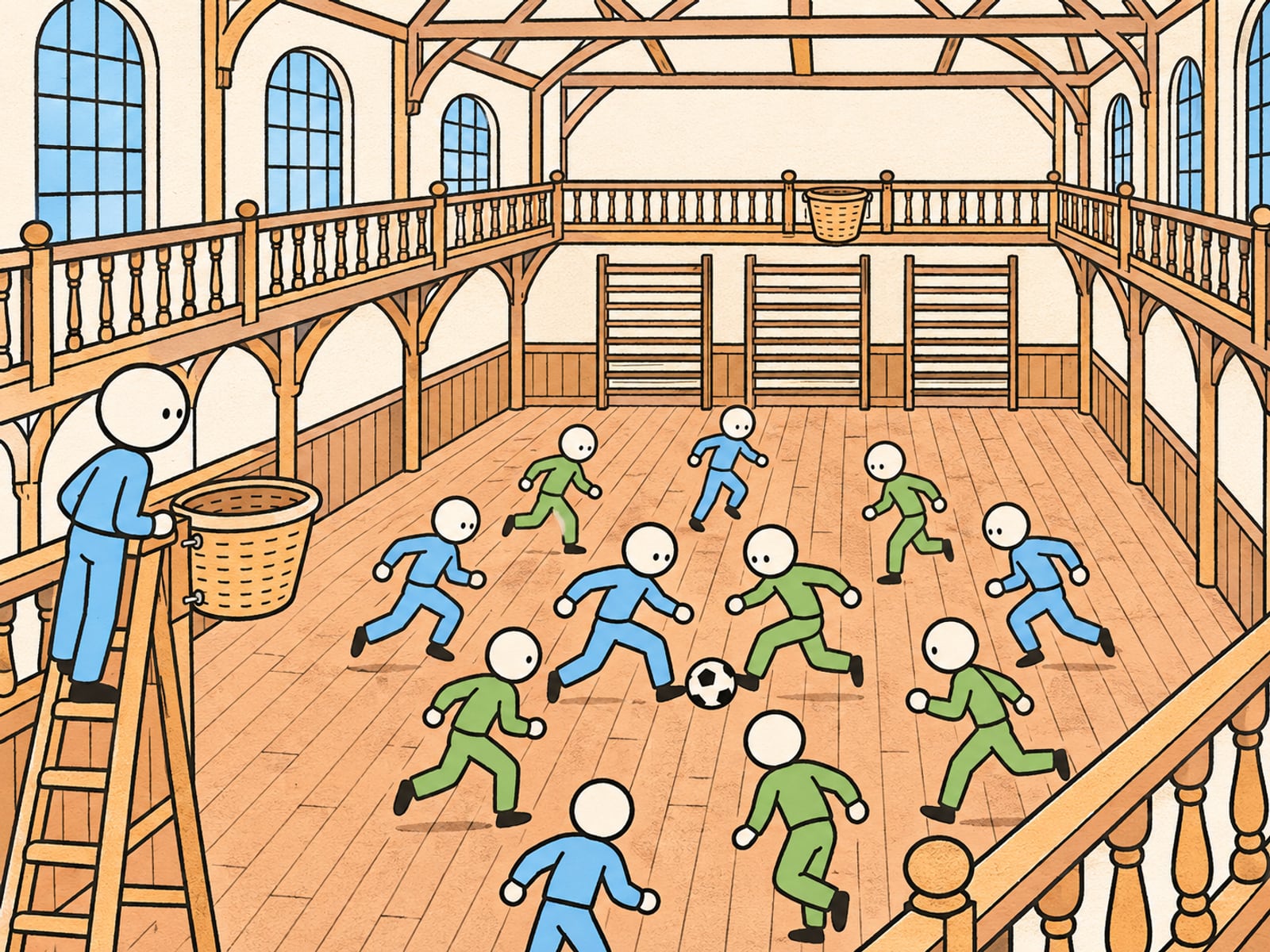
The first game took place on 21 December 1891. The Naismith Memorial Basketball Hall of Fame lists the class as 18 students, split into two teams of nine. Each team had three forwards, three centers and three backs.
They played with a soccer ball. The FIBA coaches' manual records the final score: 1-0, one successful basket in the whole game.
The baskets had bottoms, so someone had to retrieve the ball from the basket after the score. Not exactly a fast break.
Naismith wrote 13 rules that December, and they were first published in January 1892 in The Triangle, the school's magazine. A few of them still sound familiar:
- A player could not run with the ball. It had to be thrown from the spot where it was caught.
- The ball could be thrown or batted in any direction, but never struck with a fist.
- A goal counted when the ball was thrown or batted from the court into the basket and stayed there.
- A game was two 15-minute halves with a five-minute rest.
The original rules are two typewritten, annotated pages. They were bought at Sotheby's in 2010 for $4.3 million by David and Suzanne Booth. Today they sit in the Rules Gallery at the DeBruce Center at the University of Kansas in Lawrence. The university's Rules page covers the document.
Why ten feet, and what changed after
The hoop is ten feet high because the balcony rail was ten feet high. Naismith himself later said that if the gallery had been eleven feet high, the goals might have been placed at eleven feet. His own written account of the game's origin is archived by the New York State Hall of Fame.
Think of it like this: the height of a balcony rail became the standard height for the sport. Nobody planned it.
The balcony caused trouble too. Spectators sat above the baskets and could reach over and block shots. The backboard arrived in 1895, partly to stop exactly that.
Then the rules loosened, one step at a time. The North Dakota High School Activities Association rules history gives the dates:
- 1898: dribbling is legalized. Before that, a player could only pass from the spot where the ball was caught.
- 1901: a player may dribble once, but cannot shoot afterward.
- 1906: open-ended baskets are legalized.
- 1909: unlimited dribbling is allowed.
FIBA's account also records a net replacing the basket in 1901, letting the ball drop straight through. The dates reflect stages of adoption, not one single worldwide switch on one single day.
How the game left Springfield
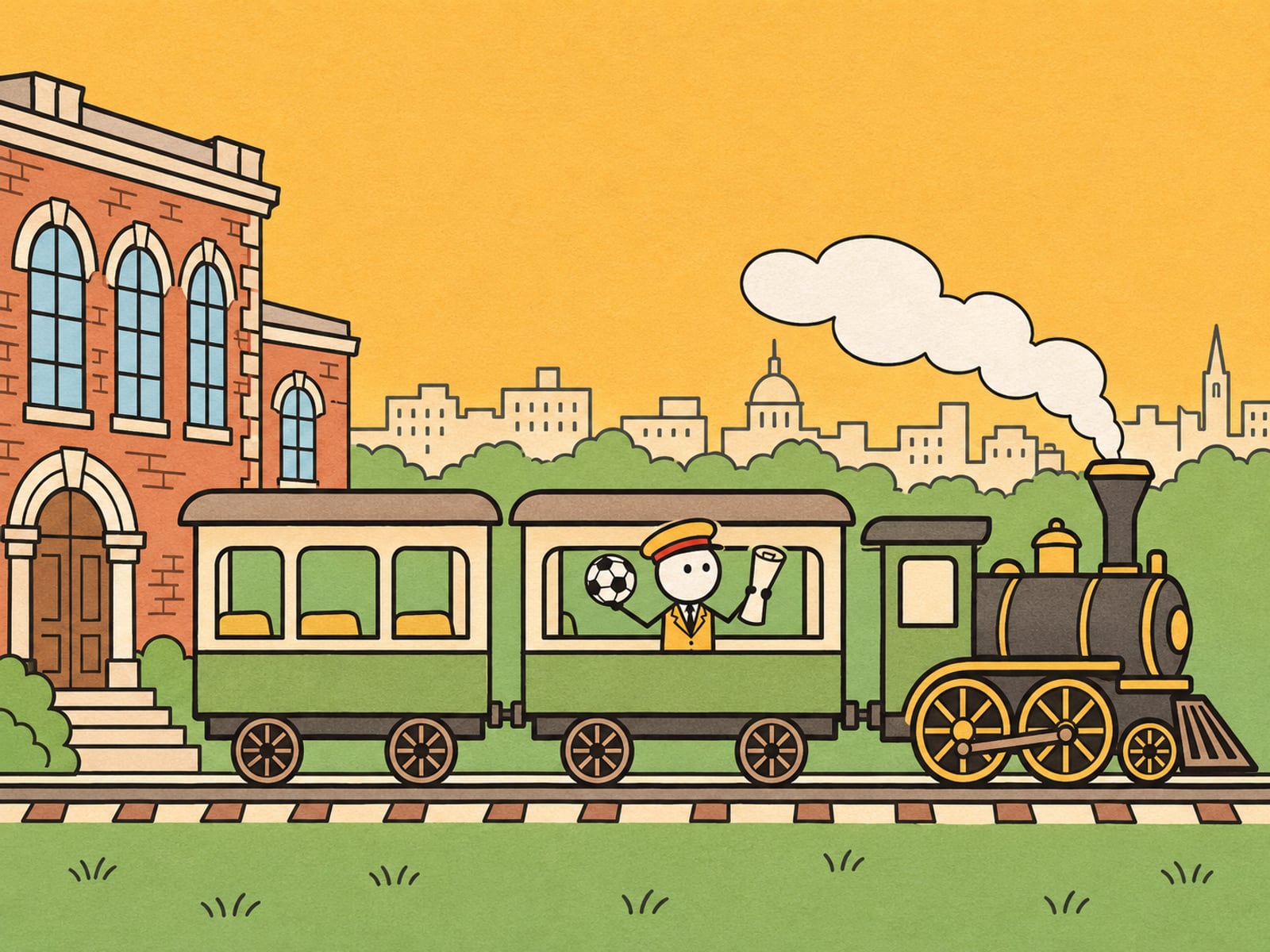
The YMCA was the delivery system. Its schools and clubs carried the new game to other countries.
In Mexico, a university study identifies the Mexican YMCA as established in 1902, and CONADE ties the sport's early arrival there to that period. A study from the University of Las Palmas de Gran Canaria has the 1902 date.
In Spain, Eladi Homs saw the game in Chicago in 1907 and brought it to Barcelona after returning in 1910. The first official Spanish game was played in Barcelona on 8 December 1922, according to EL PAÍS.
The name travels differently from the sport. Spain says baloncesto, while Mexico uses básquetbol, basquetbol and básquet. The game underneath is the same one.
The record
Questions people ask
Who invented basketball? 01
James Naismith, a Canadian physical-education instructor at the International YMCA Training School in Springfield, Massachusetts, developed it in autumn 1891. He built it from rugby, lacrosse, soccer and "duck on a rock," after Luther Halsey Gulick asked for an indoor winter game.
Why is a basketball hoop 10 feet high? 02
The first baskets were nailed to the lower rail of the gym balcony, and that rail was ten feet off the floor. Naismith later explained that an eleven-foot gallery might have meant eleven-foot goals.
Why does basketball have a backboard? 03
It was introduced in 1895, partly to stop spectators on the balcony from blocking shots. The balcony that set the hoop's height also put fans within arm's reach of the ball.
Why was dribbling not part of the original game? 04
Naismith's third rule said a player could not run with the ball and had to throw it from the spot where it was caught. Dribbling was legalized in 1898, a single dribble was allowed in 1901, and unlimited dribbling came in 1909.
One balcony, ten feet
The modern 10-foot hoop is the height of a balcony rail in a Massachusetts gym in 1891. The peach baskets are gone, the backboard and the open net came later, and teams are no longer nine players. The ten feet stayed.
Basketball began in 1891 with two peach baskets nailed to a gym balcony in Springfield, Massachusetts.
Sources

- Springfield College, "Birthplace of Basketball"
- University of Kansas Libraries, Springfield College archives
- Naismith Memorial Basketball Hall of Fame, "First Team"
- FIBA World Association of Basketball Coaches manual
- University of Kansas, DeBruce Center
- University of Kansas, "Rules"
- North Dakota High School Activities Association, rules history
- James A. Naismith, "Origin" (New York State Hall of Fame)
- CONADE, "Historia del Baloncesto"
- University of Las Palmas de Gran Canaria, "Bases para la formación del árbitro de baloncesto"
- EL PAÍS, "Enciclopedia del baloncesto español"