Who Invented School?
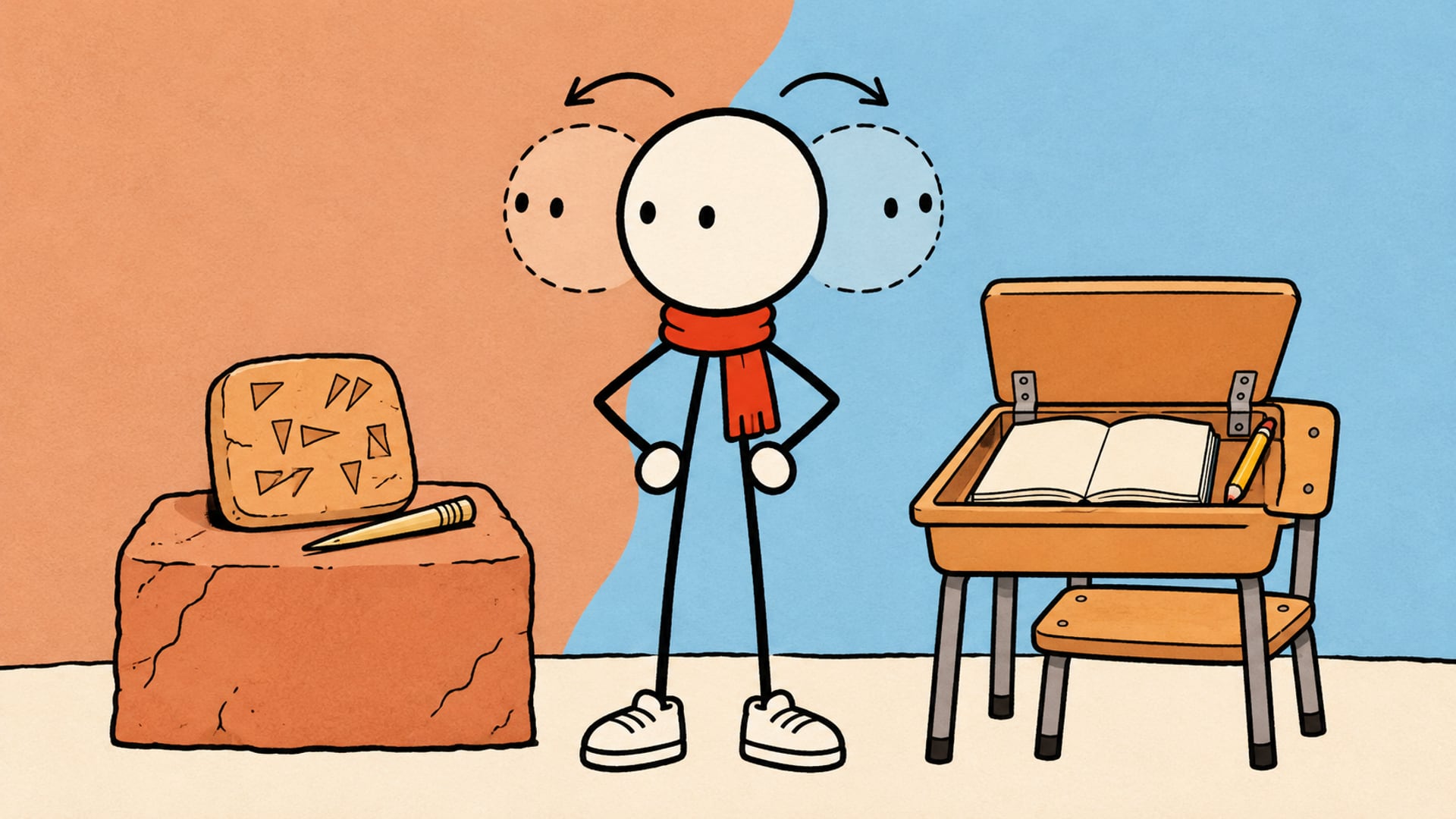
No one person invented school. Scribal schools in Mesopotamia date to about 2500 BCE, and Prussia's General School Regulations of August 1763 ordered parents to send boys and girls to school. In the United States, each state passed its own attendance law between 1852 and 1918.

In this explainer +
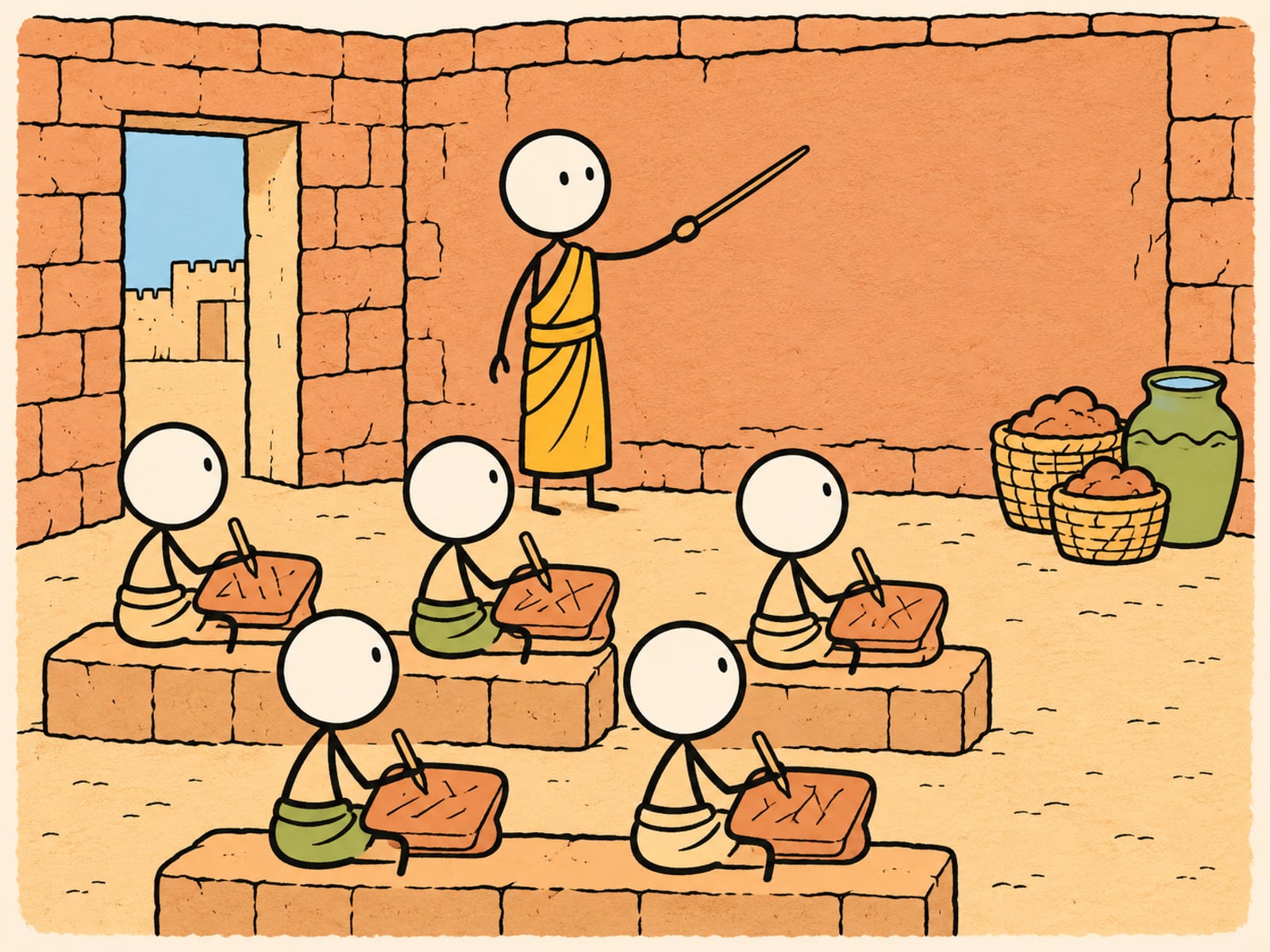
The earliest documented schools were scribal schools in ancient Mesopotamia, where students copied signs onto clay tablets with reed styluses by about 2500 BCE.
They were not schools for everyone. They trained a small group of mostly boys from wealthy families to work as scribes, administrators and religious officials.
So, school has no single inventor. Schools already existed in Mesopotamia by the third millennium BCE, and a state rule that children must attend came much later, with Prussia in 1763. That rule was a legal requirement with uneven enforcement, not proof that every child showed up the next morning.
The rest of the story is how the idea moved from clay tablets to state laws, one step at a time.
1. The first schools were scribal schools
Writing came first. Sumerian writing appeared around 3600 to 3500 BCE, and schooling followed it. By about 2500 BCE, archaeological evidence shows organized schools, some of them connected to temples and royal institutions.
A Sumerian school was called an edubba, meaning "house of the tablets." Students pressed reed styluses into wet clay to copy signs, vocabulary lists, proverbs, mathematics and literary texts. The evidence comes from Nippur, Ur, Uruk, Mari and Sippar, according to a conference paper on the Sumerian scribal schools and the World History Encyclopedia.
Nippur's House F is the star of the collection. It produced large numbers of student exercises, with corrections and practice work still on the clay.
Some girls also received scribal training, but they were a minority. The record supports one clear statement: schools existed in Mesopotamia by the third millennium BCE.
2. Compulsory school began in Prussia in 1763
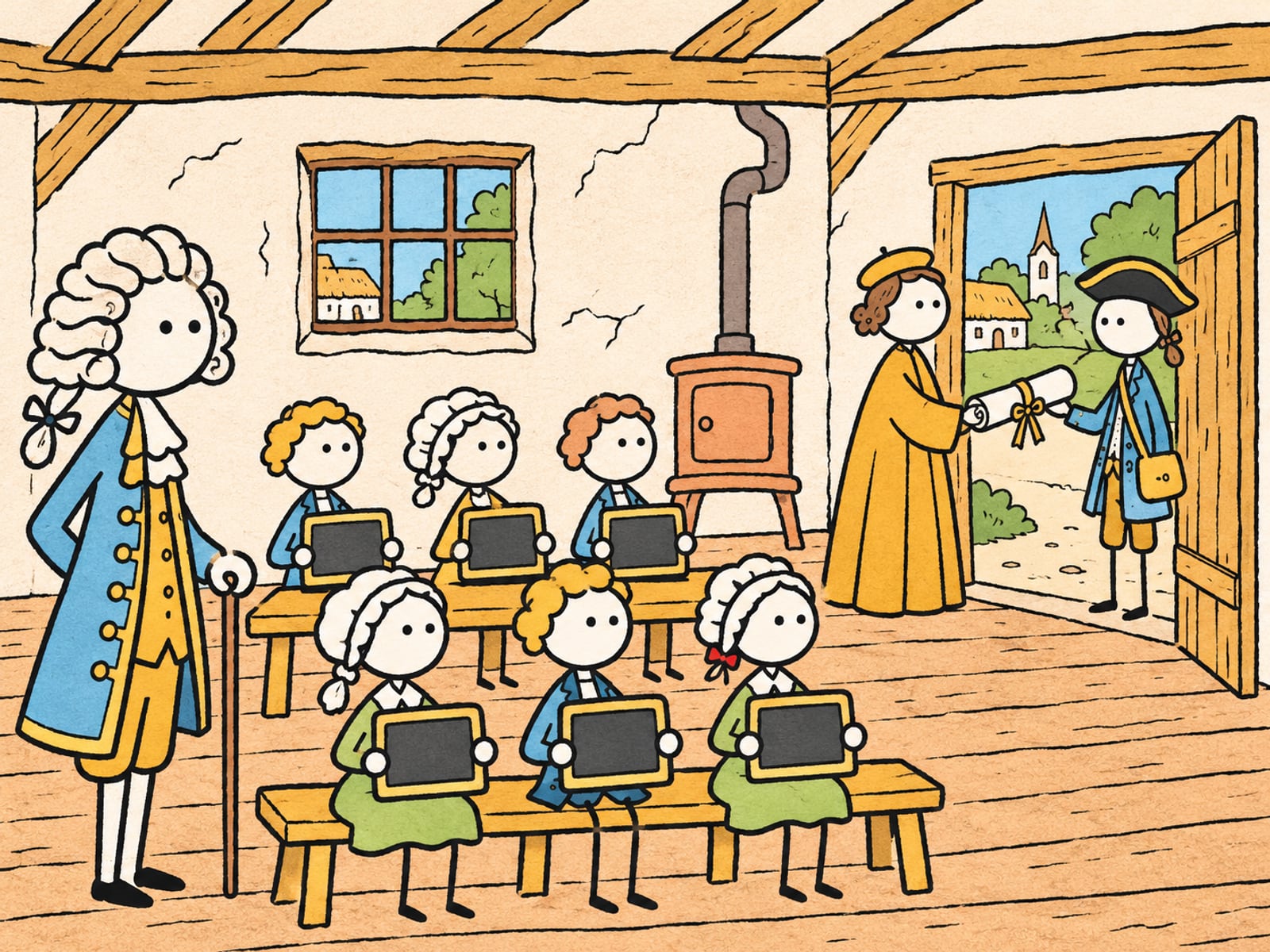
Fast forward about four thousand years. In August 1763, Frederick the Great issued the General School Regulations for Prussia.
The decree ordered parents, guardians and masters to send boys and girls to school from about age five until about thirteen or fourteen. Children were to learn Christian instruction, reading and writing. It also told masters not to take working children out of school before they could read and write, which is an early nod to child labor.
The full text is in the translated decree at German History in Documents and Images.
Here is the qualification that matters. The decree set a legal requirement, but enforcement was uneven. Prussia is best called an early pioneer of compulsory primary education, not the place where every child instantly sat down at a desk.
3. Horace Mann's reforms in Massachusetts
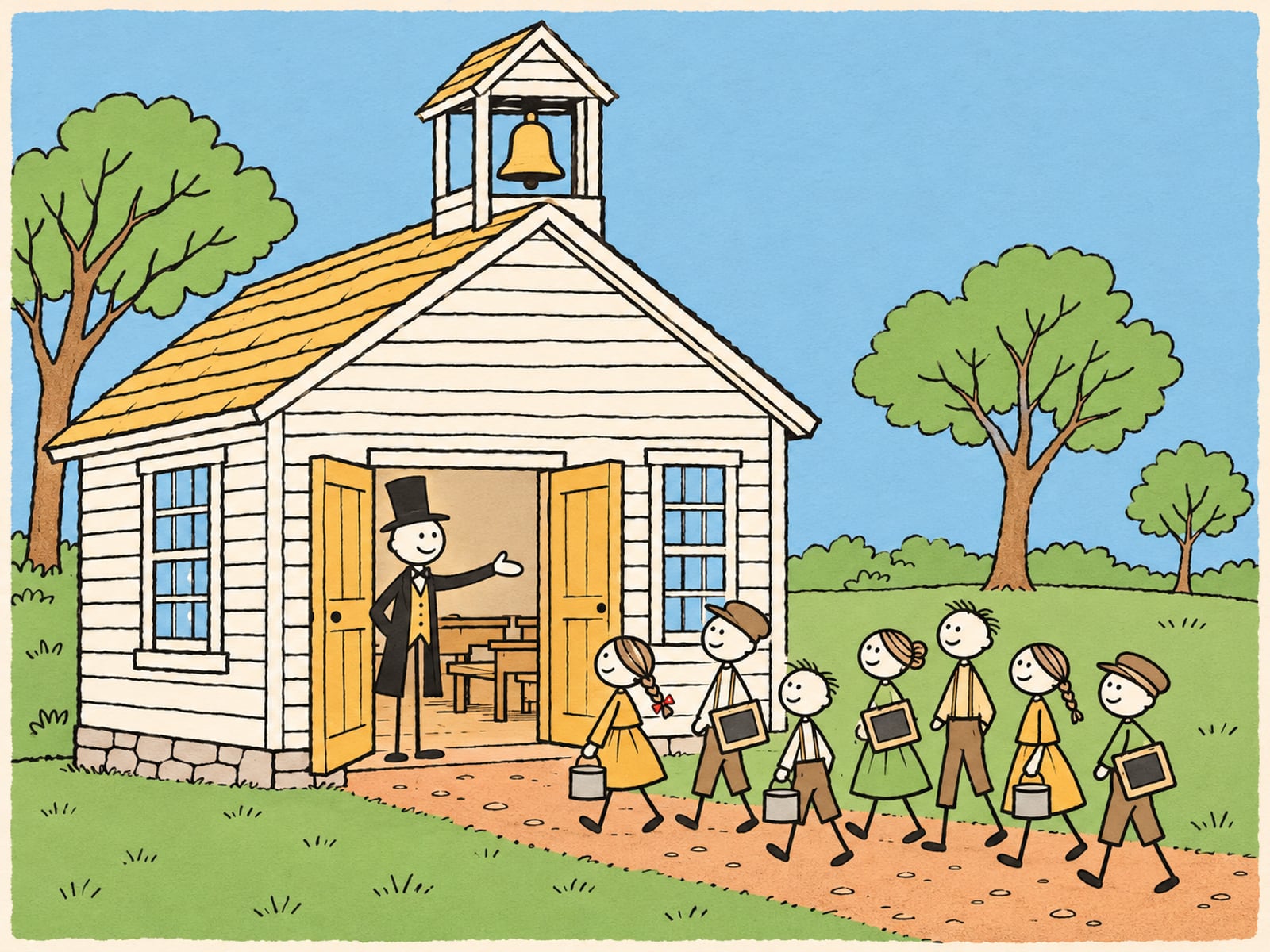
Horace Mann did not invent school either. He was a Massachusetts lawyer, legislator and education reformer.
In 1837, Massachusetts created its Board of Education and named Mann its first secretary. He held the post until 1848. In that time he published twelve annual reports, visited more than 800 schools and backed publicly funded schools open to children from different backgrounds, as the Massachusetts Secretary of State records.
He also helped open teacher-training normal schools, starting at Lexington in 1839. And in 1843 he visited schools in Prussia, so the story loops back to Frederick's kingdom.
Mann became the best-known American voice of the common-school movement. The Library of Congress holds a record of the Massachusetts system of common schools he helped shape. But schools existed before him, and so did public education.
4. Homework grew with schooling
Who invented homework? Homework has no single inventor.
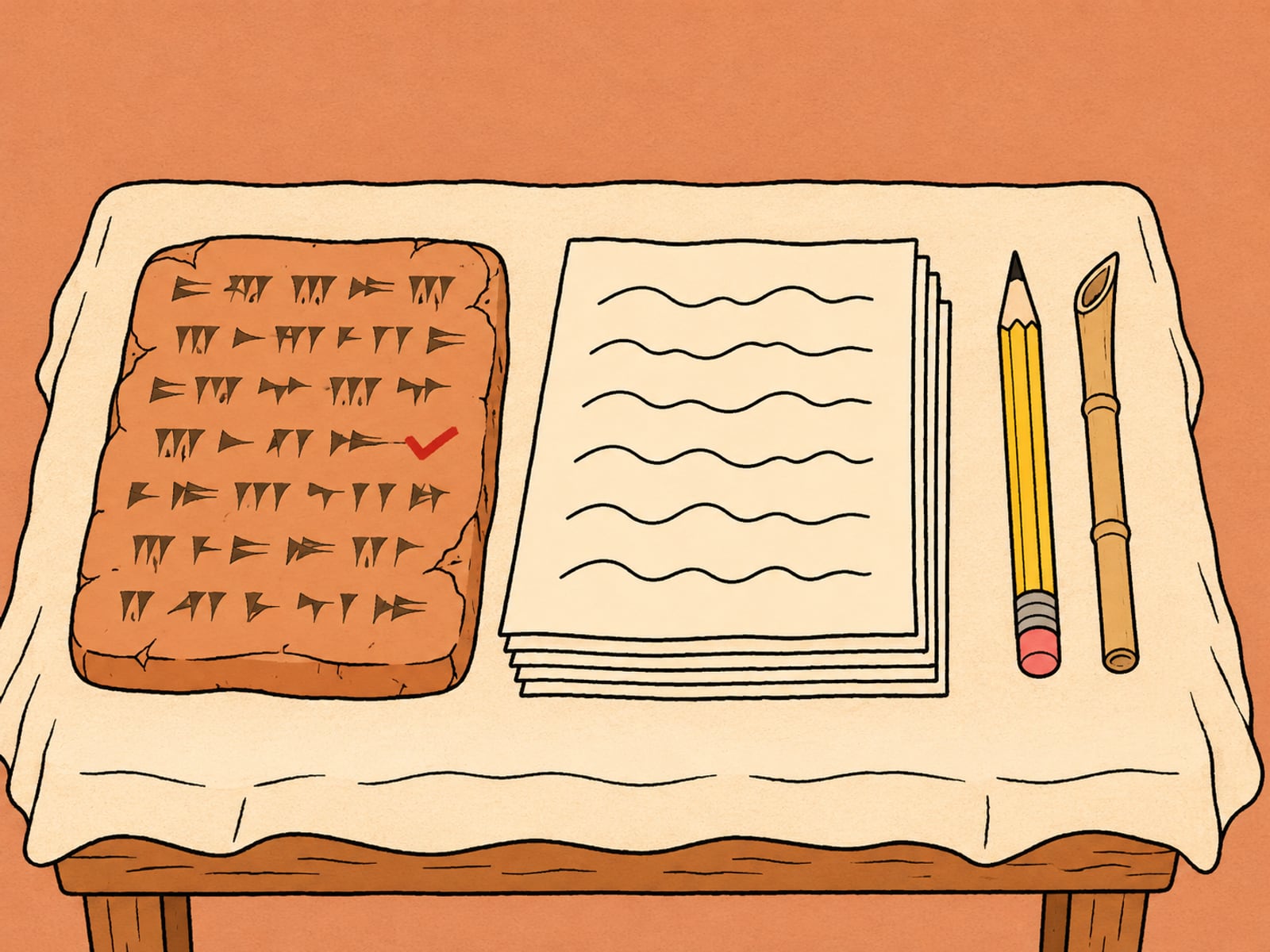
Homework developed bit by bit as school systems grew. Those Mesopotamian tablets already show homework-like practice: students copied signs, memorized vocabulary and got corrections from teachers. In other words, the red pen is very old.
A story repeated online, including by Diario Crónica in Ecuador, credits a man named Roberto Nevilis with inventing homework in Venice in 1905. Homework-like assignments were already centuries old by then, so the habit started long before that date.
5. When school became required in the US, Mexico and Spain
Compulsory attendance is not one date. It is a pile of local laws.
United States. States adopted attendance laws one at a time. Massachusetts passed the first in 1852 and Mississippi the last in 1918. A 1919 report from the U.S. Bureau of Education said all 48 states had laws requiring attendance for at least part of the school year, according to its Review of Educational Legislation. It was never one federal law, and ages and exemptions differed by state.
Mexico. It depends which level you mean. Benito Juárez's government promulgated the Law of Public Instruction on December 2, 1867, making primary education free and compulsory in the Federal District and the territories it covered, according to Mexico's Secretaría de Educación Pública. The 1917 Constitution then set free, secular and compulsory state education as a national principle.
Spain. The 1990 LOGSE law defined ten years of compulsory, free basic education, from age six to sixteen, as published in Spain's official gazette.
The record
| Date | What happened | Source |
|---|---|---|
| About 3600 to 3500 BCE | Sumerian writing appears | World History Encyclopedia |
| About 2500 BCE | Organized scribal schools exist, some tied to temples and royal institutions | Conference paper on Sumerian scribal schools |
| August 1763 | Frederick the Great issues Prussia's General School Regulations | German History in Documents and Images |
| 1837 | Massachusetts creates its Board of Education and names Horace Mann first secretary | Massachusetts Secretary of State |
| 1852 | Massachusetts passes the first U.S. state attendance law | U.S. Bureau of Education |
| 2 December 1867 | Mexico's Law of Public Instruction makes primary school free and compulsory in the Federal District and its territories | Secretaría de Educación Pública |
| 1917 | Mexico's Constitution sets free, secular and compulsory state education as a national principle | Secretaría de Educación Pública |
| 1918 | Mississippi passes the last U.S. state attendance law | U.S. Bureau of Education |
| 1990 | Spain's LOGSE defines ten years of compulsory, free basic education | Boletín Oficial del Estado |
Questions people ask
A few follow-ups tend to come right after the main question.
Who invented homework? 01
Homework has no single inventor. It grew as schools grew, and Mesopotamian clay tablets already show students practicing signs and getting corrections.
Why is school compulsory? 02
The answer turns on state education laws, literacy, citizenship and child labor rules. Prussia's 1763 decree, for example, told masters not to pull working children out of school before they could read and write.
Why does school start at a certain age? 03
Child-development ideas, legal age limits and labor laws all play a part. Prussia's decree began at about age five, while Spain's current basic education starts at six.
Why do students get homework? 04
Teachers use it for practice, memorization, preparation and to extend learning beyond class time.
School was built in stages
The ages and rules that decide when a child starts school still differ by state and country, as the laws above show. A child in Massachusetts in 1852, a child in Mexico City in 1867 and a child in Spain today each met a different rule.
That is what you get when school is built over thousands of years by many hands. School was built in stages, from clay tablets to state laws, and no one person started it.
Sources

- Las escuelas de escribas sumerias, academic conference paper
- World History Encyclopedia, "Educación en Mesopotamia"
- German History in Documents and Images, Frederick the Great's Compulsory Education Decree, 1763
- Massachusetts Secretary of State, "Horace Mann"
- Library of Congress, "The Massachusetts system of common schools"
- Diario Crónica, "¿Deberían prohibir las tareas del colegio?"
- U.S. Bureau of Education, "Review of Educational Legislation, 1917 and 1918"
- Secretaría de Educación Pública, "La restauración de la República"
- Boletín Oficial del Estado, "Ley Orgánica 1/1990, LOGSE"