Where Does Valentine's Day Come From?
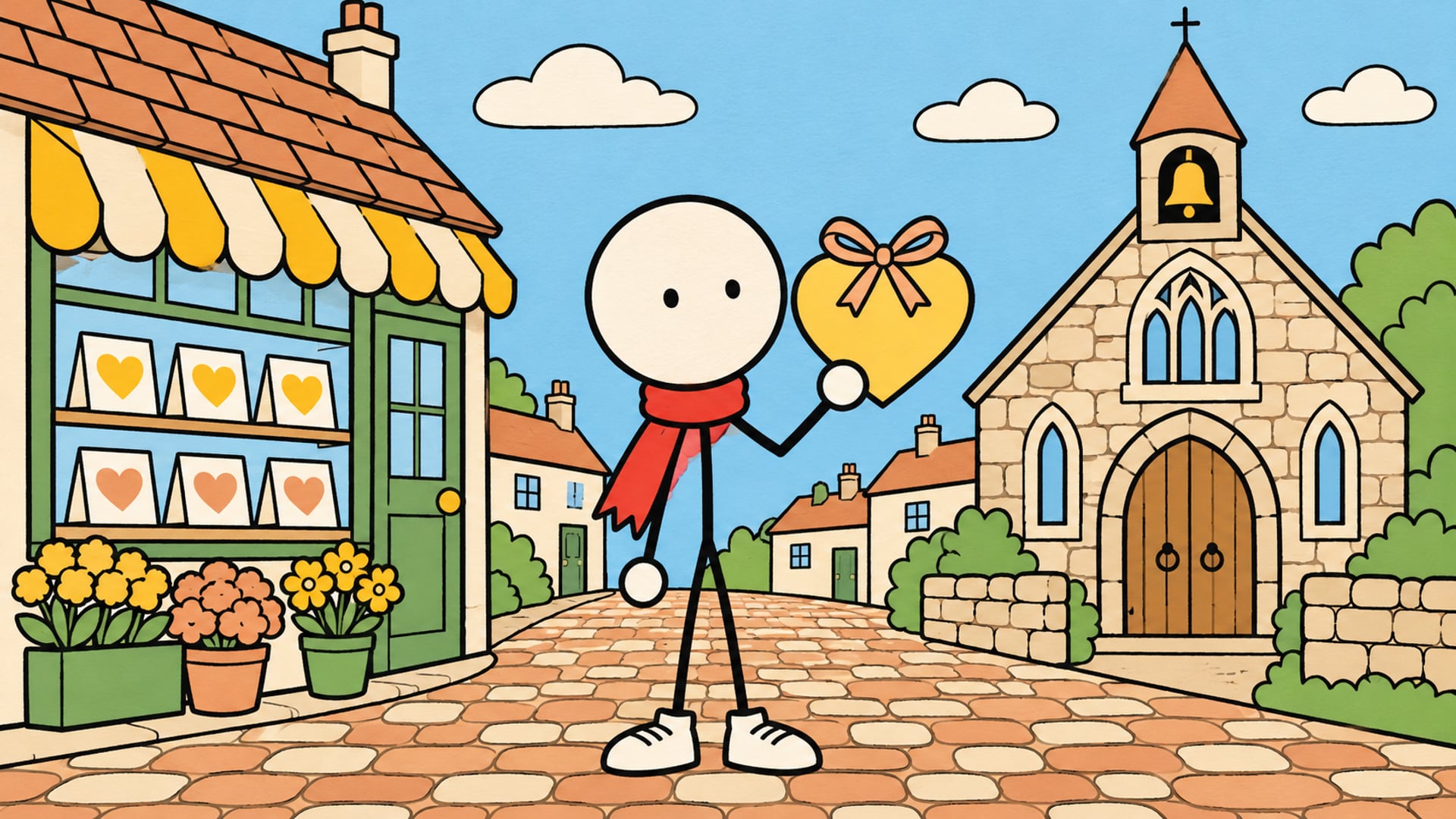
Valentine's Day is the feast day of Saint Valentine, a third-century martyr who is thinly recorded and may be two men or one. Its romantic meaning arrived in medieval poetry, and printed cards became a business in the 1840s. The Lupercalia connection is debated, not confirmed.

In this explainer +
Every February, a saint's name gets printed on card shop shelves, and nearly everyone buys one without asking who he was.
That saint is Valentine. Ask for his biography, though, and the record goes quiet.
February 14 is the Christian feast of Saint Valentine, and his identity rests on sparse accounts of two third-century martyrs, one a priest tied to Rome and one a bishop tied to Terni, Italy. The romance came much later, in medieval poetry. The link to an ancient Roman festival called Lupercalia is a debated theory, not a proven origin.
Here is how the day got built, one short answer at a time.
1. Who the saint was
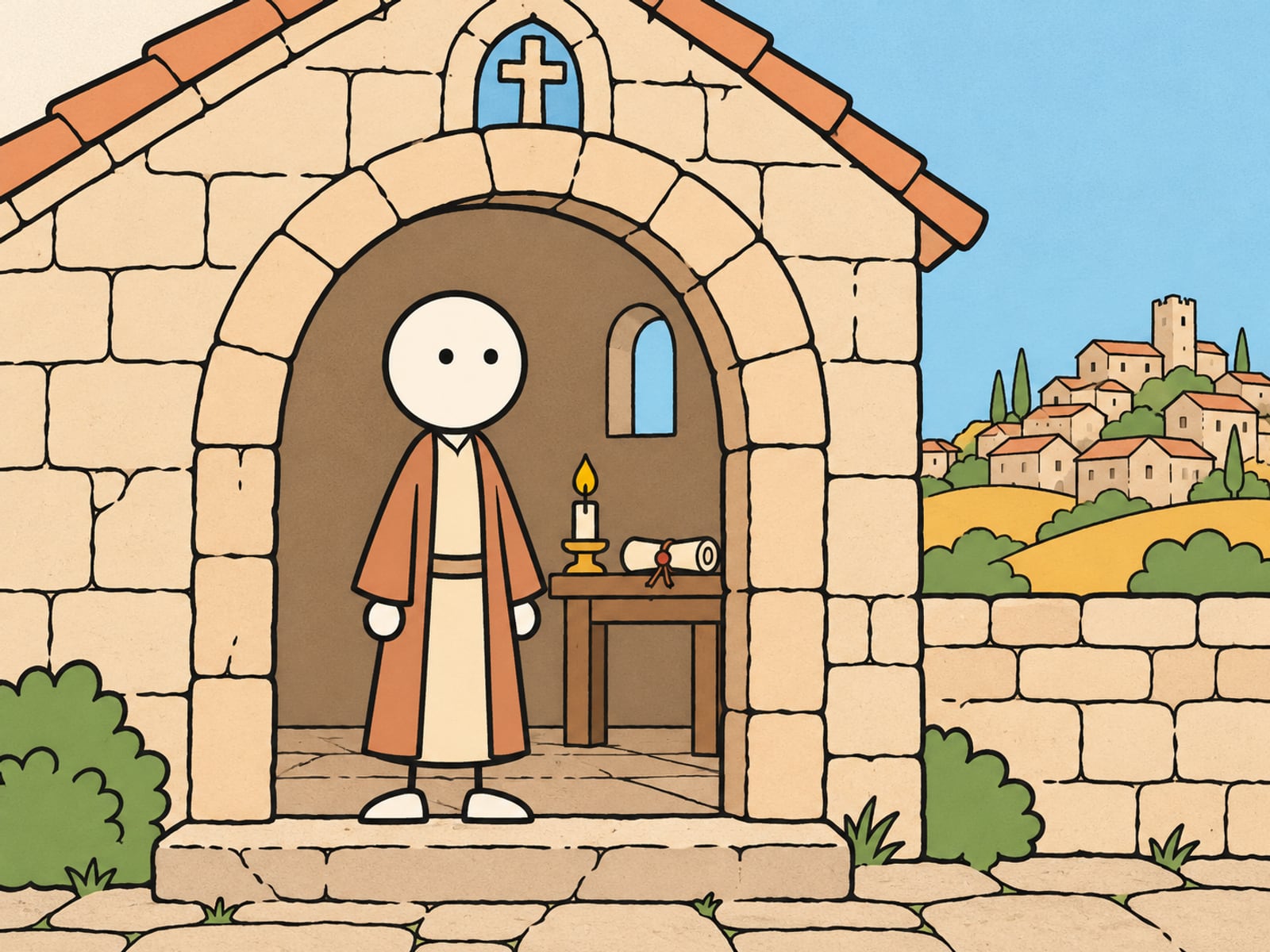
The Vatican News entry for February 14 lists two traditions. One Valentine was a priest in Rome, reportedly executed on the Via Flaminia under Emperor Claudius II, probably around 269 or 270. The other was a bishop of Terni, said to have been martyred after imprisonment.
The United States Conference of Catholic Bishops puts it plainly: the modern saint's identity rests on sparse accounts of two martyrs, one a priest and one a bishop. Some church historians think the two may be one person, remembered through two local traditions.
Where are the secret weddings, then? The tales that Valentine married young couples in secret, healed a jailer's blind daughter, or signed a farewell note "Your Valentine" belong to later legend and devotion. They are good stories. They are not documented biography.
In other words, the saint is real enough to have a feast day and thin enough that the details were filled in by later storytellers.
2. The Roman festival next door
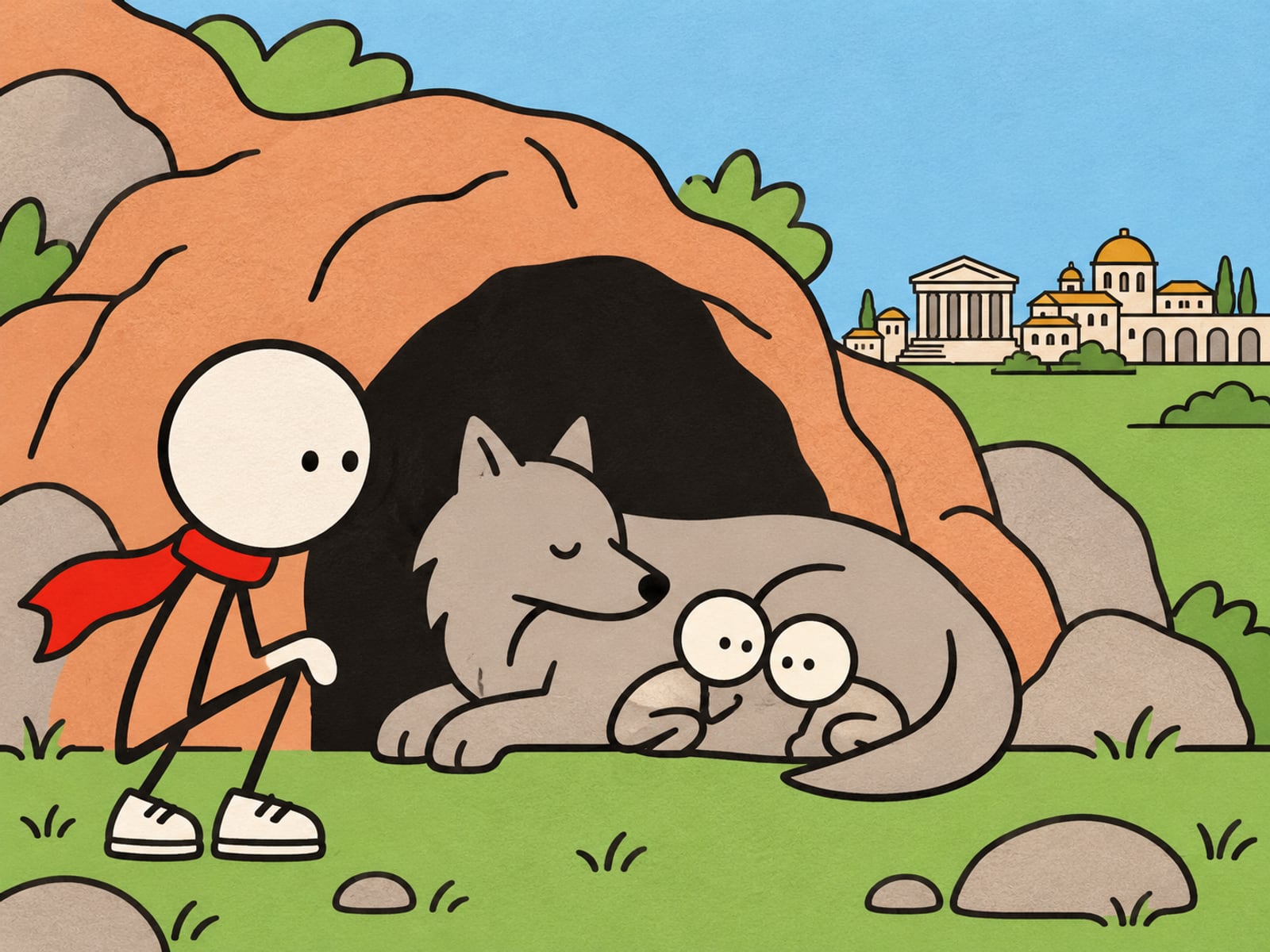
Lupercalia fell on February 15, one day after the saint's feast. It was held near the Lupercal cave on the Palatine Hill, the legendary place where a she-wolf nursed Romulus and Remus.
According to History.com, young men connected to the festival ran through Rome in goatskins and struck people, especially women, with strips of goat hide. Ancient accounts tie the ritual to fertility, purification and the founding stories of Rome.
It's tempting to draw a straight line from there to a box of chocolates. A popular version says Pope Gelasius I replaced Lupercalia with Valentine's Day. Surviving evidence does not establish that. Historians cited by History.com, including Clifford Ando of the University of Chicago and Krešimir Vuković of Charles University, say the two festivals sitting one day apart does not prove a direct link.
So, Lupercalia is a neighbor on the calendar and a debated theory. The first clear link between February 14 and romance shows up much later, in poetry.
3. How the day turned romantic, then printed
The poet is Geoffrey Chaucer. His Parlement of Fowles, dated to the 1380s and often given as about 1382, is the first clear literary link between Saint Valentine's Day and romance. In it, the birds gather on the day "when every bird comes there to choose his mate," in the usual modern-English rendering of his line.
Then comes a prison cell. The oldest surviving valentine commonly identified is a poem Charles, Duke of Orléans, wrote to his wife in 1415, while held in the Tower of London after the Battle of Agincourt. The British Library catalogue notes that authorship of some English poems in that manuscript has been questioned, so the poem comes with a qualification attached.
Cards were the last piece. Handmade valentine messages existed by the late seventeenth century, and commercial card production began in England in the early nineteenth century, according to the Library of Congress.
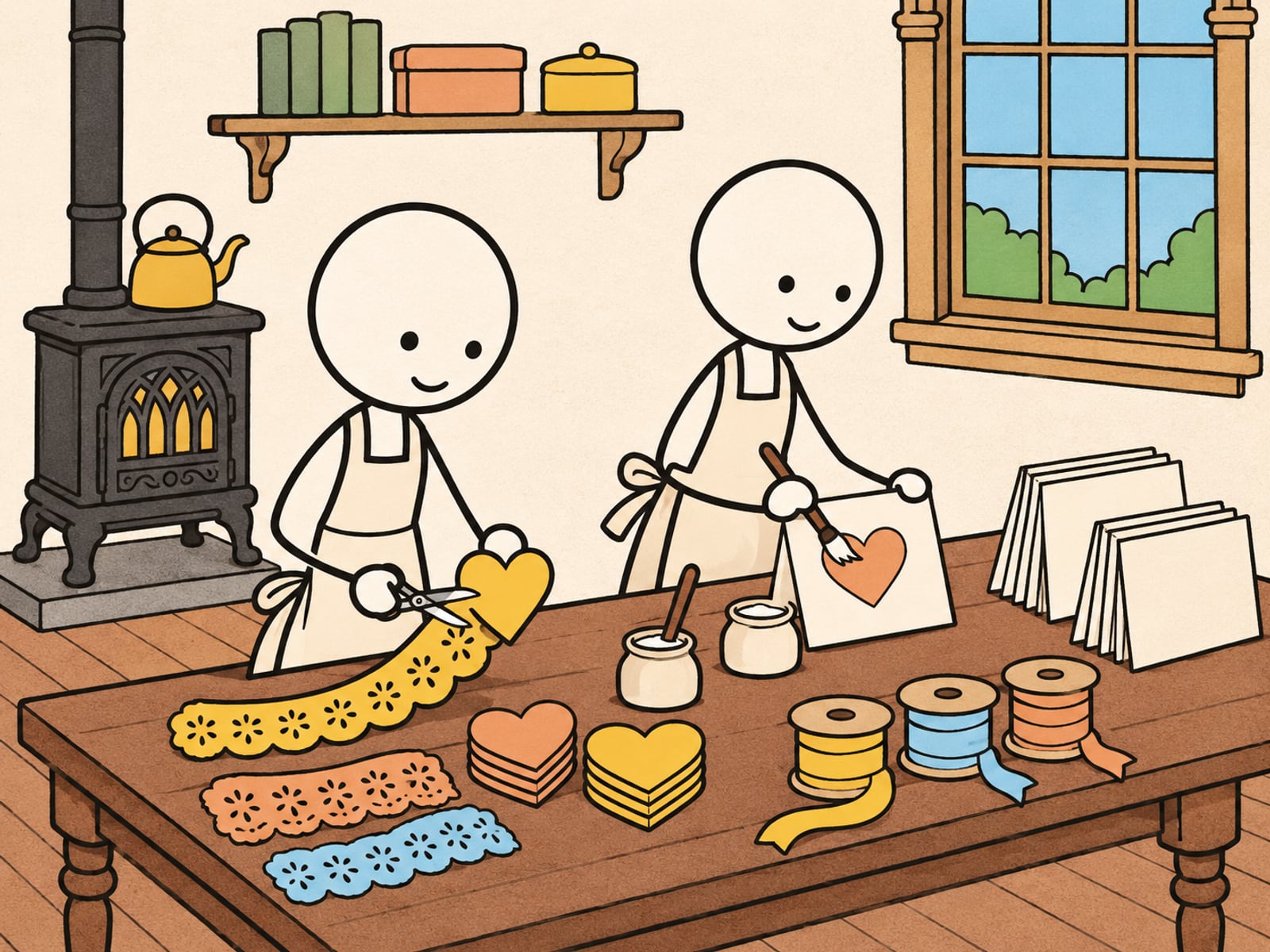
In the United States, the name to know is Esther Howland of Worcester, Massachusetts. She received her first English valentine in 1847, designed a dozen samples, and sent them out with her brother Allen on a sales trip. He came back with about $5,000 in orders. By 1849 she had a workshop in her family home, with friends each handling one task, such as cutting out images, preparing backgrounds or adding decorations. Her first advertisement ran in the Worcester Daily Spy in February 1850.
Her cards used lace paper, ribbons, silk, satin, illustrations and hidden doors, and some sold for as much as one dollar. The Library of Congress describes her as the first American to commercially distribute English-style hand-decorated valentines, and it adds that valentine cards already existed in the United States before her business began.
4. February 14 in Mexico and Spain
In Mexico, the day is commonly called Día del Amor y la Amistad, the Day of Love and Friendship. Mexico's Lotería Nacional describes it as a day for couples, friends and family, with messages, flowers, cards and small gifts.
In Spain, it is San Valentín or Día de los Enamorados, the Day of the Lovers. RTVE, the Spanish public broadcaster, links it with declarations of love, hearts, red decorations, flowers and Cupid.
Some places keep a different date altogether. In Valencia, Sant Donís on October 9 is a local lovers' day, with the mocadorà, a gift of marzipan sweets wrapped in a scarf.
Bogotá moved the whole thing to September. The city celebrates Día del Amor y la Amistad on the third Saturday of that month, and the city government says merchants promoted the change in the 1960s.
The record
| Date | What happened | Source |
|---|---|---|
| About 269 or 270 | A Roman priest named Valentine is reportedly executed on the Via Flaminia under Claudius II | Vatican News |
| 1380s, often given as about 1382 | Chaucer's Parlement of Fowles links Saint Valentine's Day with birds choosing mates | History.com |
| 1415 | Charles, Duke of Orléans, writes a poem to his wife from the Tower of London | British Library |
| 1847 | Esther Howland receives her first English valentine | Library of Congress |
| 1849 | Howland runs a card workshop in her family home | Library of Congress |
| February 1850 | Howland's first advertisement appears in the Worcester Daily Spy | Library of Congress |
| 1960s | Bogotá merchants promote moving the day of love and friendship to September | Portal Bogotá |
Questions people ask
Who was Saint Valentine? 01
There were at least two third-century martyrs named Valentine: a priest connected with Rome and a bishop connected with Terni. The record about them is thin. Some church historians think one person may be behind both traditions.
Is Valentine's Day connected to Lupercalia? 02
It is a debated theory, not the confirmed origin. Lupercalia was held February 15, one day after the saint's feast, but historians cited by History.com say that closeness does not prove a direct link. Surviving evidence does not establish that a pope replaced one festival with the other.
Why is Valentine's Day on February 14? 03
February 14 is the Christian feast date of Saint Valentine. Romantic ideas attached to the date later, in medieval writing such as Chaucer's poem. Any link to Lupercalia on February 15 remains disputed.
Why do people exchange Valentine cards? 04
Love messages go back to the Middle Ages, and Charles of Orléans's 1415 poem is the oldest surviving valentine commonly identified. Printing then turned the habit into a business in the nineteenth century, and Esther Howland's workshop in Worcester was part of that story.
The cards are the newest part
The next time a card shop sets out its February display, here is what is behind the name. A saint who is thinly recorded. A poet who put birds on his day. A prisoner with a poem, and a Massachusetts workshop that sold lace and ribbon.
That's it. None of it is as tidy as the legend, and most of it is more interesting.
The saint is thinly recorded, the romance came later, and the cards became a business in the 1840s.
Sources

- Vatican News, "St. Valentin, martyr on the Via Flaminia"
- United States Conference of Catholic Bishops, "Valentine, Third Century"
- History.com, "The Dark Truth Behind Valentine's Day and Lupercalia"
- History.com, "History of Valentine's Day"
- British Library, Harley MS 682 catalogue
- Library of Congress, "Esther Howland and the Business of Love"
- Library of Congress, "Crafting Collections: Sweet Ideas for Valentine's Day"
- Lotería Nacional de México, Día del Amor y la Amistad
- RTVE, "San Valentín, día de los enamorados"
- RTVE, "Sant Donís, día de los enamorados valencianos"
- Portal Bogotá, "Por qué se celebra en Bogotá el Día de Amor y Amistad en septiembre"