The Times Square Ball Drop: Who Started It and Why
The ball drops as a countdown to midnight. The custom began in 1907, when Adolph Ochs of The New York Times wanted a New Year's spectacle at the newspaper's tower, and a lighted ball replaced a fireworks display after a permit was denied. The drop has continued at midnight ever since, apart from 1942 and 1943.

In this explainer +
It's December 31, 1907, and a ball is going up above One Times Square in New York. It's 5 feet across, built of iron and wood, and covered with 100 light bulbs, according to the Times Square Alliance's New Year's Eve history.
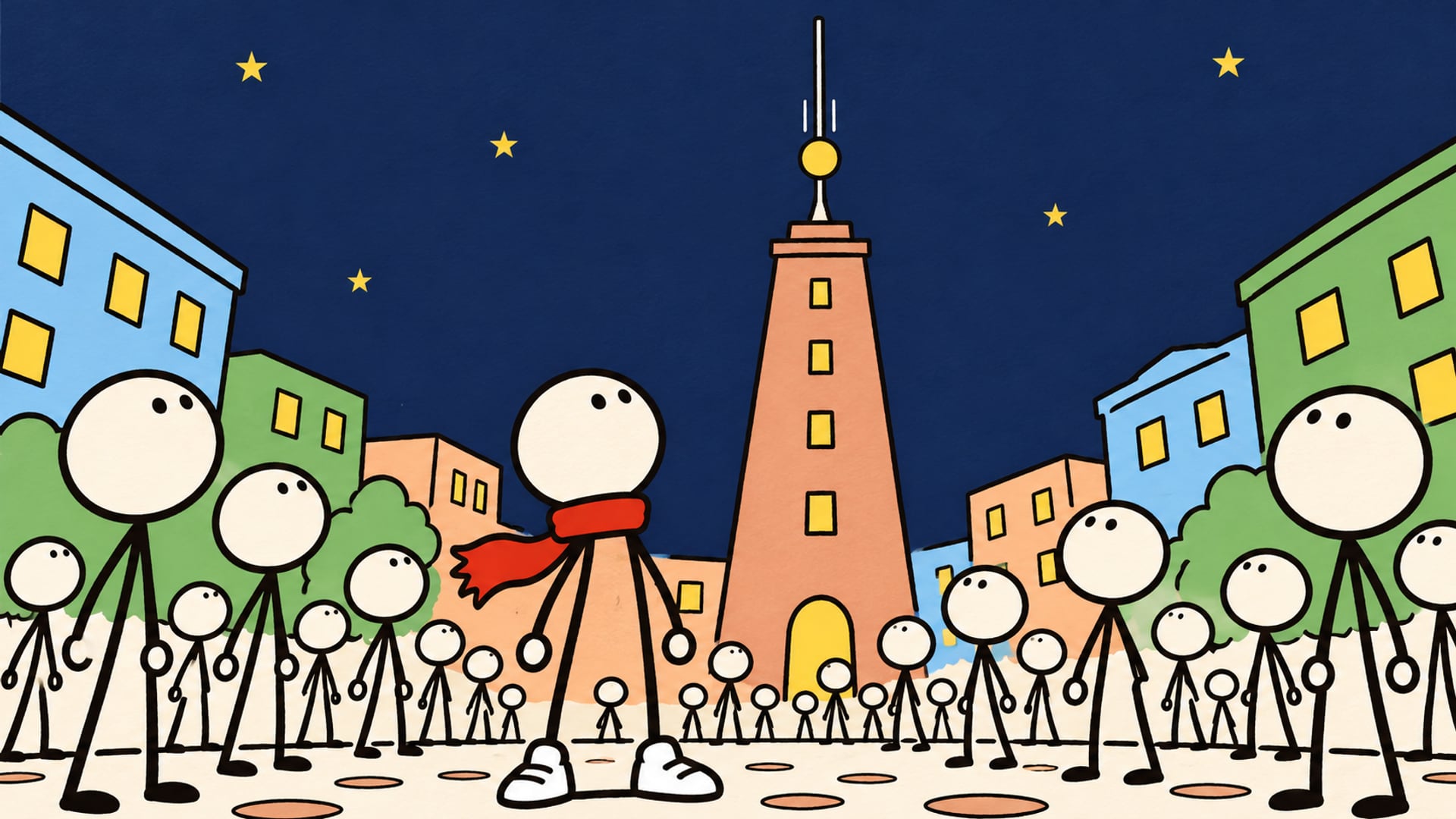
Crowds gather below. At midnight, the ball comes down to welcome 1908.
That's the first Times Square ball drop, and the reason is a little less grand than the tradition it became. Adolph Ochs, the owner and publisher of The New York Times, wanted a spectacle at his paper's new headquarters. A lighted ball took the place of fireworks after a permit was denied.
The details matter here, because the story has more than one step. Let's take them in order.
Before Times Square, there were time balls
Dropping a ball to mark a moment was not a New York invention. It was a ship's tool first.
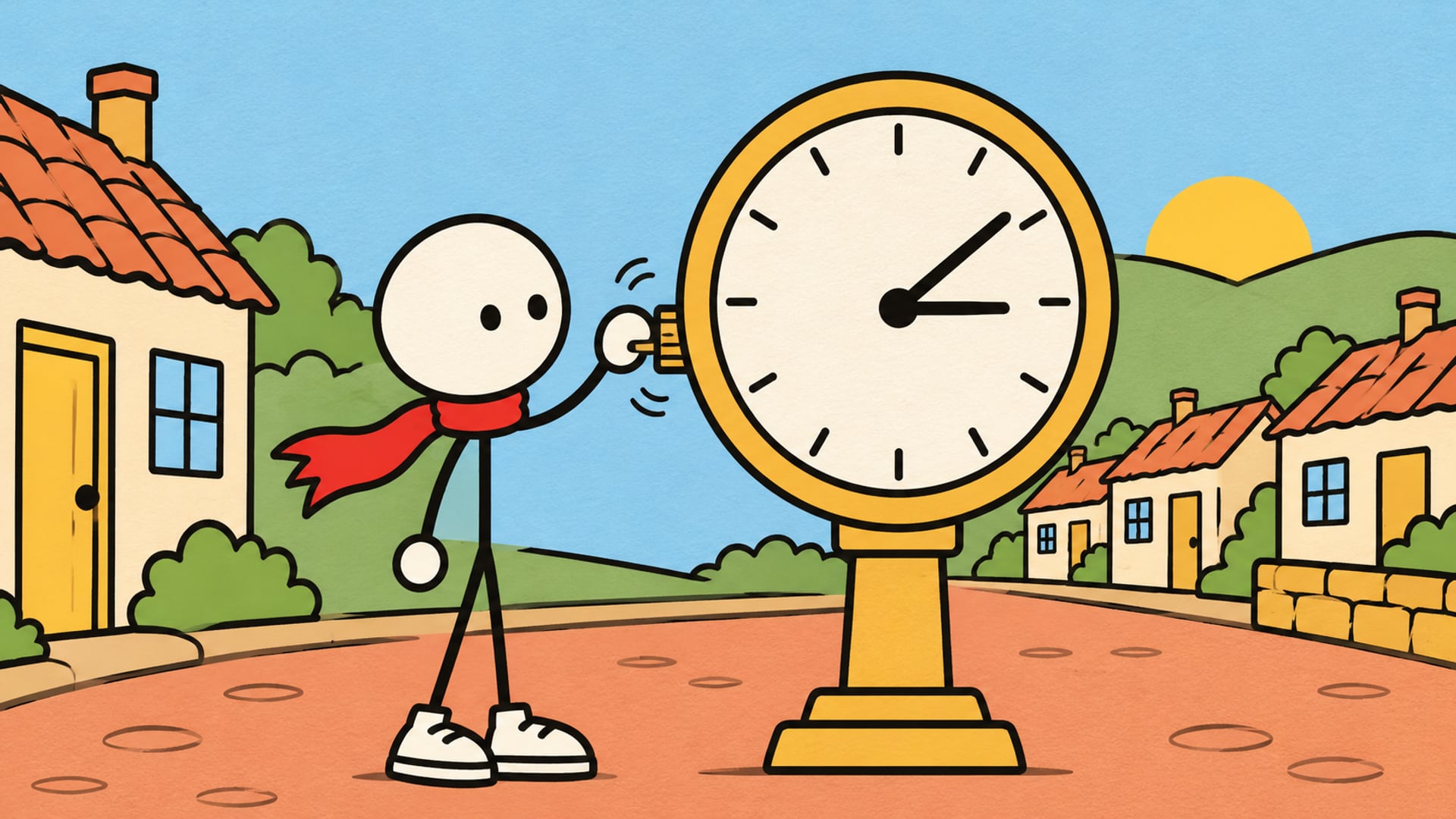
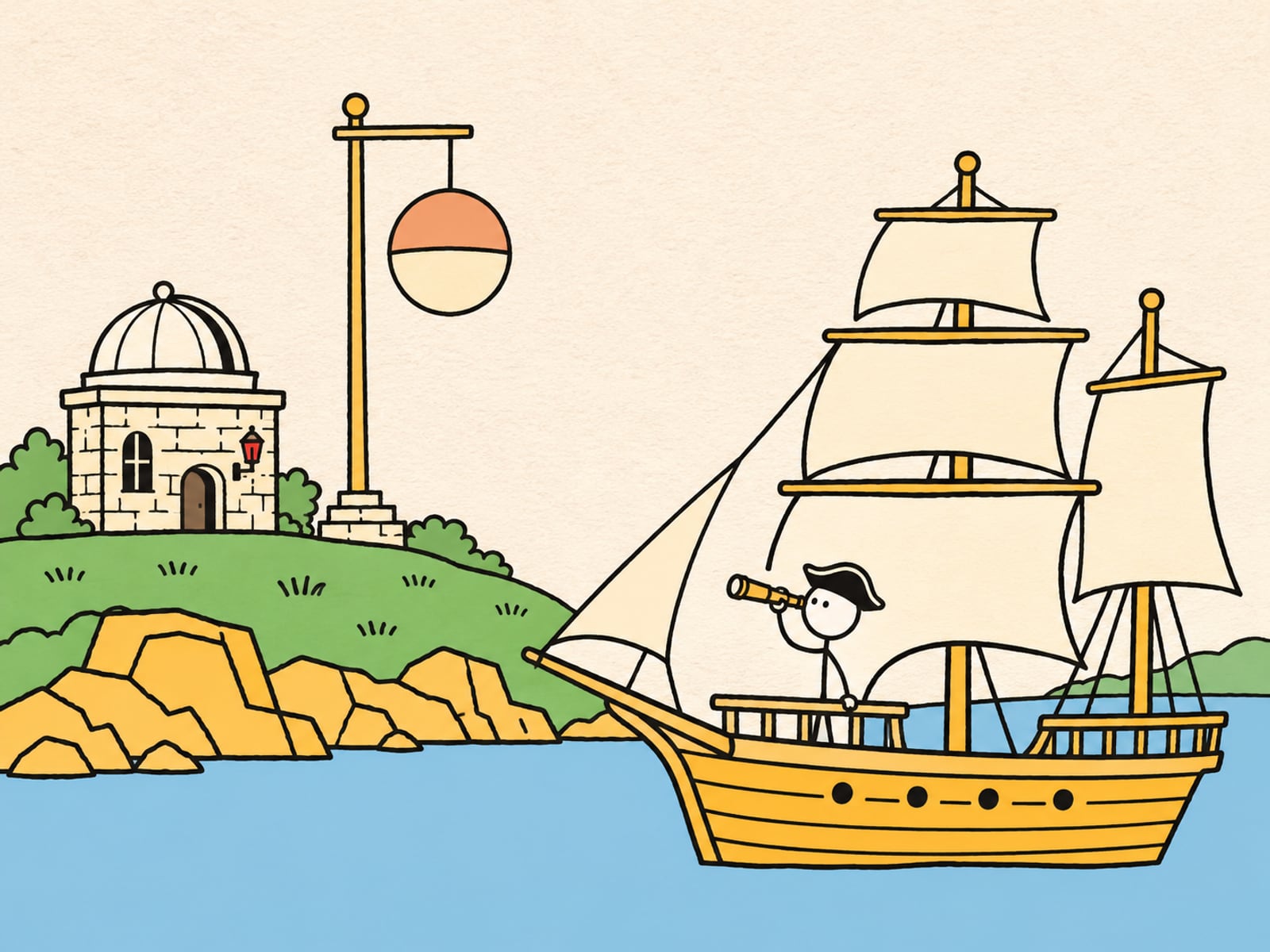
A time ball was a large, visible ball that was raised and then dropped at a precisely known time. Captain Robert Wauchope of the Royal Navy tested the idea at Portsmouth, England, in 1829, according to the South Street Seaport Museum. His design used two balls on a flagpole near the water. A movable ball rose to meet a fixed one, then dropped just before noon.
Ship captains watched for it. When the ball fell, they compared the signal with their marine chronometers, which are the precise clocks ships carried aboard, and corrected them if needed.
In 1833, the Royal Observatory at Greenwich put up its own, under Astronomer Royal John Pond. According to Royal Museums Greenwich, it rose in stages and dropped at exactly 1 p.m., giving ships on the Thames and people nearby a public time signal.
The United States joined in too. The U.S. Naval Observatory offered its first public time service in 1845 by dropping a time ball at noon.
Those balls told people the time. The one in New York would tell them a year was over. Same idea, very different job.
How a newspaper got a square
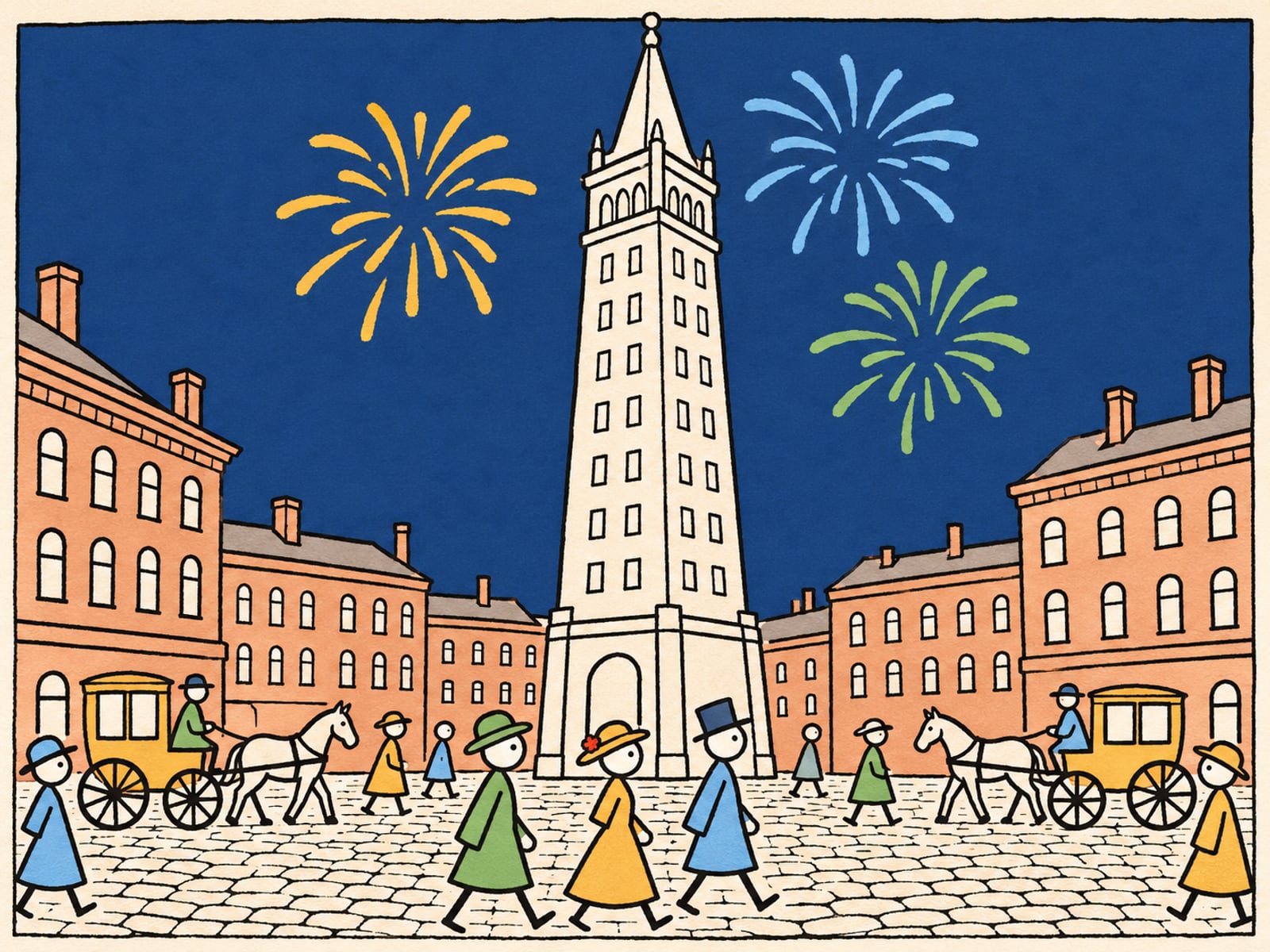
Back to New York. The area used to be called Long Acre Square. In 1904, Mayor George B. McClellan signed a resolution renaming it Times Square, after The New York Times, according to the Times Square Alliance. Ochs had picked the spot for the paper's new headquarters. The newspaper moved into the Times Tower in January 1905.
So, a newspaper owner now had a tall building, a famous corner, and a reason to bring people to it.
Here is where the steps need to stay separate. In 1904, Ochs staged a fireworks display to mark the new building and draw crowds. A later fireworks permit was denied. Only then did Ochs hire Artkraft Strauss, a sign company, to make a lighted ball as a replacement spectacle.
In other words, the ball was Plan B. The fireworks came first.
That also answers the date question. The first New Year's event at the tower was in 1904. The ball arrived in 1907, after the fireworks plan ran into a denied permit.
The first ball
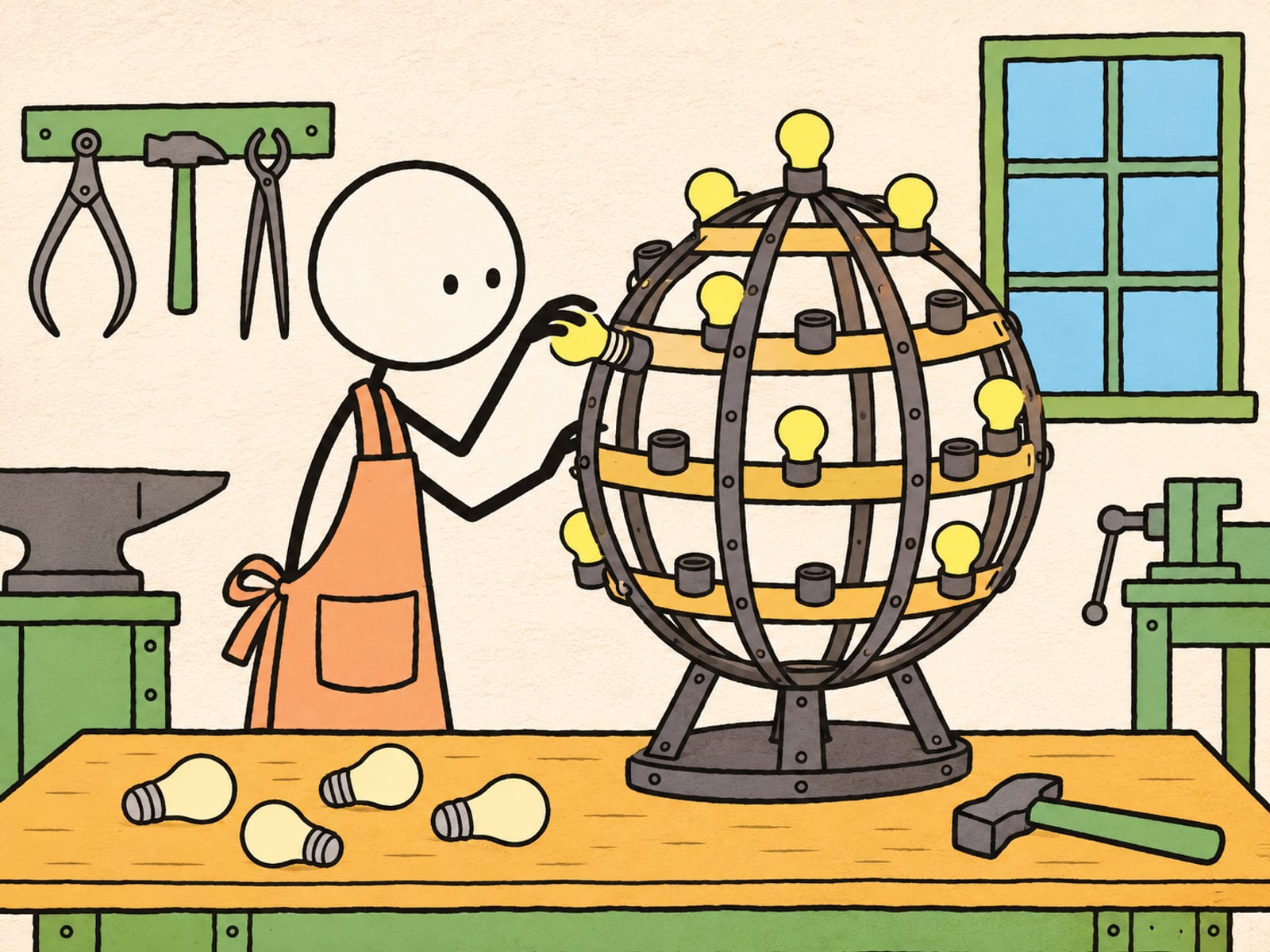
Artkraft Strauss was hired to create it. Jacob Starr, a young immigrant metalworker associated with the sign company, built it. The ball was iron and wood, 5 feet across, 700 pounds, and carried 100 25-watt bulbs.
Who deserves the credit is stated a little differently in different places. The New York Public Library's guide to the Artkraft Strauss records names Benjamin Strauss and Jacob Starr as the people who originated the 1907 ball-lowering tradition. So, the safest way to say it is that it was an Artkraft Strauss project, built by Jacob Starr.
One hundred bulbs of 25 watts each. Hold onto that number, because the ball has not stayed small.
A ball that kept changing
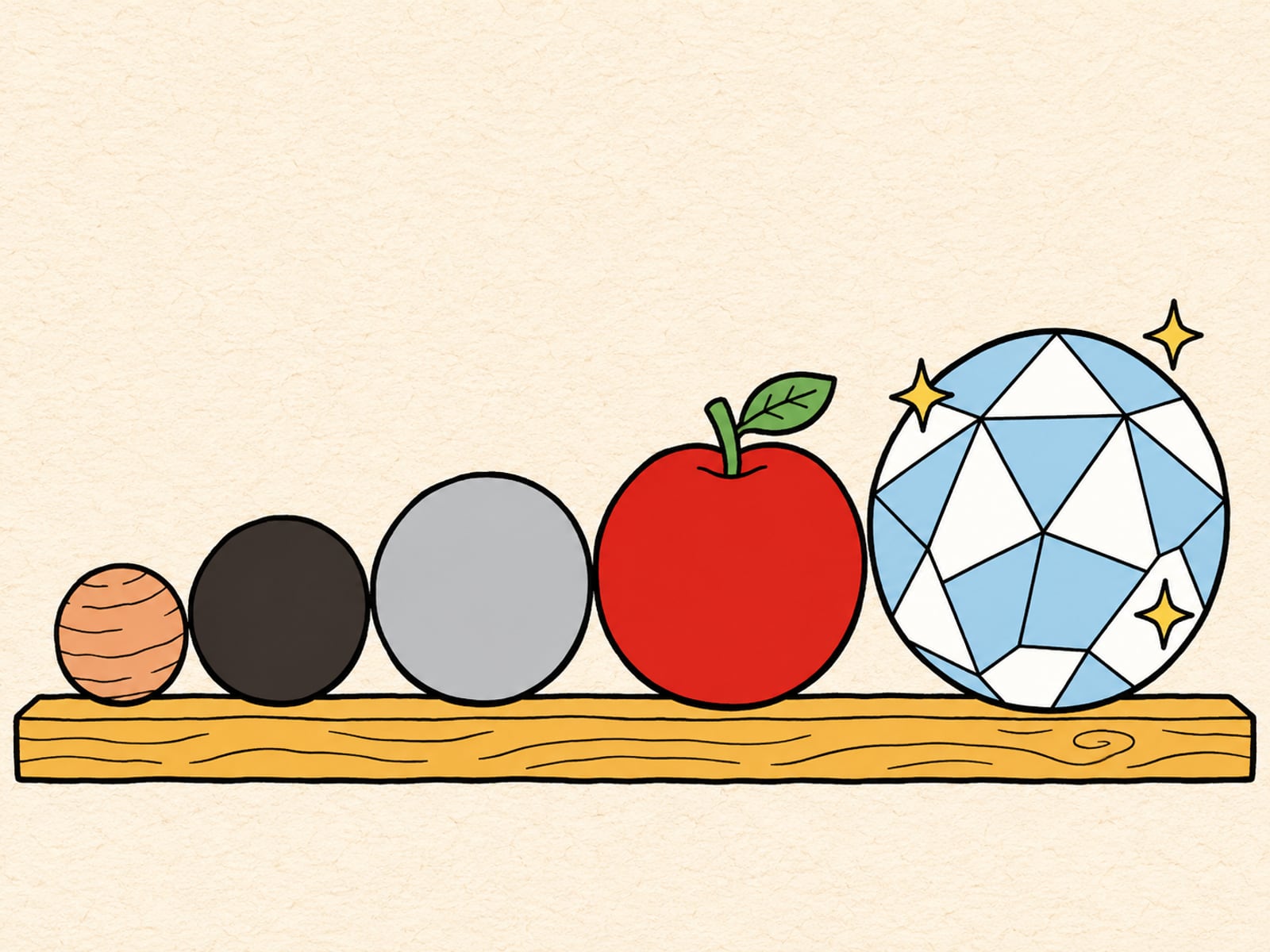
The ball has been remade many times. These are the documented changes from the Times Square Alliance:
- 1907 to 1919: the original iron-and-wood ball.
- 1920: a 400-pound ball made entirely of wrought iron replaced it.
- 1955: an aluminum ball of 150 pounds took over.
- 1981 to 1988: red bulbs and a green stem turned it into an apple, for New York City's "I Love New York" campaign. The white lighted ball returned in 1988.
- 1995 to 1998: it gained an aluminum skin, rhinestones, strobes and computer controls. It was lowered for the final time in 1998.
- 2000: a redesigned crystal ball debuted for the millennium celebration.
- 2007: the Centennial Ball introduced LED lighting in place of incandescent and halogen bulbs.
- 2008 onward: a permanent Big Ball above One Times Square, 12 feet across, used 2,688 crystal triangles.
- 2025 onward: the Constellation Ball, 12.5 feet across and 12,350 pounds, covered with 5,280 circular Waterford crystals. According to the Alliance, it is the ninth ball used as the focal point of the annual drop.
Yes, there was an apple. For seven years, New Year's Eve was welcomed by a fruit.
What happens on the night now
Today the Times Square Alliance, One Times Square and Countdown Entertainment are the co-organizers.
The ball is lit and raised at about 6 p.m. on New Year's Eve. At 11:59 p.m., the Mayor of New York City presses a crystal button and leads the final 60-second countdown. The ball travels 90 feet down in that minute, per the Alliance's live schedule. At midnight, its lights go out and the numerals for the new year light up above One Times Square.
The record
| Date | What happened | Source |
|---|---|---|
| 1829 | Captain Robert Wauchope tests a time ball at Portsmouth, England | South Street Seaport Museum |
| 1833 | The Royal Observatory at Greenwich installs a time ball under John Pond | Royal Museums Greenwich |
| 1845 | The U.S. Naval Observatory offers a noon time ball | U.S. Naval Observatory |
| 1904 | Long Acre Square is renamed Times Square; Ochs stages a fireworks display | Times Square Alliance, history |
| January 1905 | The New York Times moves into the Times Tower | Times Square Alliance, history |
| December 31, 1907 | The first ball descends to welcome 1908 | Times Square Alliance, NYE history |
| 1920 | A 400-pound wrought-iron ball replaces the original | Times Square Alliance, NYE history |
| 1942 and 1943 | No ball drop during wartime dim-outs | Times Square Alliance, NYE history |
| 2025 | The Constellation Ball becomes the ninth ball used for the drop | Times Square Alliance, NYE live |
Questions people ask
Why did the ball start in 1907 instead of 1904? 01
Because 1904 was a fireworks celebration. Ochs staged it to mark the new building and bring crowds to the area. The ball came later, after a fireworks permit was denied and a lighted ball became the replacement spectacle.
Why does the ball come down in one minute? 02
The modern drop is built around a final 60-second countdown. At 11:59 p.m., the Mayor presses a crystal button and leads it, and the ball travels 90 feet down before midnight.
Why did the ball become a crystal ball? 03
It happened in steps. A redesigned crystal ball debuted in 2000 for the millennium. The 2007 Centennial Ball brought LED lighting, and the permanent Big Ball of 2008 used 2,688 crystal triangles. Today's Constellation Ball uses 5,280 Waterford crystals.
Why was there no drop in 1942 and 1943? 04
New York City observed wartime dim-outs during World War II, which reduced visible lighting. Crowds still gathered. They marked the moment with a minute of silence and chimes from sound trucks near One Times Square.
Why do Spain and Mexico use grapes and chimes instead of a ball? 05
They have their own midnight customs. Mexico's Secretaría de Cultura describes eating twelve grapes at midnight, one for each clock chime, as a symbol of abundance. In Madrid's Puerta del Sol, per Spain.info, the midnight chimes mark the twelve grapes, and the ceremony is broadcast across Spain.
The ball that began as a backup
A New York publisher wanted fireworks, was told no, and built something to look at instead. More than a century later, the Mayor leads a countdown for a crystal ball weighing 12,350 pounds.
The drop has happened at midnight since, with the exception of the dark wartime years of 1942 and 1943.
The ball started as a replacement for fireworks.
Sources

- Times Square NYC, "NYE History & Times Square Ball"
- Times Square NYC, "History of Times Square"
- Times Square NYC, "NYE Live Schedule"
- Times Square NYC, "Official Times Square New Year's Eve Event Lineup Announced"
- South Street Seaport Museum, "Time Balls"
- Royal Museums Greenwich, "The Greenwich Time Ball"
- U.S. Naval Observatory, "What is a Leap Second?"
- New York Public Library, "Guide to the Artkraft Strauss Records"
- Secretaría de Cultura, "Cocina mexicana y fiestas populares"
- Spain.info, "Nochevieja en la Puerta del Sol"