Why Are Barns Red?
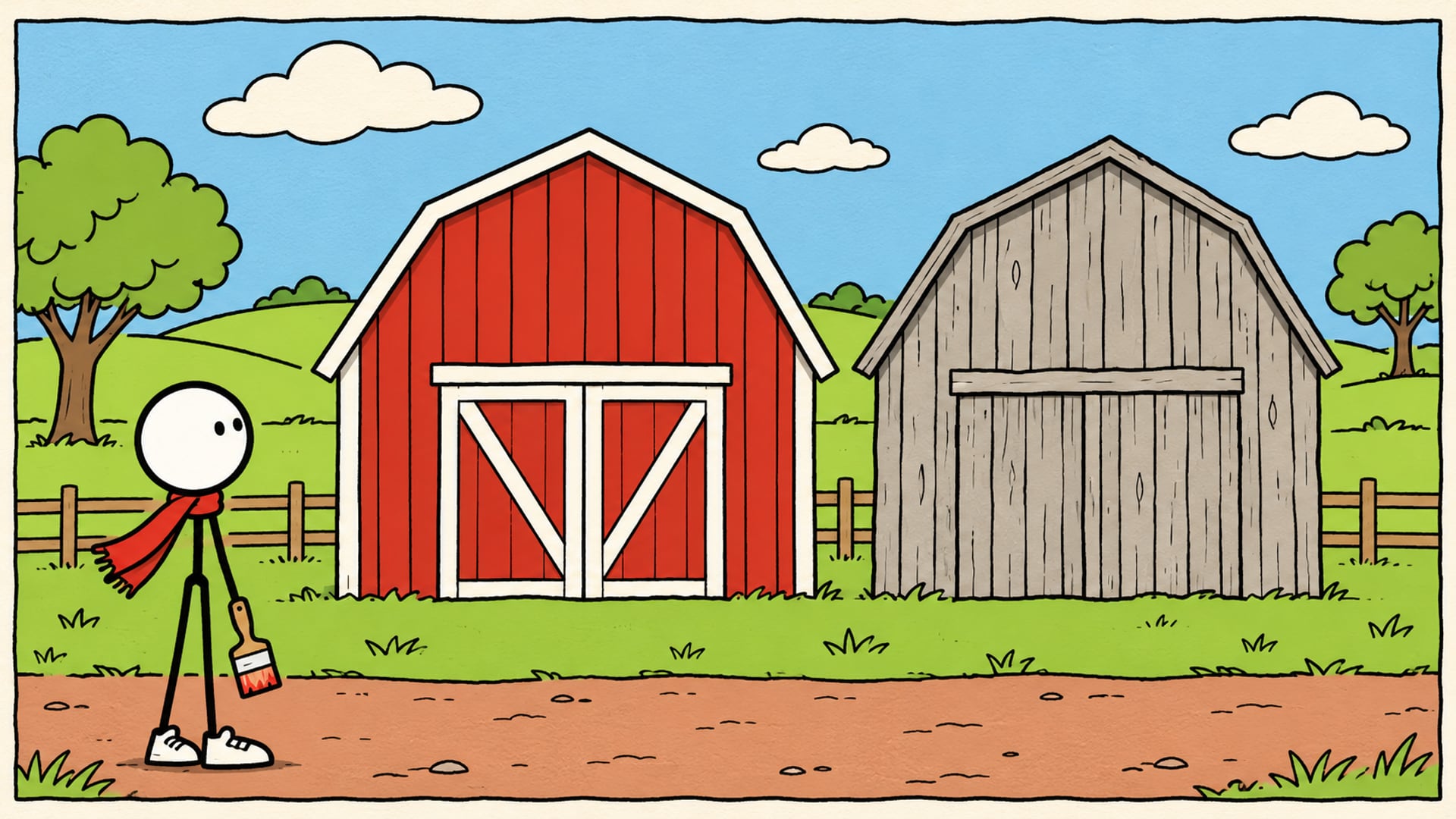
Barns were often painted red because early coatings mixed linseed oil, lime, milk and iron oxide, and the iron oxide is a cheap earth pigment that turns red. The coating protected the wood, and the red was a bonus of the cheapest ingredient. Paint ads, photographs, posters and paintings later turned the red barn into a picture of rural America.

In this explainer +
Say you're driving a county road, and a barn comes up on the right. Now strip the paint off it in your mind, so it's bare, weathered wood instead.
It looks fine, in its way. A little unfinished, maybe. So, why did so many farmers paint theirs red?
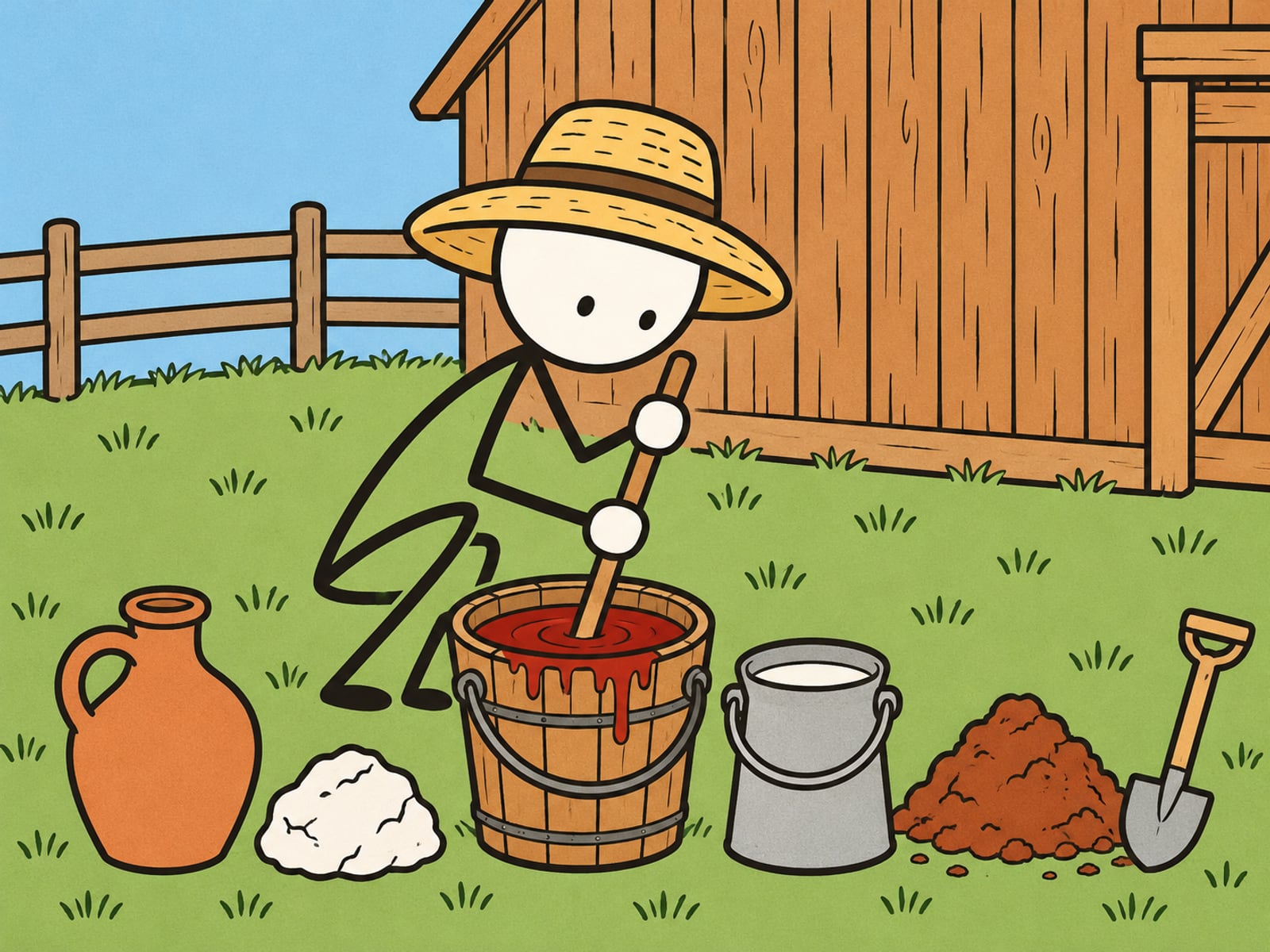
The short answer is that early American barn coatings were often a mix of linseed oil, lime, milk and iron oxide, and the iron oxide gave the red. It was an inexpensive earth pigment that also helped protect the wood, according to a Minnesota state historic context study and the Library of Congress.
So, red started as a practical, cheap coating. It became a symbol later, once pictures got hold of it. Here's the order of events.
What went into the paint, and why red was cheap
The Library of Congress says late-18th-century New England farmers brushed protective varnishes onto their barns. The mixtures used ingredients such as linseed oil, lime or iron oxide. The Minnesota study describes the same kind of mix: linseed oil, lime, milk and iron oxide. Iron oxide is rust, in other words, and it gives a red or red-orange color. The Library of Congress adds that the coating turned a dark orange-red as it weathered in sunlight.
Why iron? Because iron and oxygen compounds are everywhere in the earth. The Minnesota study calls ferrous-oxide earth pigment inexpensive and long-lasting.
Think of it like this: a farmer needs one color for a very large wall and has very little money to spend on it. The cheapest shelf in the paint store is stocked by the ground itself. Red was the color that cost the least.
Store-bought paint came later. The Minnesota study says commercial barn paints were developed around 1850, and that they became widespread in the Midwest in the 1880s. Before the early 1860s, painted barns were rare there.
Sweden did it with copper mine waste
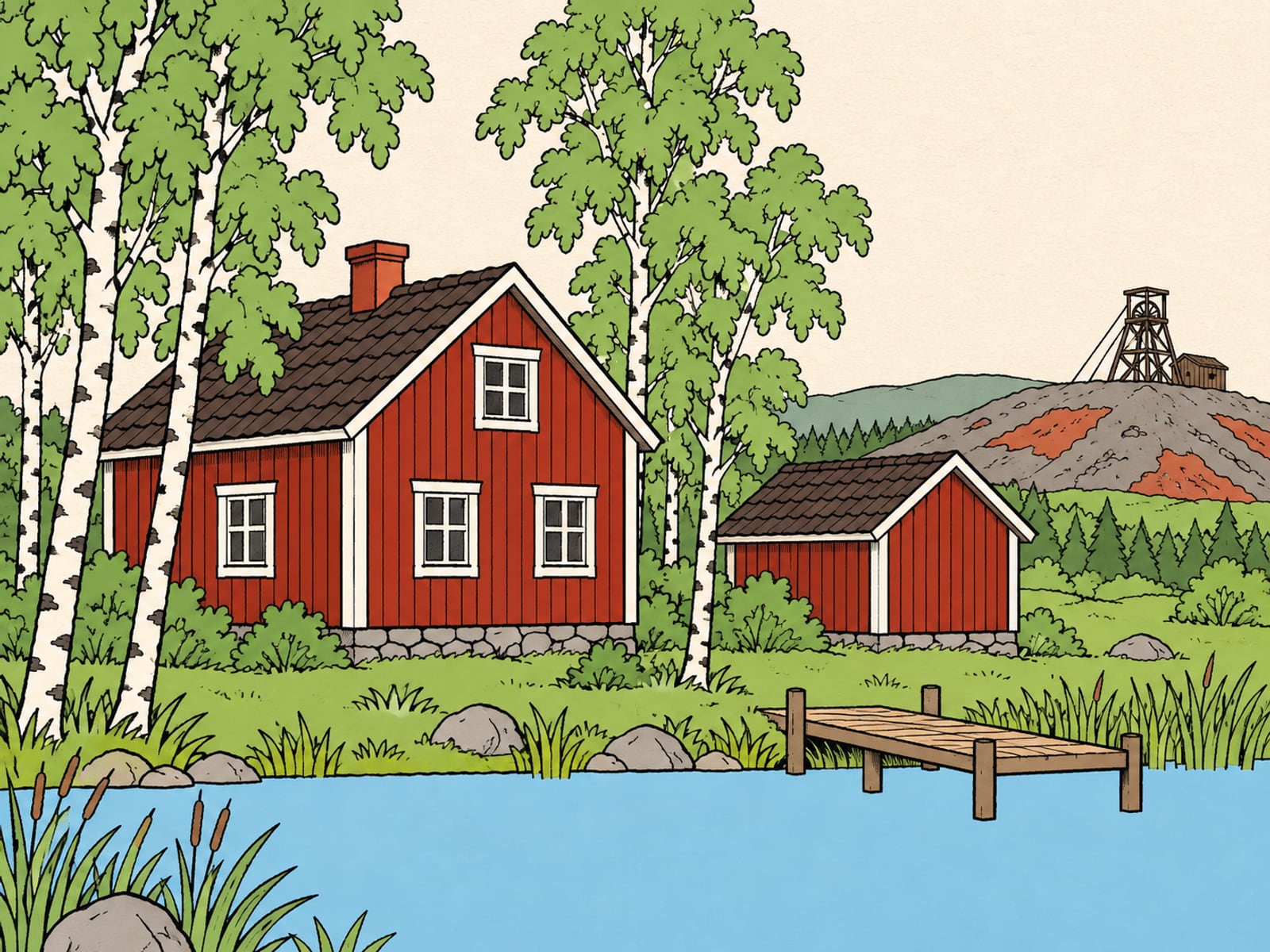
There's a documented parallel in Sweden. Falu red, or Falu Rödfärg, is a traditional Swedish paint, and the paint maker explains where its pigment comes from: waste at the Falun copper mine.
Iron-bearing minerals in that waste break down into yellow or ochre limonite. The limonite is dried and burned, and that makes red iron oxide.
The mine's own page says that in 1573 King Johan III ordered the roofs of the Tre Kronor castle painted with the red earth, which imitated the look of copper. A king's castle, in other words, got it first.
Then the price came down. A City of Falun report says that in the 19th century the paint became affordable to ordinary Swedish households, and many houses and barns were painted red with white trim.
This is a parallel to the American story, not proof that American barns copied Sweden. Two places, one cheap iron pigment.
Three follow-up questions
Three questions come up right after the main answer: whether red really protected the wood, whether red is the barn color everywhere, and how a farm paint turned into a symbol.
1. Did the red paint really protect the wood?
The coating did. The Library of Congress calls the early mixture a protective varnish.
The color is a narrower claim. The Minnesota study records a traditional belief that ferrous oxide protected siding against fungus and moss. It gives that as the traditional explanation, not as a modern controlled test on American barns. The protection came from the whole coating, oil or other binder included, and not from the color red alone.
2. Is red the barn color everywhere?
No single worldwide barn color exists. In Sweden, red barns come from the Falu red tradition above.
In eastern England, Historic England records barns and timber-framed farmhouses that were painted with ruddle, a red coloring material, which produced "Red Barn Farms." Very few of those red barns survive.
In Mexico, the word granero means a place where grain is stored, as the Diccionario del español de México defines it. Troje names some traditional grain stores, and galpón means a large shed, according to the Academia Mexicana de la Lengua. The American red-barn pattern isn't a universal Mexican building tradition.
3. How did a farm paint become a symbol?
Through pictures. In the late 19th and early 20th centuries, red-painted barns showed up in commercial paint, photographs, posters and paintings.
Then came 1930. In Eldon, Iowa, Grant Wood's American Gothic helped fix the red barn in the visual language of American rural life. The barn behind the figures was imaginary. The National Gallery of Art says the image continues to shape how people understand farming and rural communities.
The record
| Date | What happened | Source |
|---|---|---|
| 1573 | King Johan III orders the roofs of Tre Kronor castle painted with red earth from the Falun mine, imitating the look of copper | Falu Gruva, "Falu Rödfärg" |
| Late 18th century | New England farmers brush protective varnishes of linseed oil, lime or iron oxide onto barns | Library of Congress, "A Closer Look: Why Are Barns Red?" |
| Around 1850 | Commercial barn paints are developed | Minnesota Department of Transportation, Historic Context Study of Minnesota Farms |
| Before the early 1860s | Painted barns are rare in the Midwest | Minnesota Department of Transportation, Historic Context Study of Minnesota Farms |
| The 1880s | Red and white commercial barn paints become widespread across the Midwest | Minnesota Department of Transportation, Historic Context Study of Minnesota Farms |
| 19th century | Falu red becomes affordable to ordinary Swedish households; red houses and barns with white trim spread | City of Falun report |
| 1930 | Grant Wood's American Gothic, with an imaginary barn behind the figures, helps fix the red barn in the image of rural America | National Gallery of Art, "Modernist Barns and Modern Farmers" |
Questions people ask
Why are some barns white? 01
Whitewash was inexpensive in Minnesota because it could be made from slaked lime and chalk, the state study says. Whitened dairy barns could signal cleanliness, and white walls reflected light inside dim barns. Regional style played a part too, and Pennsylvania's historical commission has a field guide to painted barn designs.
Why do barns have large doors? 02
The doors had to fit the work. Wagons, hay, grain, livestock and threshing equipment all had to get in and out.
Why are barns often built with steep or gambrel roofs? 03
Hay needed room. A steep or gambrel roof makes loft space above, and the shape also followed the local building system.
Why do barns have cupolas or roof ventilators? 04
They let heat and moisture out. That keeps air moving around stored hay or grain.
The red barn began as a price and became a picture
The red barn is a good example of how a plain choice can outlive its reason. Farmers wanted a coating that protected the wood and didn't cost much, and iron oxide fit both. The red came along with it.
Then the color left the farm. Paint ads, photographs, posters and paintings carried it into the way people think about the countryside, and the barn Grant Wood put behind two figures in 1930 never even existed.
Barns were often painted red because iron-based paint was cheap, and later pictures made the red barn a symbol of rural America.
Sources

- Minnesota Department of Transportation, Historic Context Study of Minnesota Farms
- Library of Congress, "A Closer Look: Why Are Barns Red?"
- Falu Rödfärg, "The Unique Pigment"
- Falu Gruva, "Falu Rödfärg"
- City of Falun report
- National Gallery of Art, "Modernist Barns and Modern Farmers"
- Historic England, "Historic Farmsteads: East of England"
- Diccionario del español de México, "granero"
- Academia Mexicana de la Lengua, "galpón"
- Pennsylvania Historical and Museum Commission, painted designs