Why Do Buildings Skip the 13th Floor?
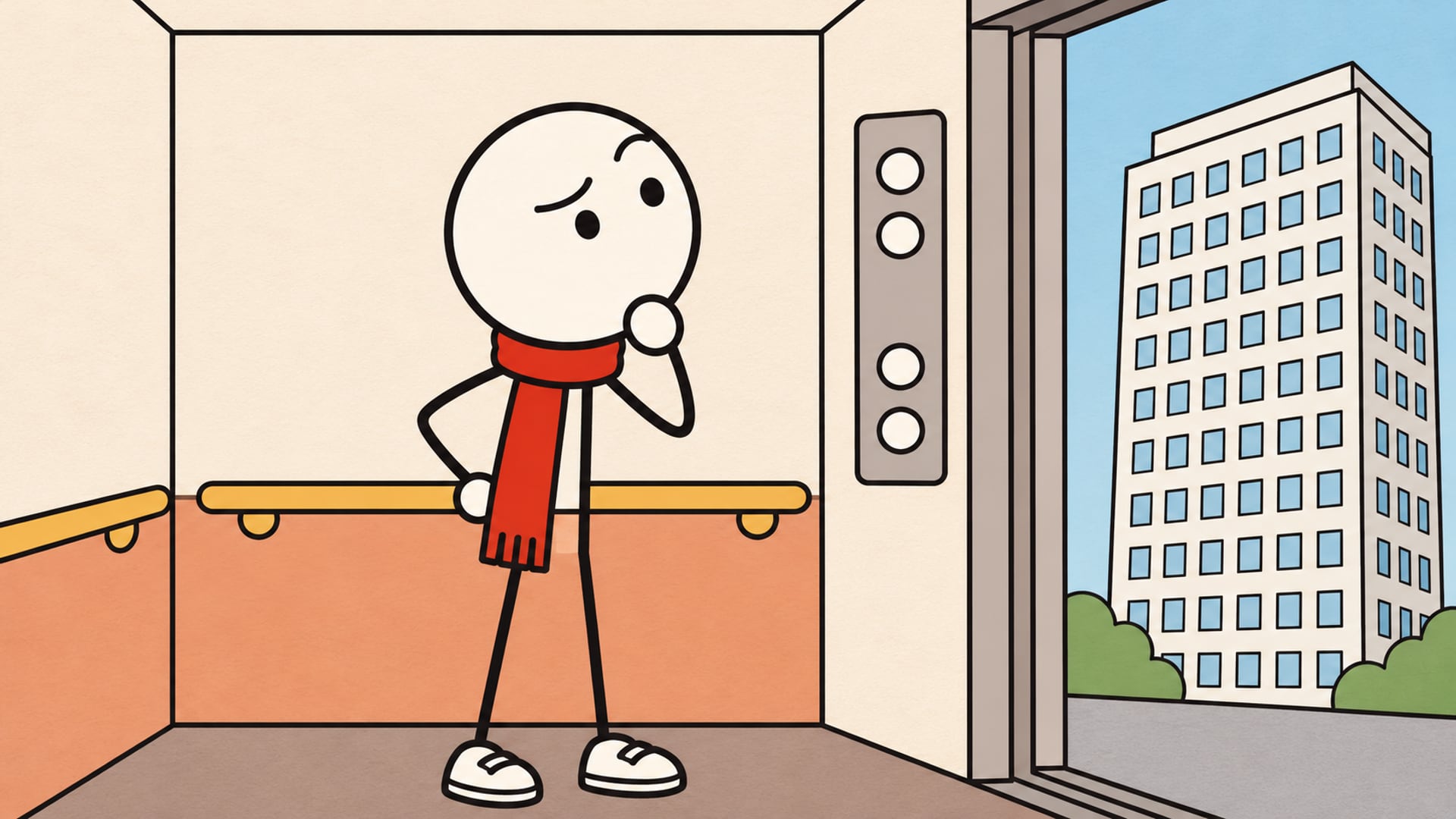
Many buildings skip the number 13 on their elevator buttons because owners expect some people to dislike it. The physical level generally still exists, labeled 14, 12A, M or left off the panel. Cities like New York and Vancouver have rules about this, because mismatched labels can slow down firefighters.

In this explainer +
On a modern US elevator, you press 12 and the next button up often says 14. The 13th level is usually still there, just under another label, such as 14, 12A or M.
So, where did the number go? Three things explain it. First, the fear of 13 and how old it is. Second, the buildings that dropped the label and the ones that never did. Third, the rules that cities now apply to buildings that skip numbers.
None of it is complicated, but the details are better than the short version. Start with the word for the fear.
The fear came first, then the word
The fear of the number 13 is called triskaidekaphobia. The word is surprisingly young. The form triakaidekaphobia appears in D. Hack Tuke's A Dictionary of Psychological Medicine in 1892, and triskaidekaphobia shows up in Worcester, McComb and Coriat's Religion and Medicine in 1908, according to Wordorigins.
The fear itself is older than the word. Where it started is not settled, and several explanations compete:
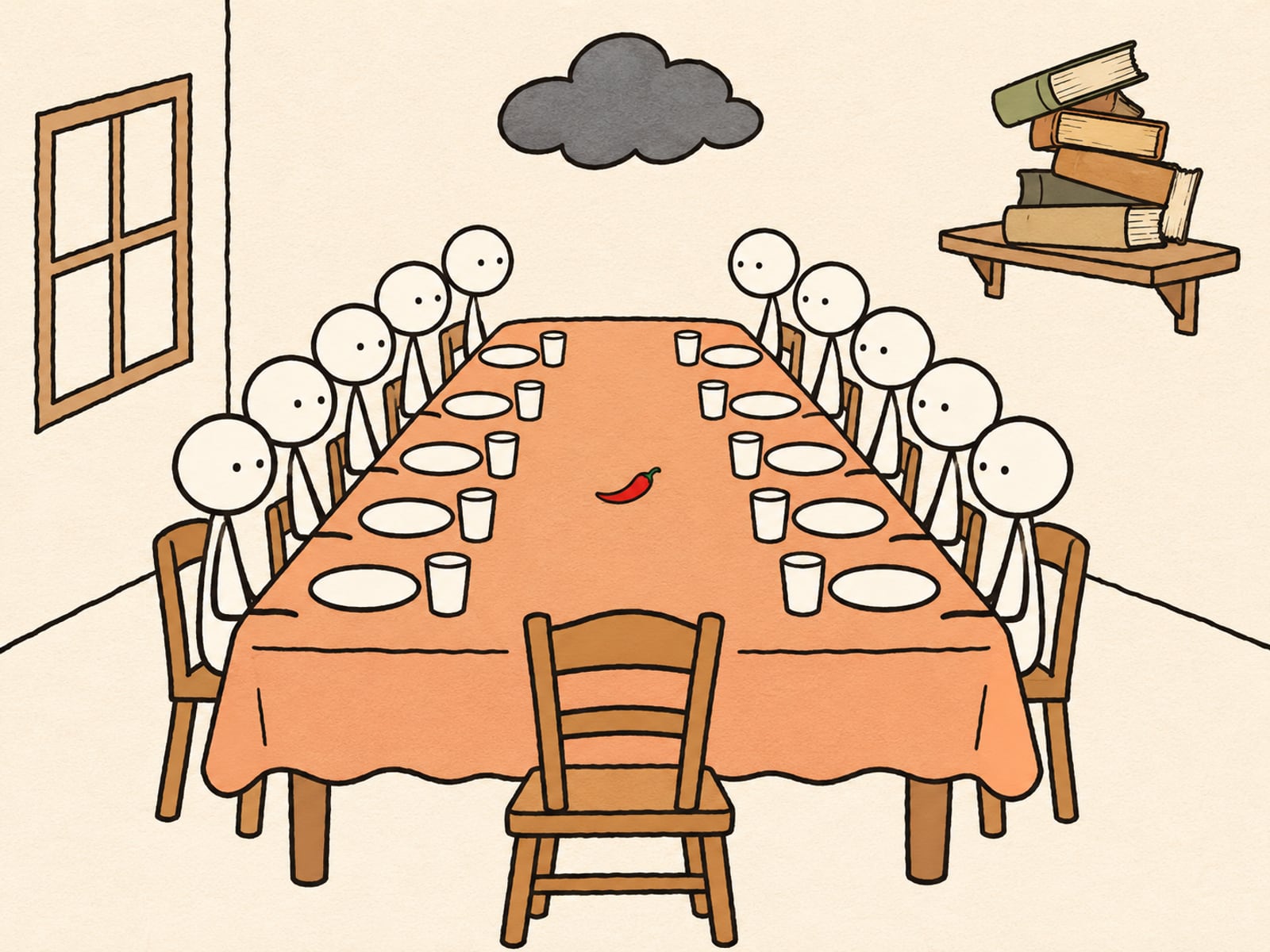
- The Last Supper. Jesus and his 12 apostles made 13 people at the table, and Judas was later linked with betrayal.
- A Norse feast. In the story, Loki arrives as the 13th guest in Valhalla, and Balder dies afterward (Wolfram MathWorld).
- Twelve as a full set. Twelve months, twelve zodiac signs and twelve apostles make 12 feel complete, so 13 feels like one too many.
- A dinner table rule. A European belief held that when 13 people dined together, one of them would die within a year (History).
In other words, there is no single proven origin. These are separate stories that all point at the same number.
The buildings: who dropped the 13th, and who kept it
Tall buildings gave the fear a new place to live. Once elevators and tall offices made floor numbers part of daily life, newspapers around the turn of the 20th century were already discussing unwanted 13th-floor offices, as History tells it.
The practice was never universal. Chicago's Reliance Building opened in 1895 with a designated 13th floor. A later owner removed that designation and renumbered the rooms above the 12th floor. The change stayed after the building's 1999 restoration, when it operated as the Hotel Burnham, according to Time Out Chicago, which spoke with the historian Tim Samuelson.
Other famous towers kept the number. The Flatiron Building (1902), the Woolworth Building (1913), the Chrysler Building (1930) and the Empire State Building (1931) each have a 13th floor.
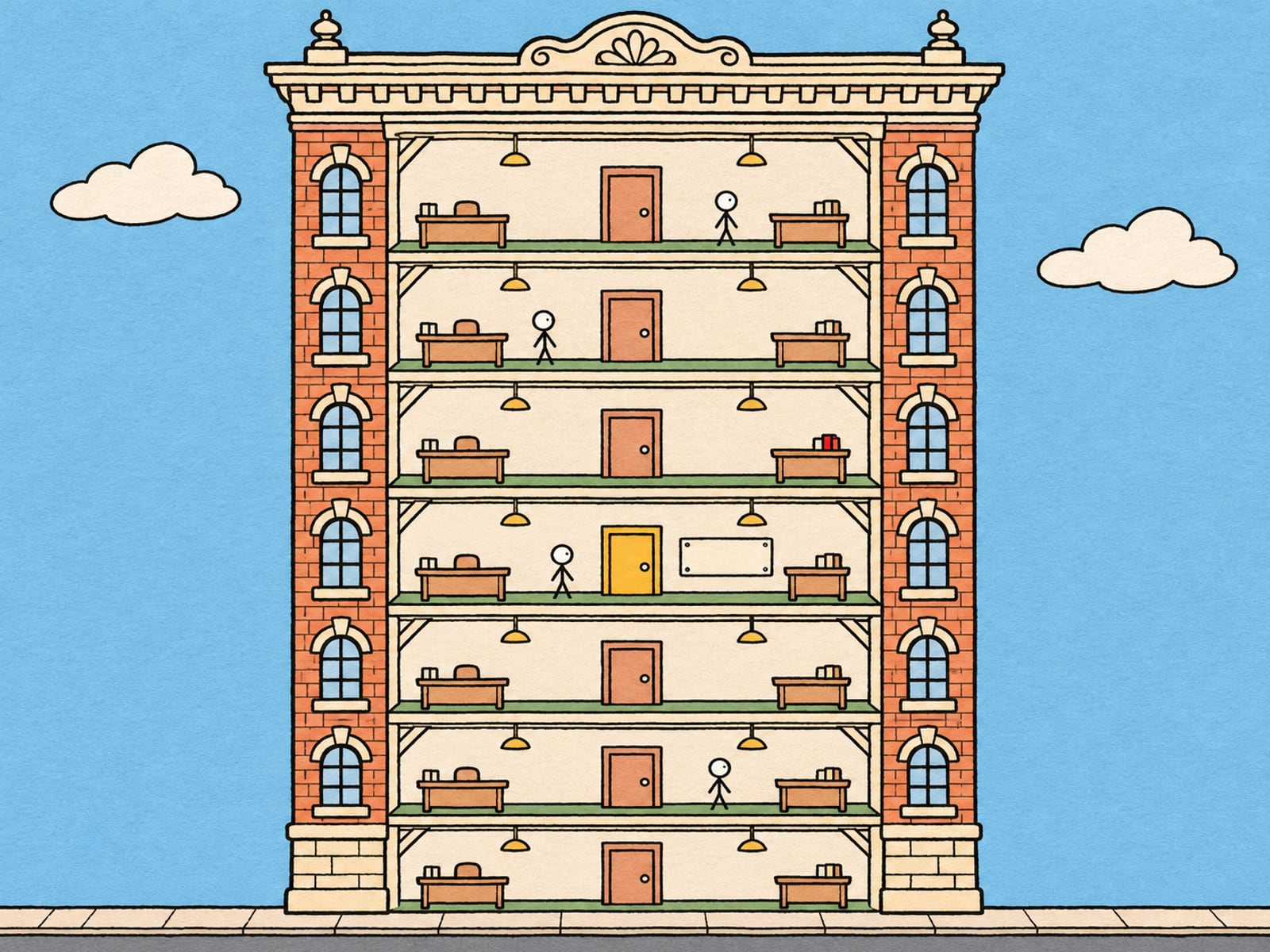
Then there is the question of what replaces it. Buildings use a handful of tricks:
- Label the level 14, so the physical 13th floor reads as the 14th.
- Call it 12A or 12B.
- Call it M, for mechanical or sometimes mezzanine.
- Give it a service or plant name.
- Leave out the public elevator button, even though the level is there.
Trump Tower in Chicago used its 13th level as a mechanical floor. In Mexico City, the World Trade Center, formerly the Hotel de México, has a physical 13th level that is not marked in its elevators, as a column in El Universal describes.
How many buildings do it?
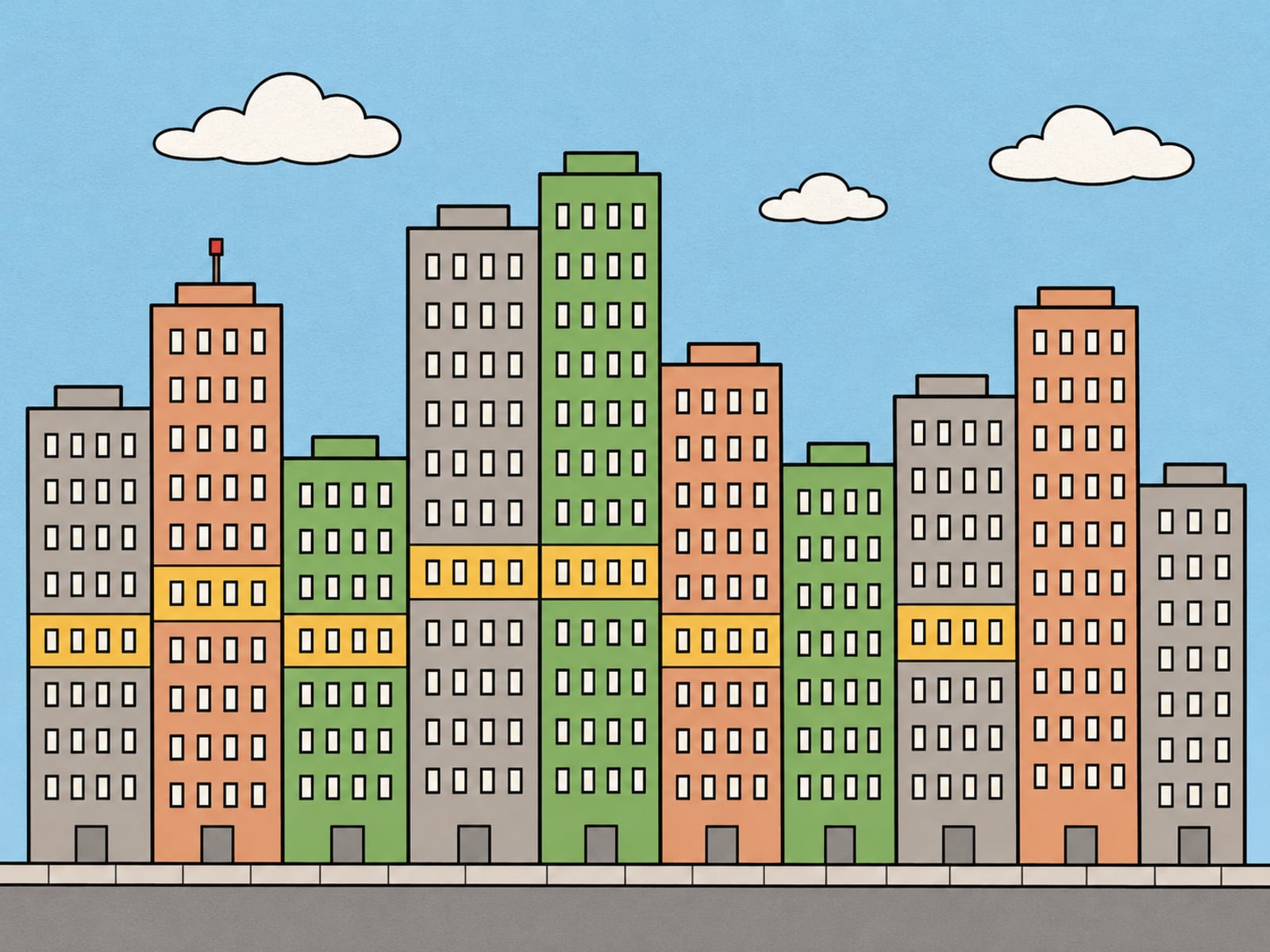
A widely quoted figure says 85 percent of US buildings skip the 13th floor. It comes from a 2002 estimate attributed to the Otis Elevator Company, so it is a dated company estimate, not a current national rate.
A measured example is available for one city. In 2024, researchers looked at about 620 New York City condominium buildings with more than 13 storeys. Only 13.5 percent had a unit with a 13th-floor address, so about 86.5 percent did not use one, according to the Oxford Academic paper. The physical level generally still existed.
For other places, the record is mostly named buildings, not countrywide percentages. Practice varies by owner and by type of building.
The rules: why firefighters care
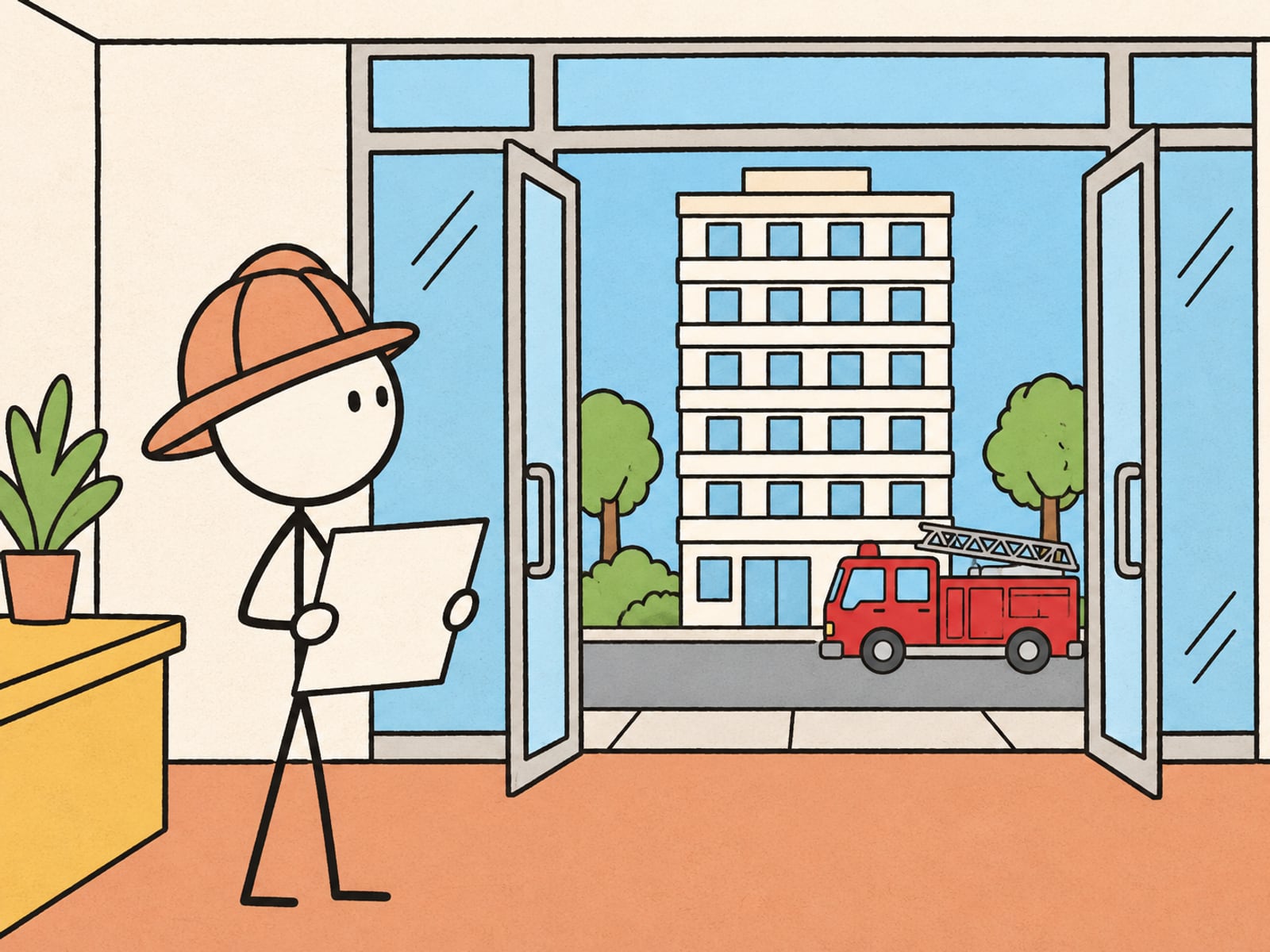
Here is the part that is not superstition. A floor label is a promise to the person reading it, and in an emergency that person may be a firefighter trying to find a specific level.
New York City requires owners of certain high-rise residential buildings with non-sequential floor numbering to file a Building Information Card with the Fire Department. The card identifies the actual floor designations, so responders can match the building's labels to its physical levels, according to New York City Business.
Vancouver went further. Its Chief Building Official's bulletin 2015-005-BU generally required new applications, since October 20, 2015, to use consecutive floor and suite numbers. The reason in the bulletin is that unusual numbering can confuse first responders and delay fire or emergency response.
Notice what the rules are about. The concern is operational confusion, not the number 13 itself.
Other numbers, other countries
The number 13 is not the only one that gets dropped. In parts of China, Japan and Korea, 4 is avoided because its sound resembles the word for death. In Italy, 17 is treated as unlucky because the Roman numeral XVII can be rearranged into vixi, Latin for "I have lived," as Fundación UNAM explains. Practice varies by country, language, building and owner.
In Mexico, Spain and several Latin American countries, the calendar fear is Tuesday the 13th, martes 13, with the saying "En martes, ni te cases ni te embarques," meaning "On Tuesday, neither marry nor set out to sea." The Tuesday link to Mars, the Roman god of war, is commonly cited. The origin of martes 13 is not one historical event, and an academic article from El Colegio de San Luis contrasts it with countries that fear Friday the 13th.
The record
| Date | What happened | Source |
|---|---|---|
| 1892 | Triakaidekaphobia appears in D. Hack Tuke's A Dictionary of Psychological Medicine | Wordorigins |
| 1895 | Chicago's Reliance Building opens with a designated 13th floor | Time Out Chicago |
| 1902 | The Flatiron Building opens, with a 13th floor | History |
| 1908 | Triskaidekaphobia appears in Religion and Medicine | Wordorigins |
| 1913 | The Woolworth Building opens, with a 13th floor | History |
| 1930 | The Chrysler Building opens, with a 13th floor | History |
| 1931 | The Empire State Building opens, with a 13th floor | History |
| 1999 | The Reliance Building is restored and operates as the Hotel Burnham; the renumbering stays | Time Out Chicago |
| October 20, 2015 | Vancouver generally requires consecutive floor and suite numbers in new applications | City of Vancouver |
| 2024 | Researchers find about 86.5 percent of roughly 620 tall New York City condo buildings use no 13th-floor address | Oxford Academic |
Questions people ask
Why do some buildings skip the number 4? 01
In Chinese, Japanese and Korean, the sound of 4 resembles the word for death. In China, especially Cantonese-speaking communities, 4 can be avoided in hotels and hospitals. In Japan, 4 may be omitted or read as yon instead of shi.
Why do some hotels skip room 13? 02
It comes down to what guests expect and what the owner chooses to label. The room is not physically missing. Only the number on the door changes.
Why do fire departments require accurate floor numbering? 03
Responders have to match elevator labels, building plans and the physical levels quickly during a fire or another emergency. If the labels and the levels disagree, time is lost. New York's card and Vancouver's rule both aim at that problem.
Why is Friday the 13th unlucky? 04
Friday and 13 each have their own separate histories, and the bad-luck date comes from when those two traditions were combined. In Spanish-speaking countries, the calendar tradition usually points to Tuesday the 13th instead.
A label is not a level
The 13th floor is a label, and labels can change. The concrete slab, the hallway and the office doors are exactly where they were built.
What matters now is that the label and the level match when someone needs them to. That is why New York asks for a card and Vancouver asks for plain numbers in order.
The 13th floor is usually still there. It just has a different name.
Sources

- Oxford Academic, "Why do buildings skip the thirteenth floor?"
- Time Out Chicago, buildings without a 13th floor
- History, why the 13th floor is skipped
- Wordorigins, triskaidekaphobia
- Wolfram MathWorld, Triskaidekaphobia
- New York City Business, High Rise Residential Building Non-Sequential Floor Numbering BIC
- City of Vancouver, Chief Building Official Bulletin 2015-005-BU
- Fundación UNAM, trezidavomartiofobia
- El Colegio de San Luis, Vetas (2003)
- El Universal, why hotels have no 13th floor