Why Do Coins Have Ridges?
Ridges, called reeding, were added to gold and silver coins so that shaving metal from the edge would break the pattern and expose the tampering. They deterred and helped detect clipping, but they did not make it impossible. On US dimes and quarters today they are mainly a design feature, with added use for telling coins apart by touch and for making counterfeiting harder.

In this explainer +
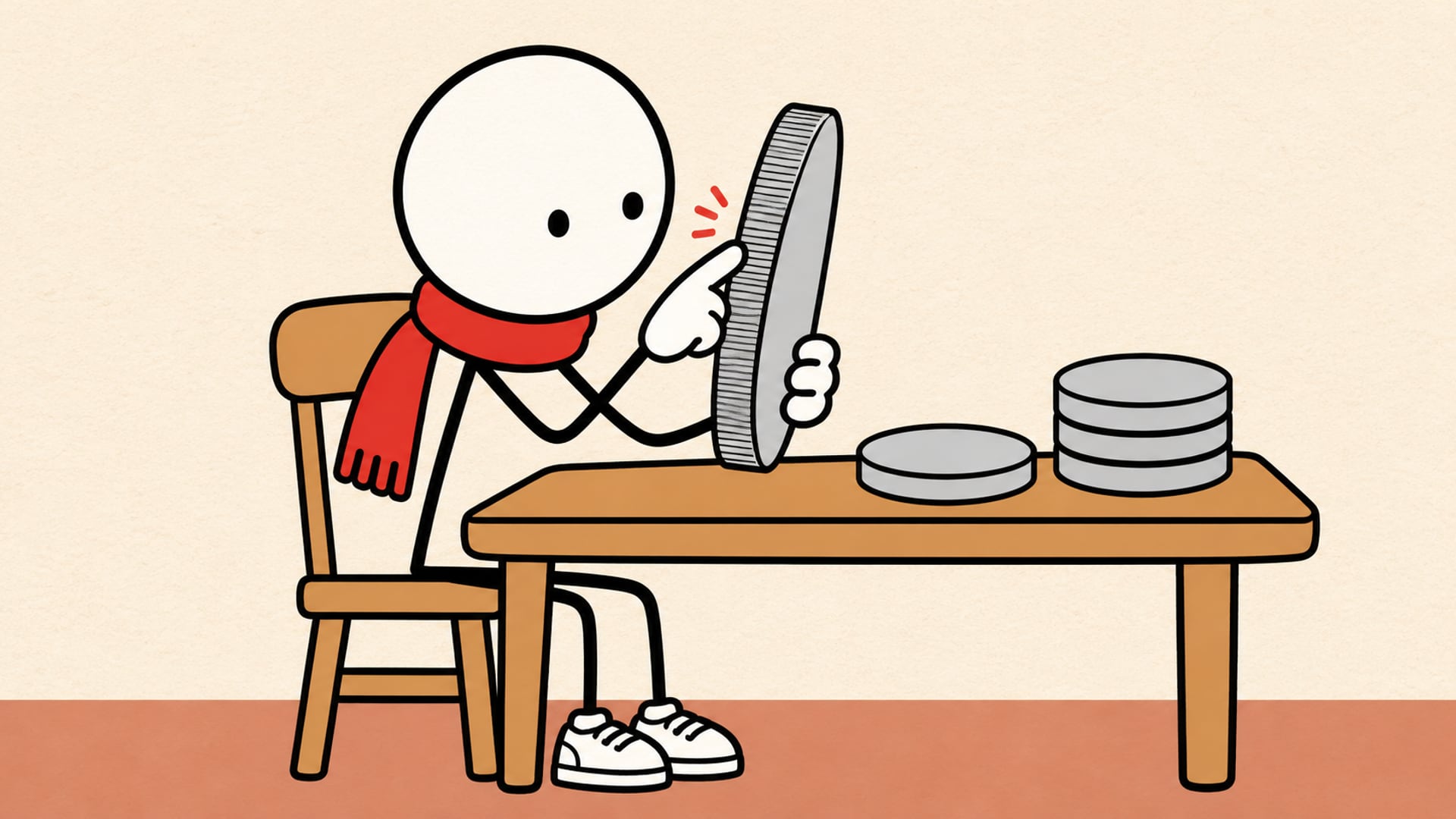
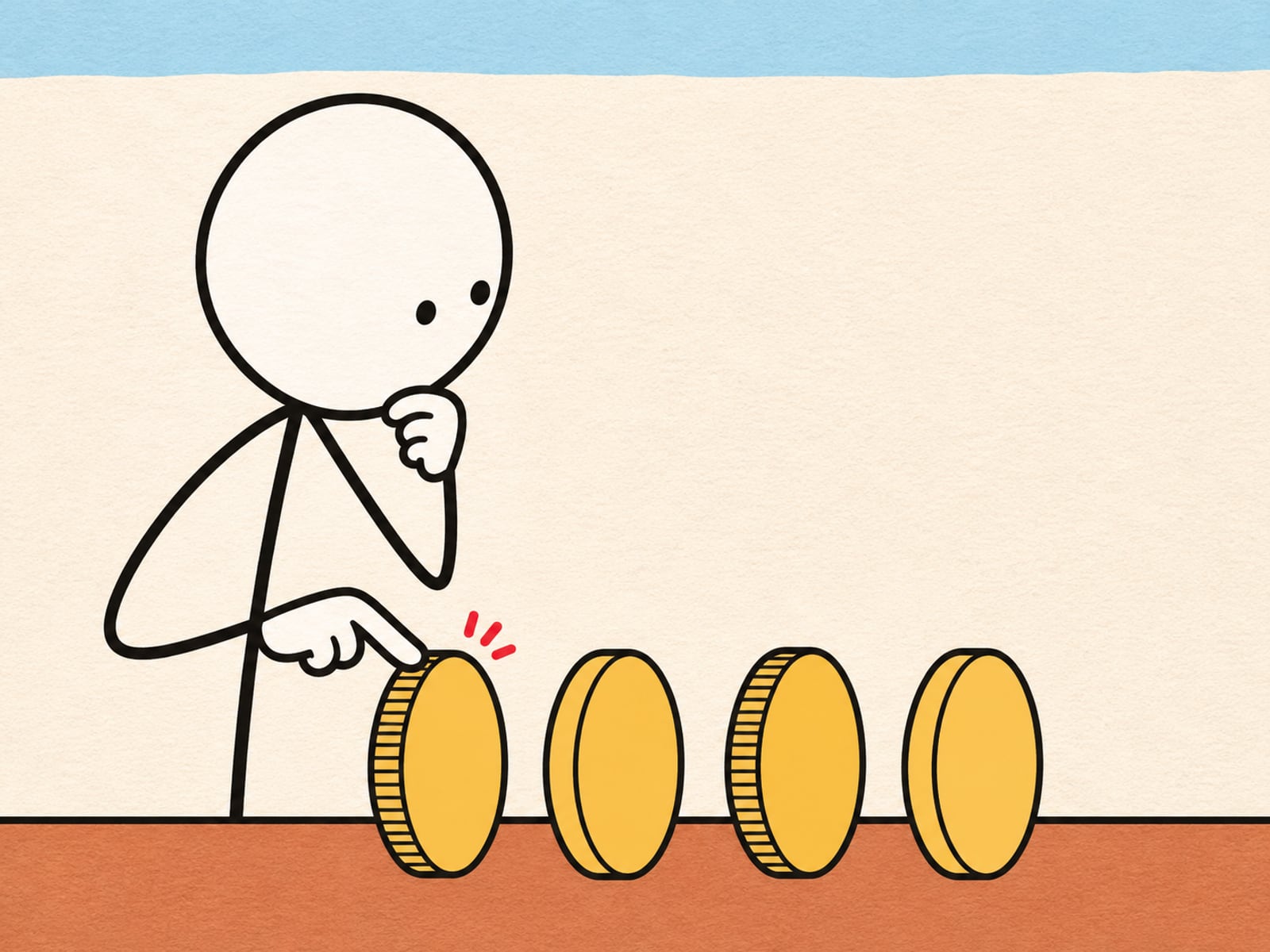
Take a quarter out of your pocket and run your thumb around its edge. It's lined with tiny parallel grooves, and your thumb can count them without looking.
Now do the same with a penny. Smooth. Try a nickel. Smooth again. A dime has the grooves, though.
So, why would a coin have ridges at all? The ridges are called reeding, and they were added to gold and silver coins so that anyone shaving metal off the edge would break the regular pattern and show what they had done. Today the ridges on US dimes and quarters are mostly a design feature, with a bonus: you can feel them.
The rest of the story is about people who cut pieces off money, and the people who tried to stop them.
What the ridges were guarding against
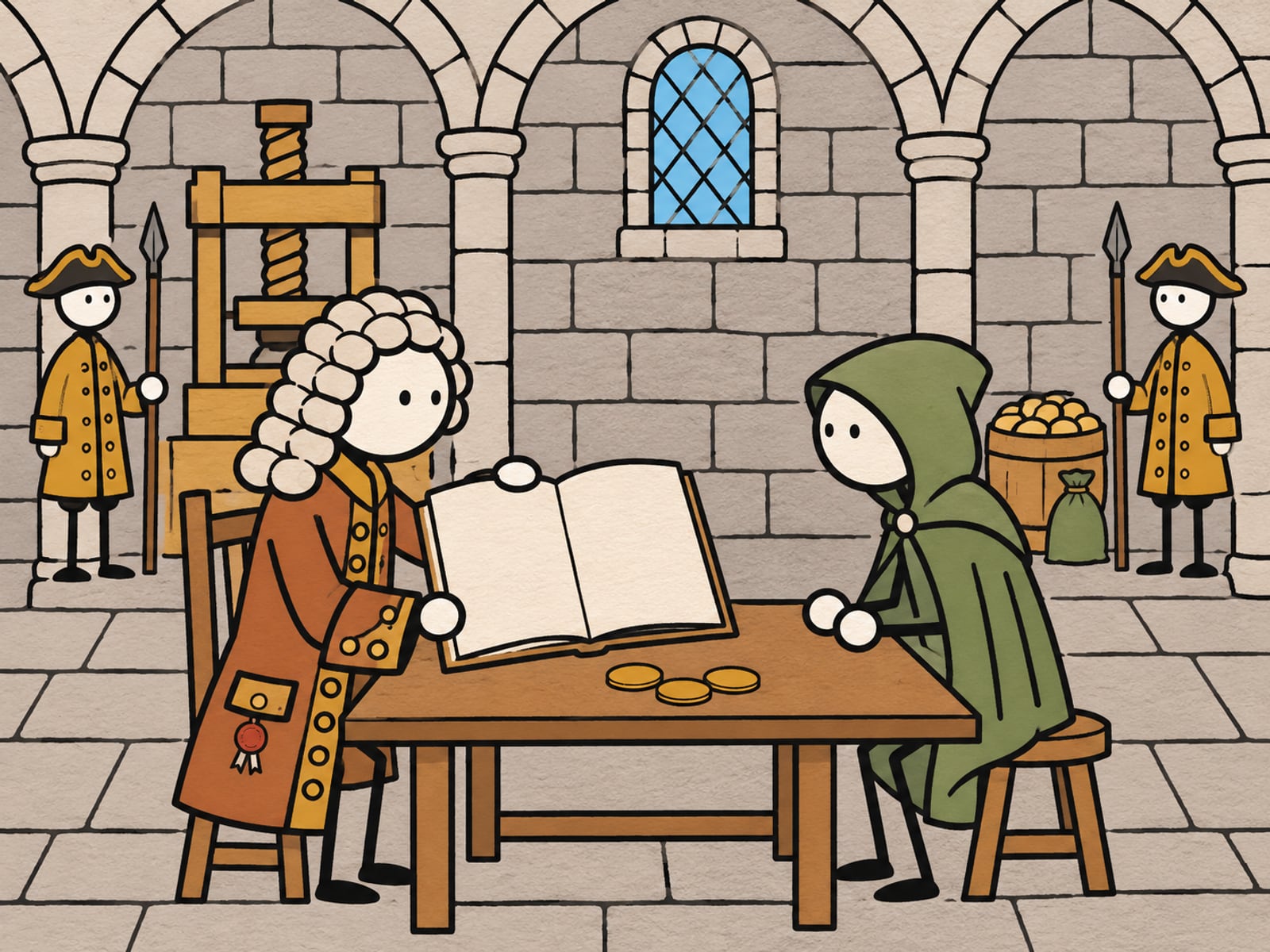
Before machines made coins, a moneyer at a mint handled gold and silver coins that were hammered by hand. Their edges were irregular, and nobody expected anything else. According to the Science Museum Group Journal, that unevenness made it easier to remove a little metal without anyone noticing.
That is what clipping was. The Royal Mint's teaching notes describe people filing or shearing metal off the edge of a genuine coin, melting down the clippings and selling them, then spending the shortened coin as if it still held its full amount of precious metal. The Reserve Bank of Australia describes silver coins being shaved or clipped in the same way.
Shaving is the slow version: scraping or filing a little at a time.
In other words, every coin was a small pile of metal that a patient person could nibble. Do that to enough coins and the pile adds up.

How a pattern on the edge stops a thief
Machine-made coinage changed the edge. The Science Museum Group says mechanisation brought in milled and lettered edges as a deterrent to clipping. At the Tower Mint in London, that began in 1662, according to the Royal Mint Museum.
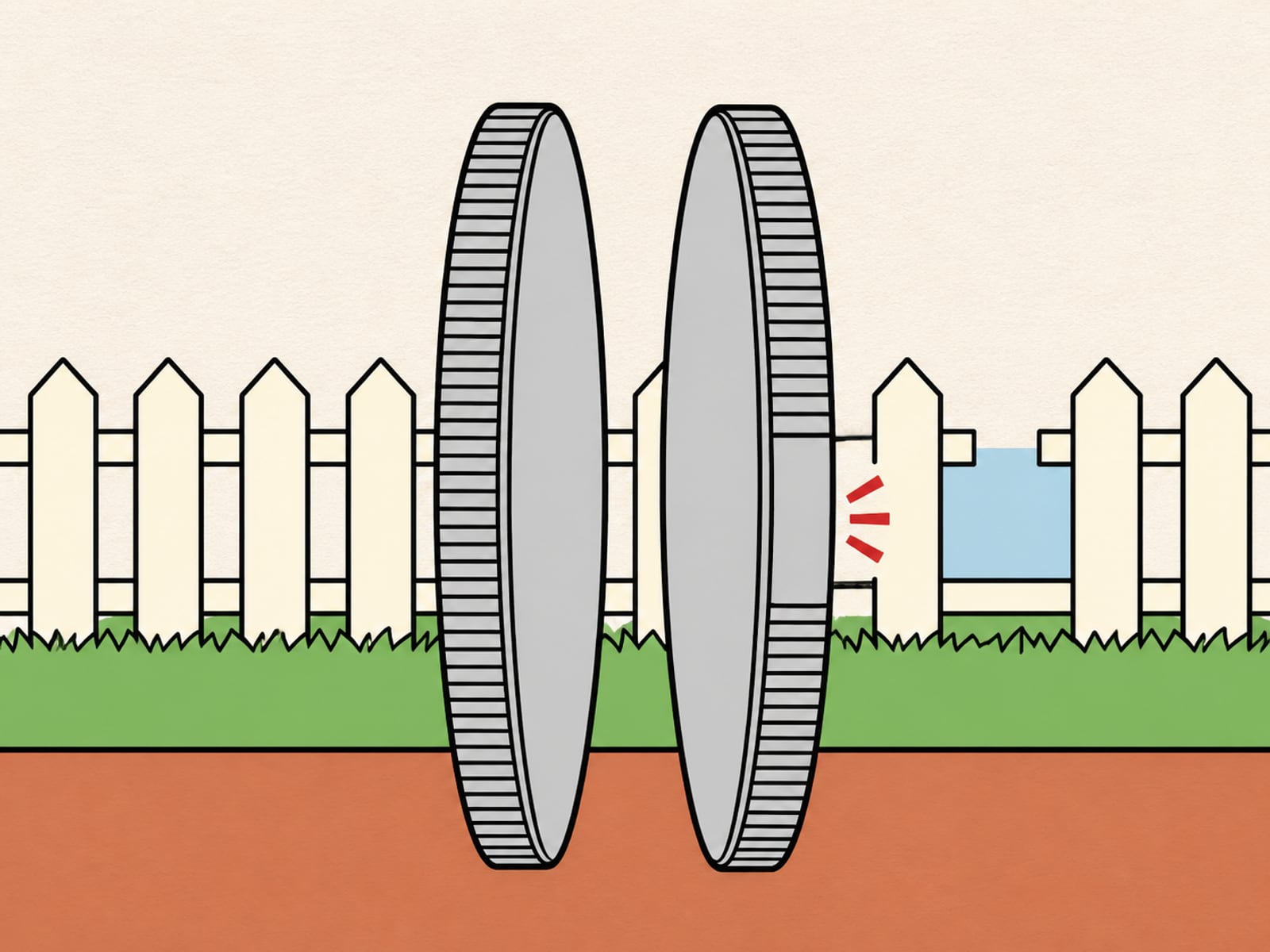
Think of it like this: a picket fence. Take out one picket and the gap is obvious from across the street. A coin edge with a regular pattern works the same way. File some of it away and the pattern is broken or incomplete, so the tampering shows.
That is why reeding deterred clipping and helped catch it. It did not make clipping physically impossible. A determined person could still try, and the pattern only meant the evidence was on the coin.
The Royal Mint Museum also shows a large gold or silver coin with a message running around its edge: DECUS ET TUTAMEN. The words mean "an ornament and a safeguard." That one phrase covers the whole job of an edge. It looks good, and it protects.
Where Isaac Newton comes in
Isaac Newton is part of this story, and his part is well documented.
Isaac Newton became Warden of the Royal Mint in spring 1696, after Charles Montagu, the Chancellor of the Exchequer, recommended him. The Mint was then in the Tower of London. According to the Royal Mint Museum's page on Newton, he worked through the Great Recoinage of old silver coins, a job finished within three years.
After that, his main duty was going after the people who clipped and counterfeited coins. He interviewed criminals and informers, and he wrote extensive reports and letters about what he learned. In 1699 he became Master of the Royal Mint, and he held the post until his death in March 1727.
So Newton is closely tied to enforcing the rules that protected the coinage. The milled and lettered edges themselves were already in use at the Tower Mint in 1662, thirty-four years before he arrived. His part was the policing: the investigating, the interviewing, the bringing of clippers and counterfeiters to justice.
Why quarters and dimes have ridges and pennies and nickels do not
Now back to your pocket. The US Mint's coin specifications list pennies and nickels as plain-edged, and dimes and quarters as reeded. Per the Mint's production page, a collar forms the edge during striking, and that collar can leave the edge smooth, reeded or lettered.
The history explains the split. Reeding mattered most on coins made of precious metal, because clipping them took away silver or gold. The US Mint's page on the dime records that the quarter was first produced as a silver coin in 1796, and that silver was removed from the dime in 1965. Today's dimes and quarters are copper-nickel clad.
In that tradition, the dime and quarter kept the reeded edge after their metal changed. The penny and nickel were never in the same position, and they kept plain edges. That is the historical reasoning behind anti-clipping edges, applied to the coins in your change; it is not a statement from the Mint about each denomination.
Today the ridges are mainly a design feature. They also let you tell a dime from a penny in the dark, and they add something counterfeiters have to copy.
Two follow-up questions
Once you know the ridges began as a guard, two questions come up on their own.
1. Is it the same in other countries?
The basic history is shared: milled and reeded edges developed in Europe as an answer to clipping precious-metal coins. After that, each issuing authority picks its own edges.
In the UK, the Royal Mint lists the 1p coin as plain-edged, and says in its exhibition notes that edge inscriptions on higher-value coins make counterfeiting more difficult.
In Mexico, Banco de México describes 10-, 20- and 50-centavo coins with different edges: a perimeter groove, interrupted reeding and continuous reeding.
The euro uses one system across the euro area. The European Central Bank says the €2 coin has edge lettering, the €1 coin alternates milled and smooth sections, the 20-cent coin has seven indentations, and the 1- and 5-cent coins have smooth edges.
2. Can the edge help someone tell coins apart without seeing them?
Yes, and for many people that is now the point. Banco de México says the different edges on its centavo coins are the principal feature people with visual disabilities use to tell those coins apart. Since 2020, some 20-peso coins also have a 12-sided shape and interrupted reeding to make identification easier.
The ECB says euro coins differ in size, shape, colour, weight and edge, and that its accessibility work was developed with the European Blind Union.
The record
| Date | What happened | Source |
|---|---|---|
| 1662 | Machine-made coinage with milled and lettered edges is introduced at the Tower Mint | Royal Mint Museum, "Charles II" |
| Spring 1696 | Isaac Newton becomes Warden of the Royal Mint, recommended by Charles Montagu | Royal Mint Museum, "Isaac Newton" |
| 1699 | Newton becomes Master of the Royal Mint, after the Great Recoinage and his investigations of clippers and counterfeiters | Royal Mint Museum, "Isaac Newton" |
| March 1727 | Newton dies, still in the post | Royal Mint Museum, "Isaac Newton" |
| 1796 | The quarter is first produced as a silver coin | US Mint, "Dime" |
| 1965 | Silver is removed from the dime | US Mint, "Dime" |
| 2009 | Mexico introduces 10-, 20- and 50-centavo coins with different edges to help people with visual disabilities | Banco de México, "Banknotes and Coins, Visual Disability" |
| 2020 | Some 20-peso coins begin using a 12-sided shape and interrupted reeding | Banco de México, "Banknotes and Coins, Visual Disability" |
Questions people ask
Why do some coins have lettering around the edge? 01
Edge lettering grew out of the same anti-clipping history as reeding, and the edge became a traditional place for inscriptions. The Royal Mint says edge inscriptions on higher-value coins make counterfeiting more difficult. One early example is DECUS ET TUTAMEN, "an ornament and a safeguard."
Why are euro coin edges different from one another? 02
The euro area shares one denomination system, and it uses different edge patterns, sizes, weights and shapes to set the coins apart. The €2 has lettering, the €1 alternates milled and smooth sections, and the 20-cent coin has seven indentations. The ECB says the system was developed with the European Blind Union.
Why are some coins different shapes, such as Mexico's 20-peso coins? 03
Shape is another way to identify a coin by touch. Banco de México says some 20-peso coins issued since 2020 are 12-sided with interrupted reeding, which makes them easier to recognise. Security features and the issuing authority's design choices play a part too.
Why do coins have raised rims as well as patterned edges? 04
The rim sits slightly above the face design, which protects the design from wear. It also helps coins stack, and it forms part of the coin during striking, according to the US Mint's anatomy of a coin.
What a ridge says today
Two jobs now sit on the same few millimetres of metal: proving the coin is whole, and telling it apart from the others in your pocket.
Next time you feel the edge of a quarter, you're touching an idea that reached the Tower Mint in 1662 and stayed on the coin long after the silver left the dime and the quarter.
A ridge began as a guard against shaving gold and silver, and today it also helps people tell coins apart by touch.
Sources

- Science Museum Group Journal, "From Renaissance medals to the Jaguar E-type car bonnet"
- The Royal Mint, "Clippers and Counterfeiters" (notes for teachers)
- Reserve Bank of Australia, "A Brief History of Currency Counterfeiting"
- Royal Mint Museum, "Charles II"
- Royal Mint Museum, "Isaac Newton, Warden and Master of the Royal Mint"
- US Mint, "Coin Specifications"
- US Mint, "Coin Production"
- US Mint, "Dime"
- US Mint, "Anatomy of a Coin"
- Royal Mint, "1p Coin Designs and Specifications"
- Royal Mint Experience, "More Than Money"
- Banco de México, "Banknotes and Coins, Visual Disability"
- European Central Bank, "Visually Impaired People"