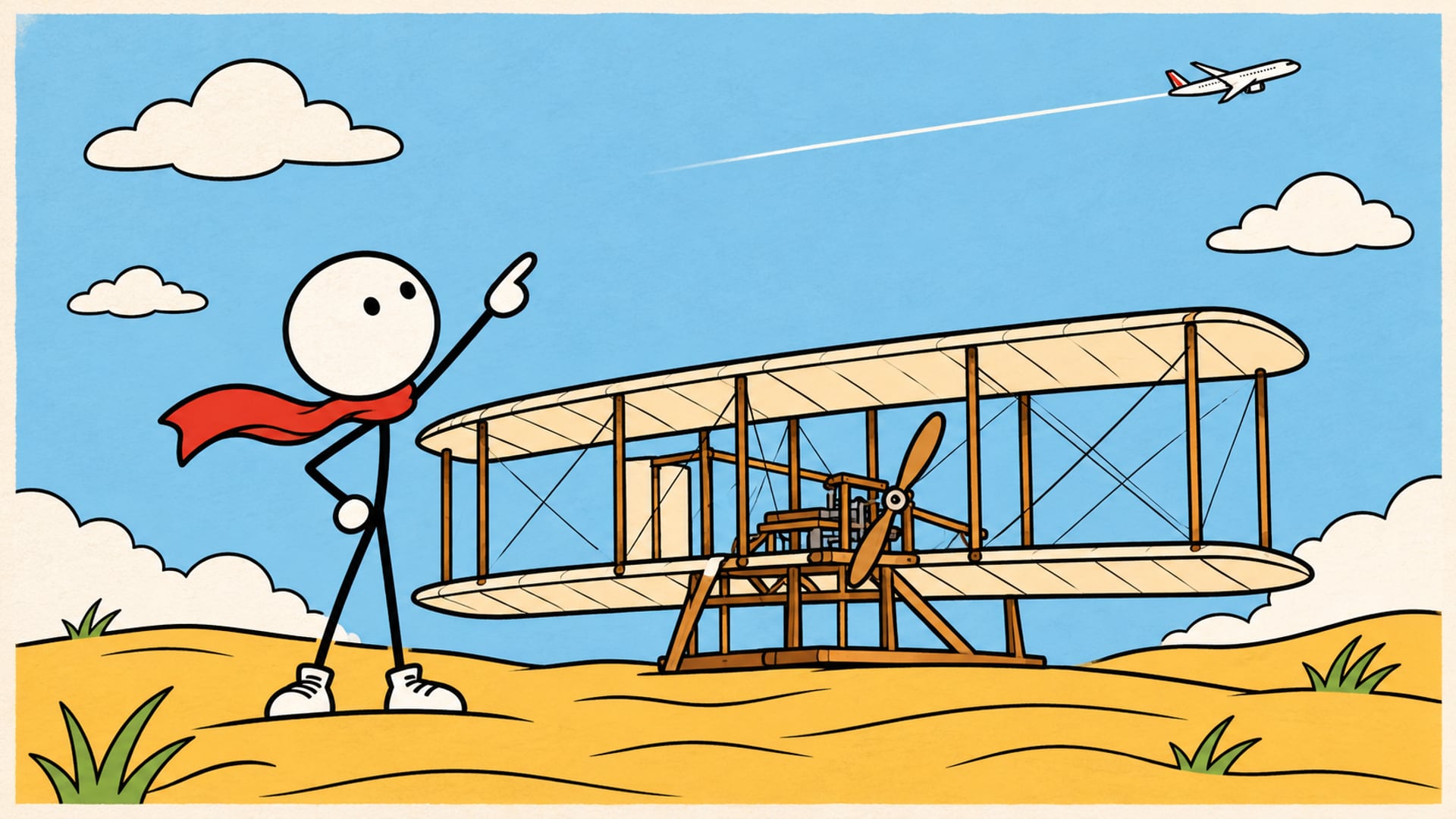
 SPICYIQ
Why Do Planes Fly So High?
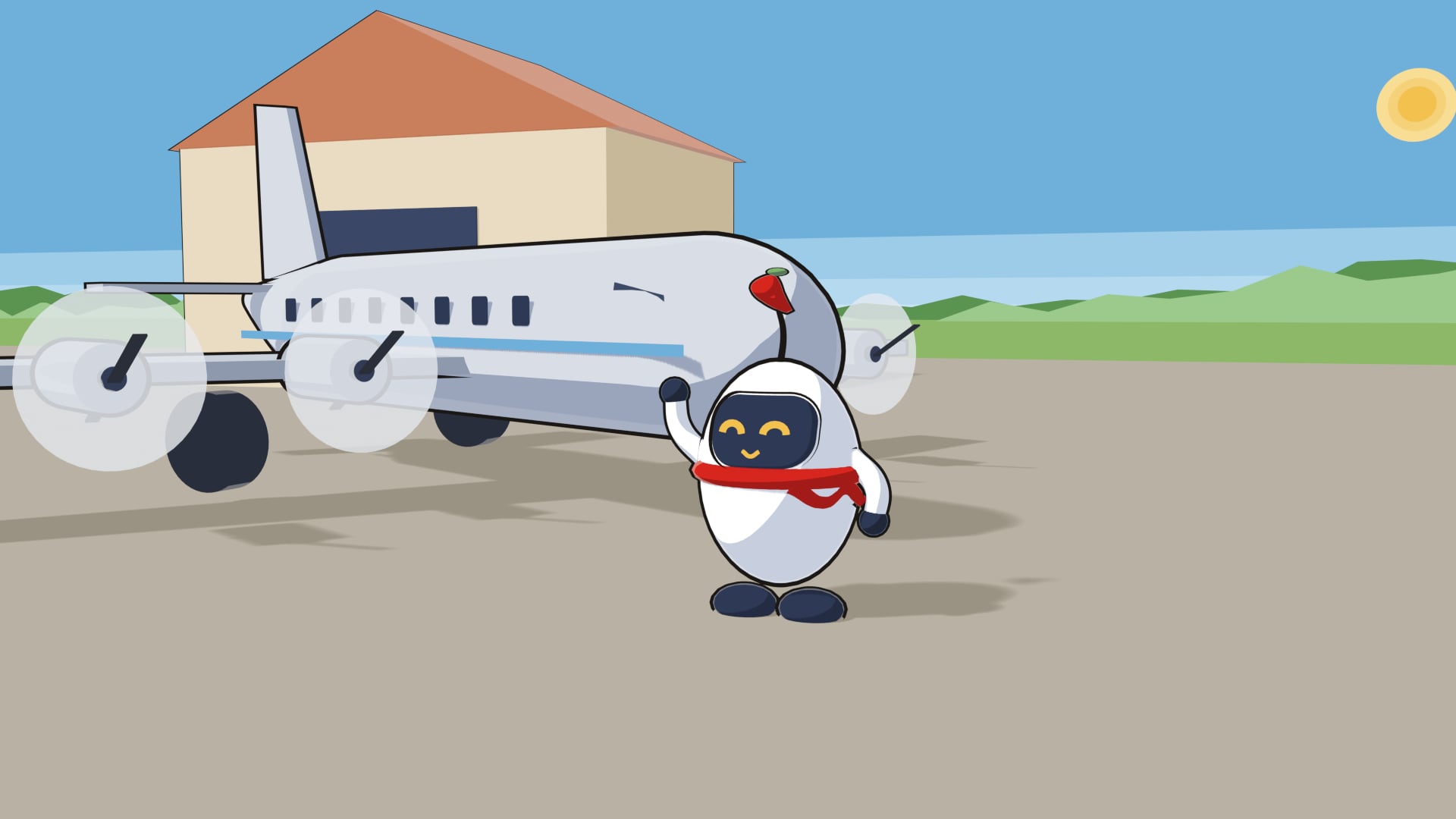
Planes fly high because the air is thinner there, so there is less drag, the engines need less thrust, and they burn less fuel. Cruise height is a range, roughly 30,000 to 40,000 feet, and the exact number depends on the aircraft, its weight, the temperature and its certification. The cabin is sealed and pressurized so passengers breathe normally.
In this explainer +
Look at the seat-back map on your next flight. A tiny plane crawls across a blue ocean, and a number in the corner says about 35,000 feet.
Now ask the obvious thing. Lower down, the air is thicker, there is more of it under the wings, and the ground is a lot closer. So, why is the plane up there?
Because thinner air pushes back less. At that height the engines need less thrust to hold the same speed, and less thrust means less fuel. Jets commonly cruise from about 30,000 to 40,000 feet, and conventional jets run most efficiently near 35,000 feet, plus or minus several thousand feet.
Thin air, less drag, less fuel
In steady cruise, the engines' thrust equals the drag. A plane with less drag needs less thrust, and less thrust burns less fuel. Drag depends on how dense the air is, how fast the plane goes, the wing area and the shape of the aircraft. Keep the plane and the speed the same, thin out the air, and the resistance drops.
Think of it like this: wade across a swimming pool, then walk the same distance on the deck. Same legs, same speed, far less pushing back. A jet at 35,000 feet is on the deck.
There is a catch. Wings and engines still need air to work with, because wings make lift from it and engines burn fuel with it. Go too low and the drag costs you fuel. Go too high and there is not enough air to hold the plane up. The best height sits in the middle, which is why it is a band and not one fixed line.

What the air is like outside your window
At about 35,000 feet in the standard atmosphere, the air outside is around minus 54 degrees Celsius, or about minus 66 Fahrenheit. The pressure is about 7.04 inches of mercury, against 29.92 at sea level. That is about 20 percent of the air pressure at sea level, roughly a fifth of what you breathe on the ground.
That is too thin to breathe normally, so the cabin is pressurized. The person next to you is sipping tea in short sleeves while the glass beside them faces air near minus 54.
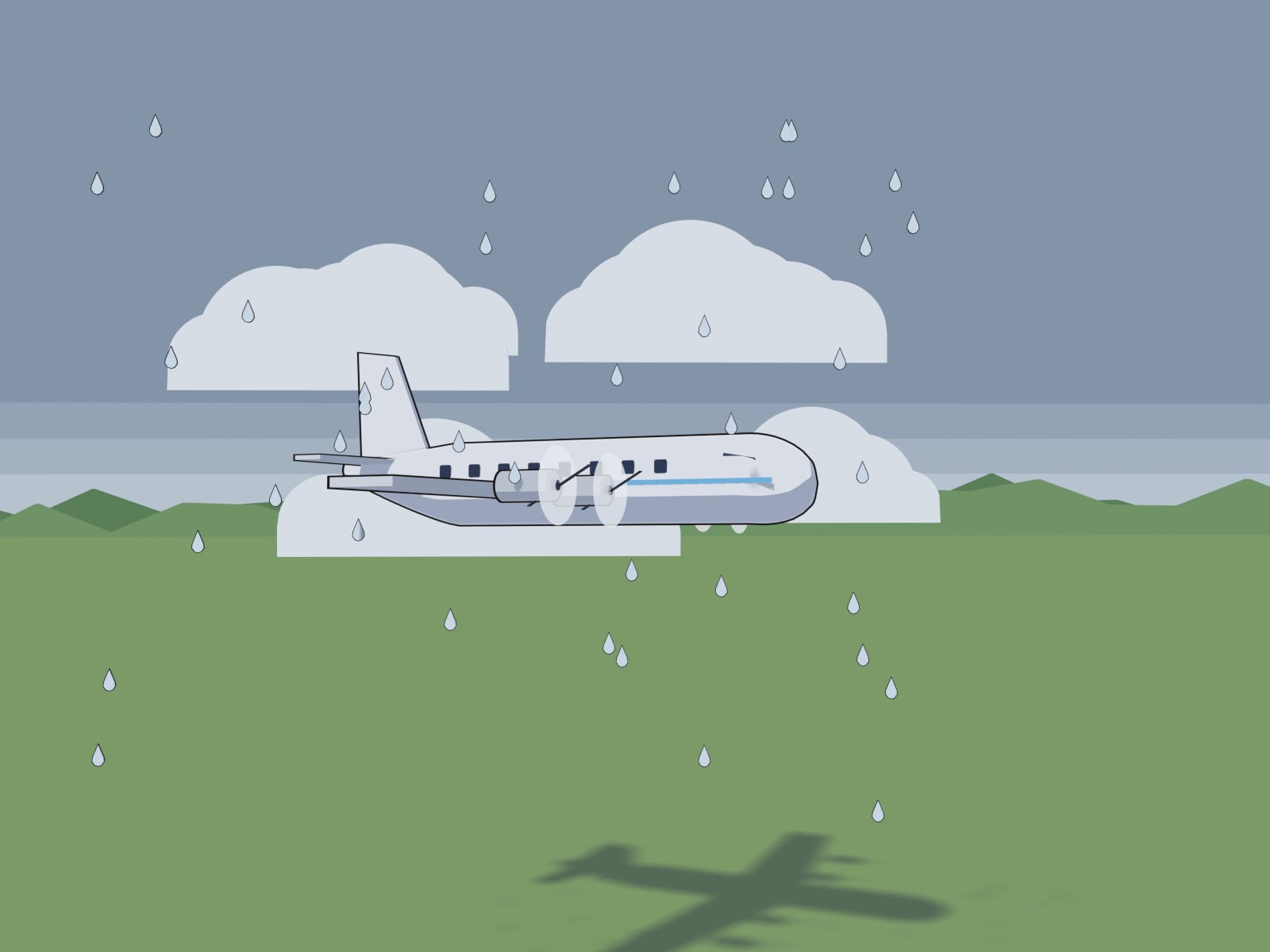
Height also gets a plane away from much of the weather. Almost all weather sits in the troposphere, the lowest layer of the atmosphere, and cruise is often above most of the lower cloud and rain. Most, not all. A big thunderstorm can tower about 50,000 feet, higher than any airliner cruises, which is why pilots steer around the big ones.

How airliners climbed up there
Earlier airliners generally flew no higher than about 10,000 feet. Then came the Boeing 307 Stratoliner in 1938, the world's first pressurized airliner, able to cruise at about 25,000 feet. A sealed cabin let passengers and crew breathe easily while the plane flew in the thinner, less turbulent air above.
Jets pushed it further. On 2 May 1952 the de Havilland Comet entered service with BOAC as the first commercial jet airliner, carrying 36 passengers at about 450 mph.
Who picks the number
The pilots do not just choose a height they like. Air traffic control assigns the flight level. In the United States, aircraft at and above 18,000 feet use flight levels set from a standard pressure of 29.92 inches of mercury, and cruising levels are split into odd and even by direction of travel. Clearances and published airways can override the usual table.
By the numbers
Each figure below is quoted for about 35,000 feet unless the row says otherwise.
| Figure | Value | Source |
|---|---|---|
| Typical jet cruise | About 30,000 to 40,000 feet | NASA, Runway to the Stars |
| Most efficient height for conventional jets | About 35,000 feet, plus or minus several thousand feet | NASA, aircraft cruise altitude report |
| Outside temperature | About minus 54 degrees Celsius (minus 66 Fahrenheit) | NASA, NACA standard-atmosphere table |
| Outside pressure | About 20 percent of sea level | NASA, WB-57 life support |
| Earlier airliners against the Stratoliner | About 10,000 feet against about 25,000 feet | Smithsonian National Air and Space Museum |
| Height a big thunderstorm can reach | About 50,000 feet | NASA Earth Observatory, Storms Below |
Questions people ask
Once the main answer is clear, a few more questions tend to follow.
Why do planes sometimes fly lower than 35,000 feet? 01
The best height depends on the aircraft's weight, the length of the route, the winds, the weather, turbulence and traffic restrictions. A heavy plane at the start of a long trip may also sit lower than it will later.
Why do airplanes climb in steps instead of going straight to the final altitude? 02
A plane takes off heavy with fuel, and that weight limits how high it can go efficiently. As the fuel burns off, the aircraft gets lighter and its best height rises, so it climbs to a higher cleared flight level, a little at a time as the weight comes off. Air traffic control has to clear each new level. Midway through a long flight, that can mean a step from about 35,000 to 39,000 feet.
Why does the cabin feel normal when the outside air is nearly unbreathable? 03
The pressurization system holds the cabin at a pressure equal to a much lower altitude. Outside, the air is about one-fifth to one-quarter of sea-level pressure; inside, you are breathing something much closer to ground-level air.
Why can a plane not keep climbing forever? 04
Higher up, the wings make less lift and the engines make less thrust. The safe speed range also narrows: the FAA calls the point where the high-speed buffet limit meets the low-speed stall limit coffin corner. On top of that, every aircraft has a certified maximum altitude. The recommended maximum is whichever of those limits comes first; for an A320 on one set of conditions, that works out to about 37,000 feet.
One line to take home
The number on the seat-back map is a planned trade. Thin air cuts drag and fuel burn, and the sealed cabin keeps everyone breathing.
Up high, the air pushes back less, so the engines burn less fuel.
Video transcript +
At thirty-five thousand feet, the air outside your window is about sixty below zero, and too thin to breathe.
Airliners climb up there anyway, because thin air is cheaper to fly through, and most of the weather is far below.
Getting that high took a sealed cabin. The Boeing Three-Oh-Seven Stratoliner, first flown in Nineteen-thirty-eight, was the first pressurized airliner to carry passengers.
Before it, airliners stayed low and bumped along through the weather.
Thin air pushes back less, so a jet needs less thrust, and less fuel, to hold its speed.
And nearly all clouds and storms stay in the lowest layer of the sky, while cruising jets fly near its top.
There is a limit. Climb too high, and the wings and engines run short of air to work with.
Most jets settle between thirty and forty thousand feet, then climb a little more as they burn off fuel and get lighter.
The air you could never breathe is the air that makes the whole trip work.
Sources
Where the facts come from, and where to read more.
- NASA, "Runway to the Stars"
- NASA, aircraft cruise altitude report
- NASA Glenn, "Lift-to-Drag Ratio"
- NASA, NACA standard-atmosphere table
- NASA, "WB-57 Life Support"
- NASA, "High-Flying Peeps" activity guide
- NOAA JetStream, "Layers of the Atmosphere"
- NASA Earth Observatory, "Storms Below"
- Smithsonian National Air and Space Museum, "Evolution of the Commercial Airliner"
- RAF Museum, "Comet enters service"
- FAA, Aeronautical Information Manual
- ICAO, North Atlantic operations (NAT Doc 007)
- NASA, typical commercial flight trajectory
- FAA, Advisory Circular 61-107B
- Airbus, "Control your speed in cruise" (Safety First)