Why Is New York Called the Big Apple?
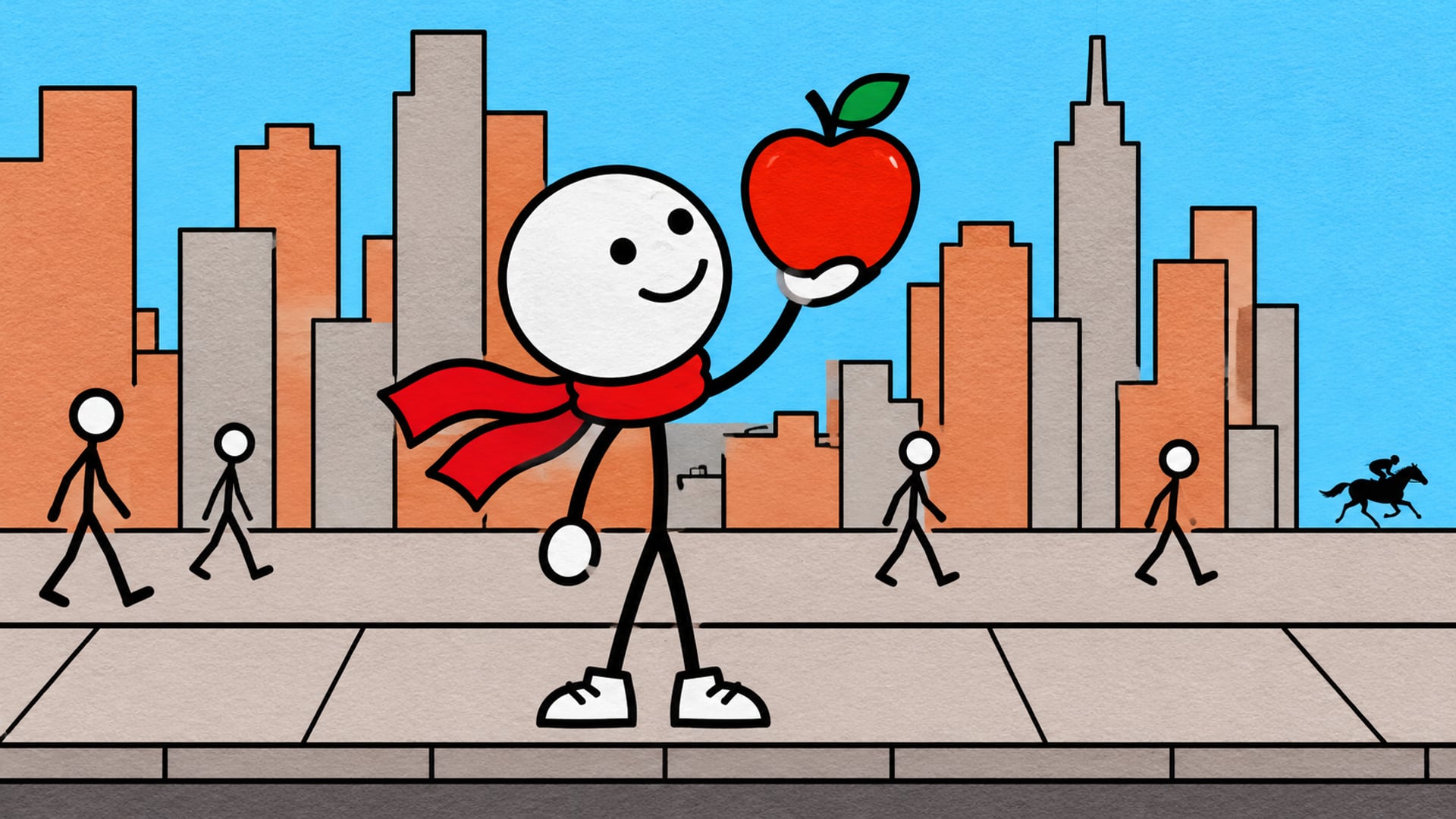
The phrase started as racing slang for the big time in New York racing. Reporter John J. Fitz Gerald heard it from stablehands in New Orleans in January 1920 and spread it through his columns. A 1971 campaign led by Charles Gillett of the New York Convention and Visitors Bureau turned it into the city's nickname.

In this explainer +
> "we’s goin’ to the big apple" > > A stablehand's answer, as John J. Fitz Gerald reported it in his racing column of December 1, 1926.
Fitz Gerald had asked a simple question: where are you shipping after the meeting? The answer he got is, more or less, the reason a city of millions carries a fruit for a nickname.
New York is called the Big Apple because racing writer John J. Fitz Gerald popularized the phrase in the 1920s for the city's racetracks, and a 1971 tourism campaign revived it as the city's nickname.
In other words, the Big Apple began as horse-racing slang. It took a stablehand, a newspaper column, a Harlem nightclub and a public relations push to become what we say today.
A horse writer hears a phrase in New Orleans
John J. Fitz Gerald was born in 1893. He wrote about horse racing for The Morning Telegraph.
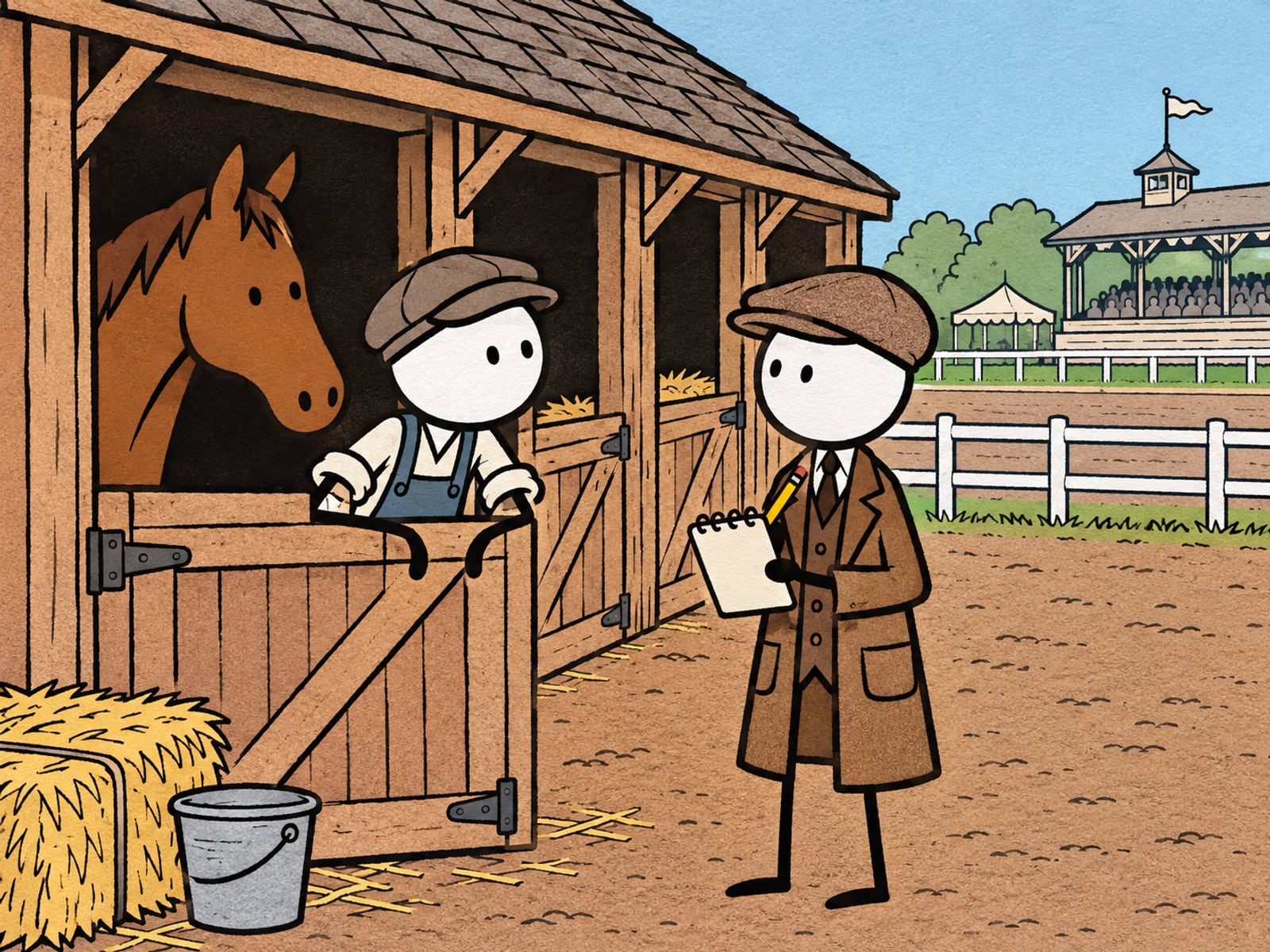
In January 1920, he was in New Orleans, where he heard African-American stablehands talk about New York racecourses as "the big apple." They meant the big time in racing.
According to Gerald Cohen of the American Name Society, he began using it in his columns.
The trail after that is easy to follow, because it is in print:
- May 3, 1921. The phrase appears in his New York racing column, where horses are said to represent "the Big Apple," according to Barry Popik's timeline.
- February 1924. His column runs under the heading "Around the Big Apple," as the Apples and People history records it.
- December 1, 1926. He explains where the words came from.
That last column is the one at the top of this post. A stablehand had been asked "Where are you shipping after the meeting?" and had answered "we’s goin’ to the big apple." Fitz Gerald wrote it down and told his readers what it meant.
His columns made the phrase popular as a name for New York's important racetracks. That's the first half of the story.
How the phrase reached Harlem
The second half starts in the 1930s. According to Cohen and Popik, Black jazz musicians carried the phrase to New York, especially Harlem, which was a major destination for musicians.
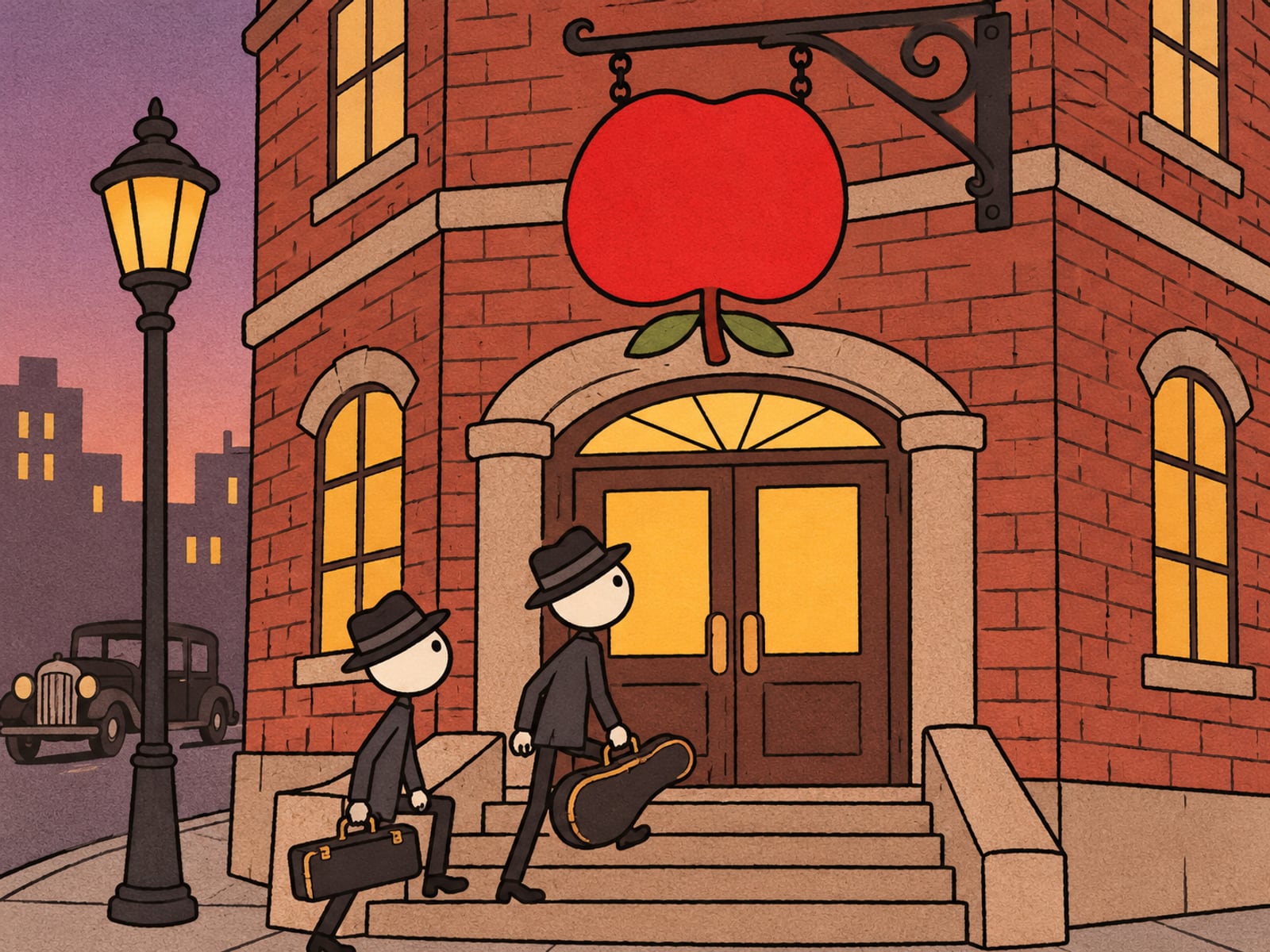
Then a club made it a place. In 1934, a Harlem nightclub named The Big Apple opened at West 135th Street and Seventh Avenue, with an upside-down apple sign over the entrance, as the Apples and People history tells it.
So, the order runs like this: racing first, jazz second. Musicians helped spread the nickname in the 1930s, but the racing use came before that.
Other explanations have gone around over the years. This is where each one stands.
- Edward Martin's 1909 novel The Wayfarer compared New York with "the big apple." That is an early literary use, but it did not set a lasting nickname.
- A Great Depression story about poor New Yorkers selling apples is classed by Popik as a false etymology, because Fitz Gerald's uses came before the 1930s (Popik's archive).
- A nineteenth-century brothel story and an apple-production story lack the documentary chain that the racing evidence has.
The best-supported account is a two-stage one: Fitz Gerald popularized the phrase in the 1920s, and jazz musicians broadened it to New York City in the 1930s. The other stories remain unproven.
1971: a city needs a nickname
Move ahead to 1971, and New York had a problem.
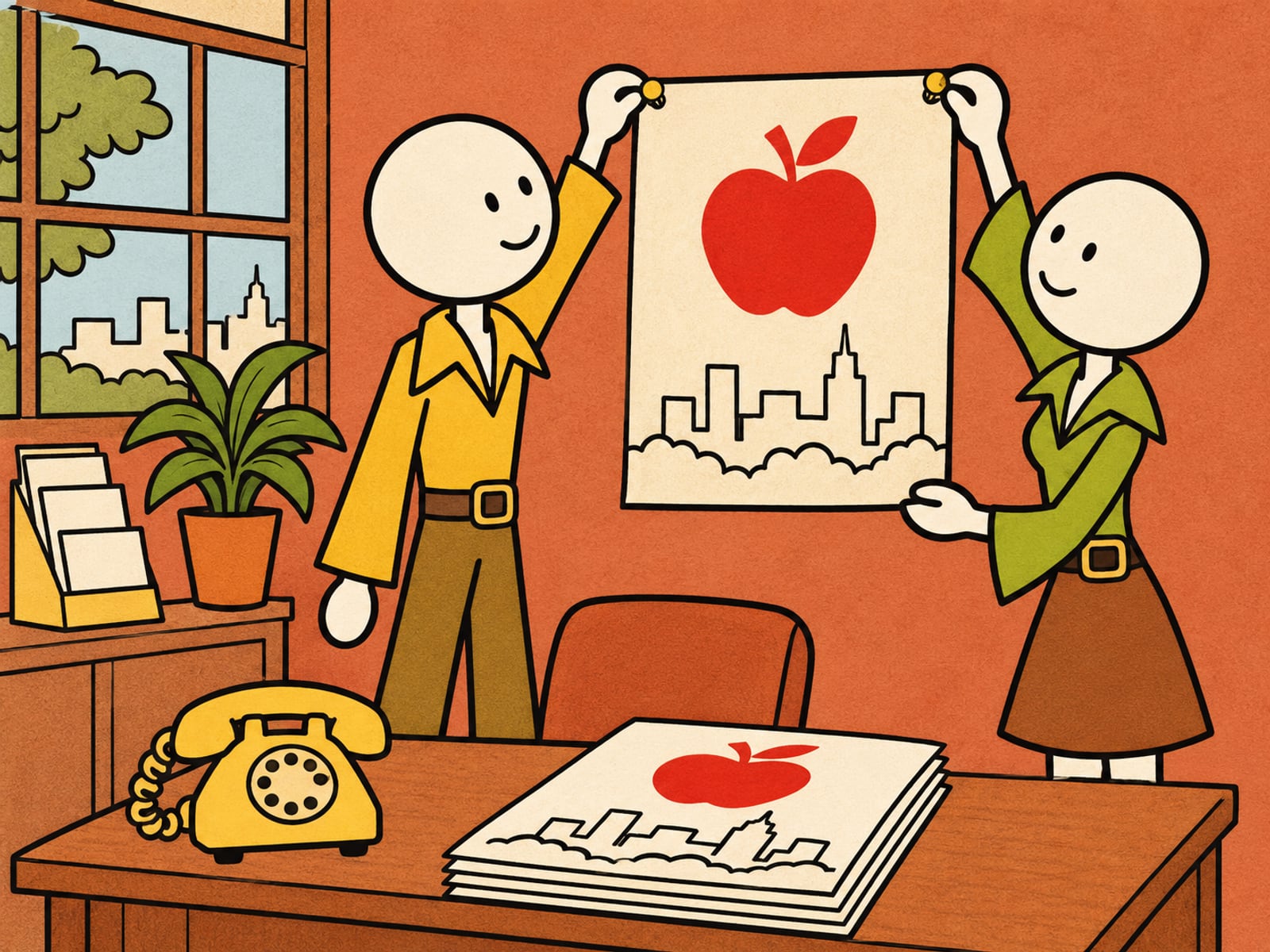
The city was facing damaging publicity about crime and money problems. Charles Gillett, president of the New York Convention and Visitors Bureau, reached back to a phrase tied to the 1930s jazz era and made "The Big Apple" the center of a public-relations campaign, according to Cohen and a 1991 forecasting guide.
The aim was to present New York as exciting, energetic and culturally important. Organizations and individuals were encouraged to use the name and apple imagery.
It worked. The nickname became widely recognized, and it replaced the less successful "Fun City" image.
Think of it like this: Fitz Gerald planted the seed, jazz musicians watered it, and a tourism office brought it to market.
A street corner for the man who spread it
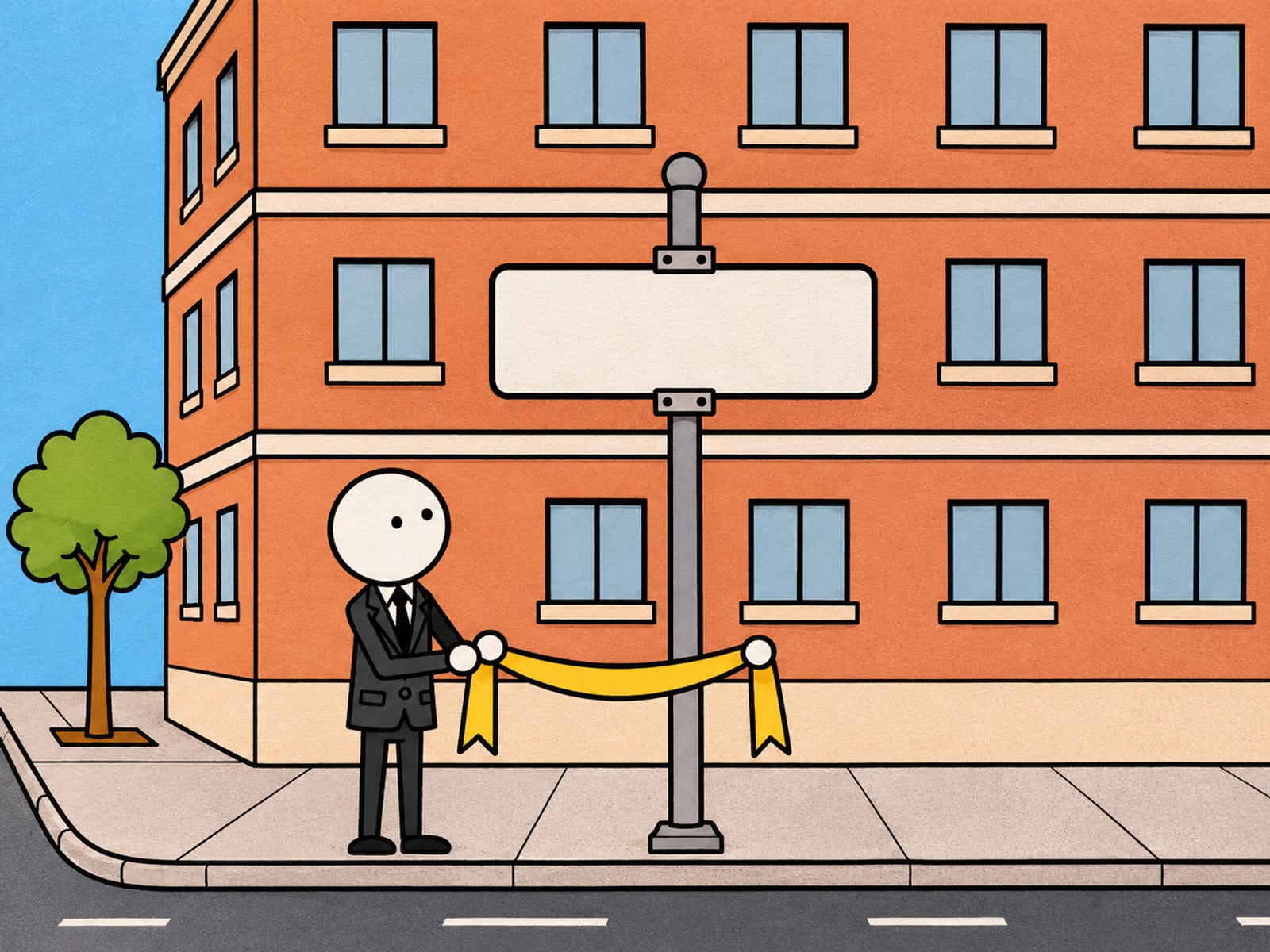
Fitz Gerald lived at the southwest corner of West 54th Street and Broadway from 1934 until his death in 1963.
On February 12, 1997, Mayor Rudolph Giuliani signed legislation naming that corner "Big Apple Corner," honoring him. The Mayor's Office announcement and the city's administrative code both record it.
Barry Popik's research identified the December 1, 1926 column and connected it with the January 1920 racing episode in New Orleans. Cohen credited Popik with showing when and how Fitz Gerald met the phrase.
A stablehand's answer, a newspaper column and a street sign.
The record
| Date | What happened | Source |
|---|---|---|
| January 1920 | Fitz Gerald hears stablehands in New Orleans call New York racecourses "the big apple" | Cohen, American Name Society |
| May 3, 1921 | The phrase appears in his New York racing column | Barry Popik's timeline |
| February 1924 | His column runs under the heading "Around the Big Apple" | Apples and People |
| December 1, 1926 | He explains the phrase by retelling the stablehand's answer | Cohen, American Name Society |
| The 1930s | Black jazz musicians carry the phrase to New York, especially Harlem | Cohen and Popik, Missouri S&T |
| 1934 | A Harlem nightclub named The Big Apple opens at West 135th Street and Seventh Avenue | Apples and People |
| 1971 | Charles Gillett's Convention and Visitors Bureau campaign revives "The Big Apple" | 1991 forecasting guide |
| February 12, 1997 | Mayor Giuliani signs the law naming Big Apple Corner | NYC Mayor's Office |
Questions people ask
Why is New York called Gotham? 01
Washington Irving used the name in his 1807 satire Salmagundi. He borrowed it from Gotham, Nottinghamshire, an English village tied to medieval stories about supposedly foolish inhabitants. It started as a joke about the city, and it stuck as a name, according to a New York City Council resolution.
Why is New York called the City That Never Sleeps? 02
The name describes its nightlife, late hours and round-the-clock activity. The city's own 2018 nightlife report uses it as a nickname. It describes the city's habits and has nothing to do with where "the Big Apple" came from.
Why is Harlem linked to jazz? 03
Harlem's clubs and musicians made it a destination in the early twentieth century, and the Harlem Renaissance gathered writers, artists and performers there.
Why did New York use the I Love NY logo? 04
It came from a 1970s campaign meant to improve the city's image, as El País describes it. It is a separate campaign from the Big Apple push, aimed at the same problem.
One apple, one city
The nickname stays tied to New York. Spanish-language media translate it as "la Gran Manzana," and Tiempo in Mexico and El País in Spain use it that way. It is not the name of a different place in either country.
What makes the story worth repeating is how little of it was planned. A racing phrase from the 1920s reached Harlem through jazz musicians, and a 1971 campaign made it famous.
The Big Apple started as racing slang, and a 1971 campaign made it famous.
Sources

- Gerald Cohen, American Name Society, "Big Apple"
- Gerald Cohen, American Name Society (full article download)
- Cohen and Popik, Missouri S&T
- Barry Popik, Big Apple timeline
- Barry Popik, false-etymology archive
- Apples and People, history of the Big Apple
- International Sports Federation, 1991 guide
- New York City Mayor's Office, 1997 announcement
- New York City administrative code, Big Apple Corner
- New York City Council resolution on Gotham
- New York City nightlife report, 2018
- El País, I Love NY logo
- Tiempo, "¿Por qué a NY se le llama 'la gran manzana'?"
- El País, "Nueva York en 70 claves"