Who Invented Peanut Butter?
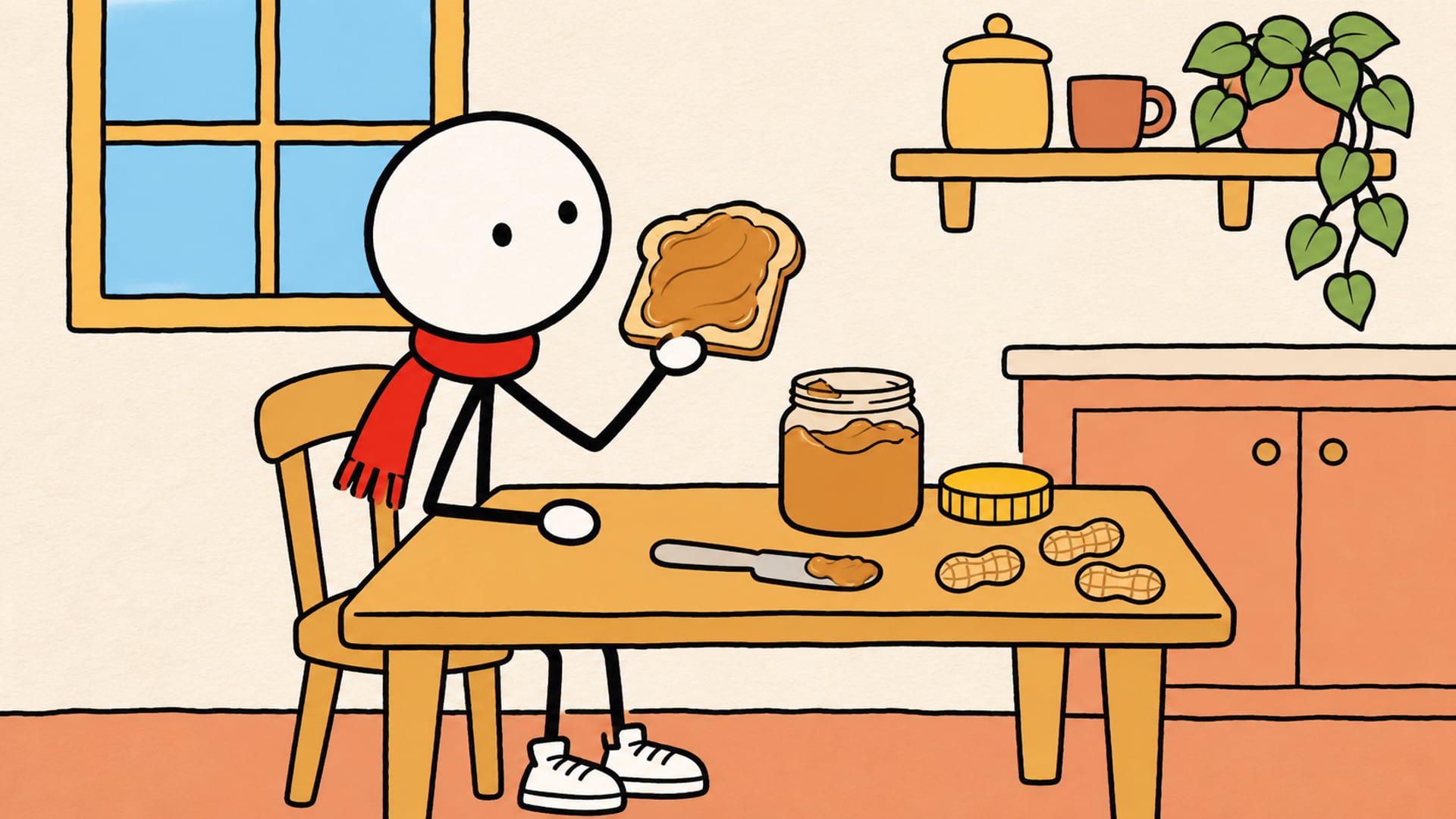
No one person invented peanut butter. Marcellus Gilmore Edson received the earliest known U.S. patent for a peanut paste in 1884, and John Harvey Kellogg patented nut-butter processes in 1896 and 1898. George Washington Carver did not patent peanut butter; his work was about growing and using peanuts.

In this explainer +
Peanut butter has no single uncontested inventor, and the answer you get depends on which jar you mean.
The earliest known U.S. patent for a peanut paste went to Marcellus Gilmore Edson, a chemist from Montreal, on October 21, 1884, as U.S. Patent No. 306,727. Eleven years later, a physician in Battle Creek, Michigan, filed for patents on a nut butter of his own.
Here is the route we'll take. First, Edson's paste. Second, John Harvey Kellogg's nut-butter patents. Third, a snack brand and a grinding mill. Fourth, what George Washington Carver really did with peanuts. One question runs through all of it, and it's the one to keep asking: Who made the paste?
Edson, Montreal, 1884
Start with the patent itself. Edson describes roasting peanuts, removing the shells, and grinding the nuts between heated surfaces. What comes out is a paste that flows when it's warm and sets like butter, lard or ointment when it cools.
That's not a snack idea. Edson meant the paste mainly for candy, and the patent calls for about one part paste to seven parts sugar. In other words, it was an ingredient, and the sweet part was most of the recipe.
It also tells us something about the world before 1884. Edson writes as though people already knew roasted peanuts and peanut flour, and the paste was the new thing he wanted to claim.
Who made the paste? Edson, at least on paper, and first.
Kellogg, Battle Creek, 1895 to 1898
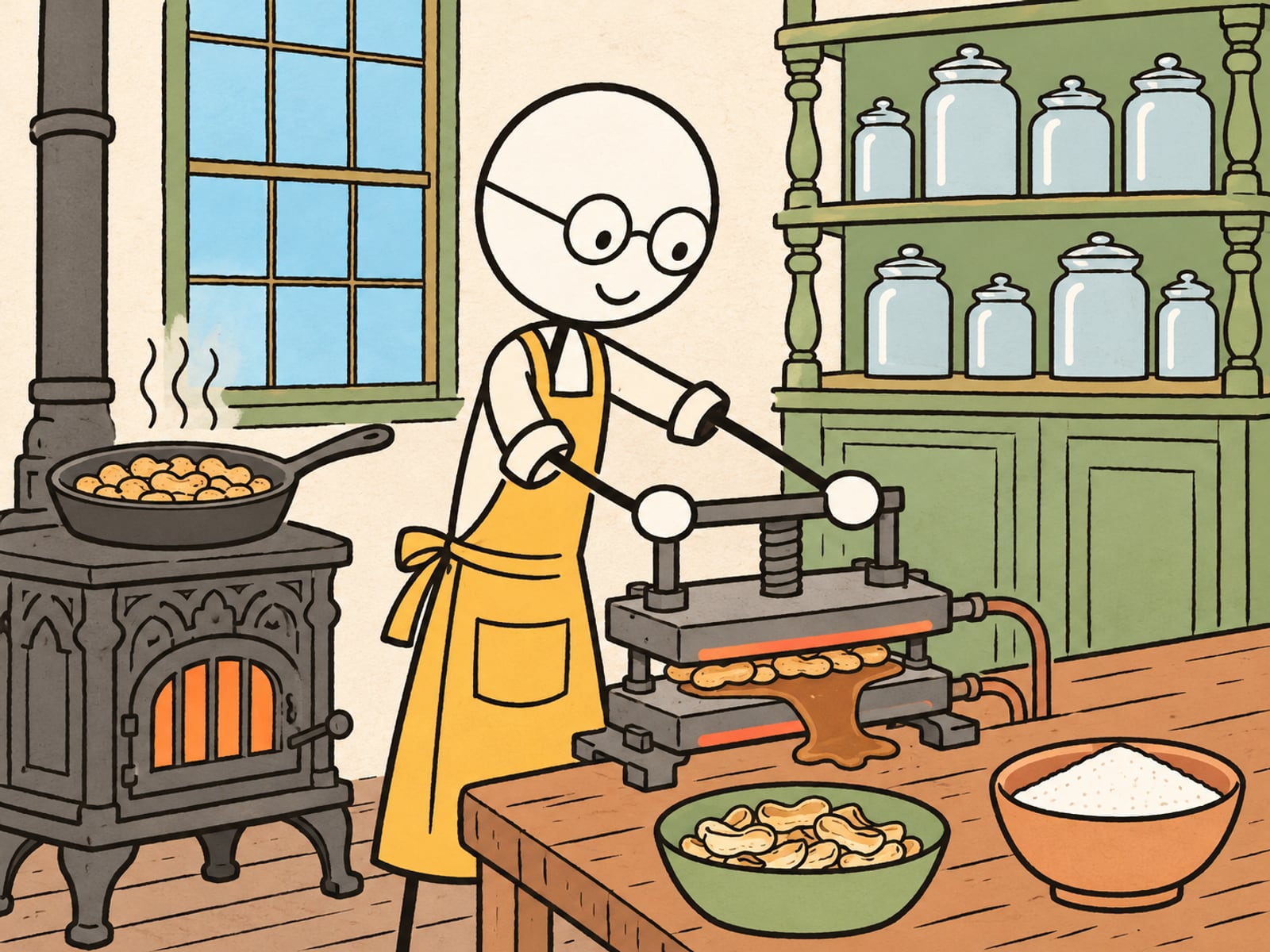
John Harvey Kellogg was a physician in Battle Creek, Michigan. On November 4, 1895, he applied for a process that blanched, cooked, dried, crushed and pressed nuts into a moist, brown paste. His patent calls the result "nut-butter."
U.S. Patent No. 567,901 was granted on September 15, 1896. U.S. Patent No. 604,493 followed on May 24, 1898, describing a semisolid product made mainly from peanuts, with a texture like hard butter or soft cheese.
Now the part that surprises people. Kellogg's nut butter was not the sweet, roasted spread in your kitchen. It was a vegetarian, protein-rich food tied to the Battle Creek Sanitarium, and it was promoted as a stand-in for dairy butter or meat.
The Library of Congress and other histories often give Kellogg the credit anyway. His patents and his company left a clear paper trail, and that helps a name stick.
Who made the paste? Edson patented it first. Kellogg turned it into a health food with a patent number.
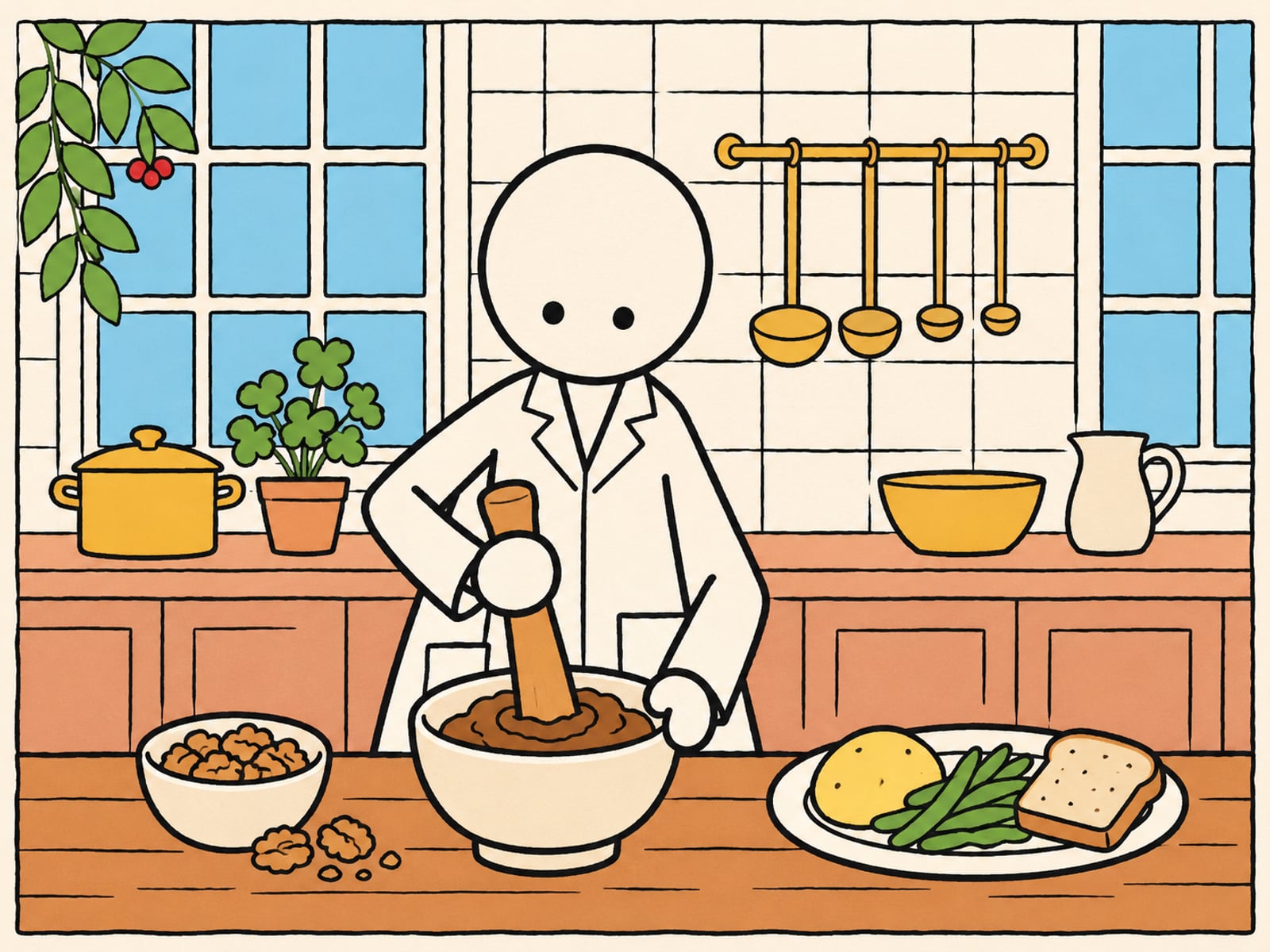
A snack brand and a grinding mill
Two more names turn up in the story, and they play very different parts.
George Bayle of St. Louis may have sold peanut butter as a snack as early as 1894, under the Acorn brand. According to History.com, early Acorn labels called the company "The Originators of Peanut Butter." Bayle never patented his product, and that one detail is much of why his name fades next to Kellogg's.
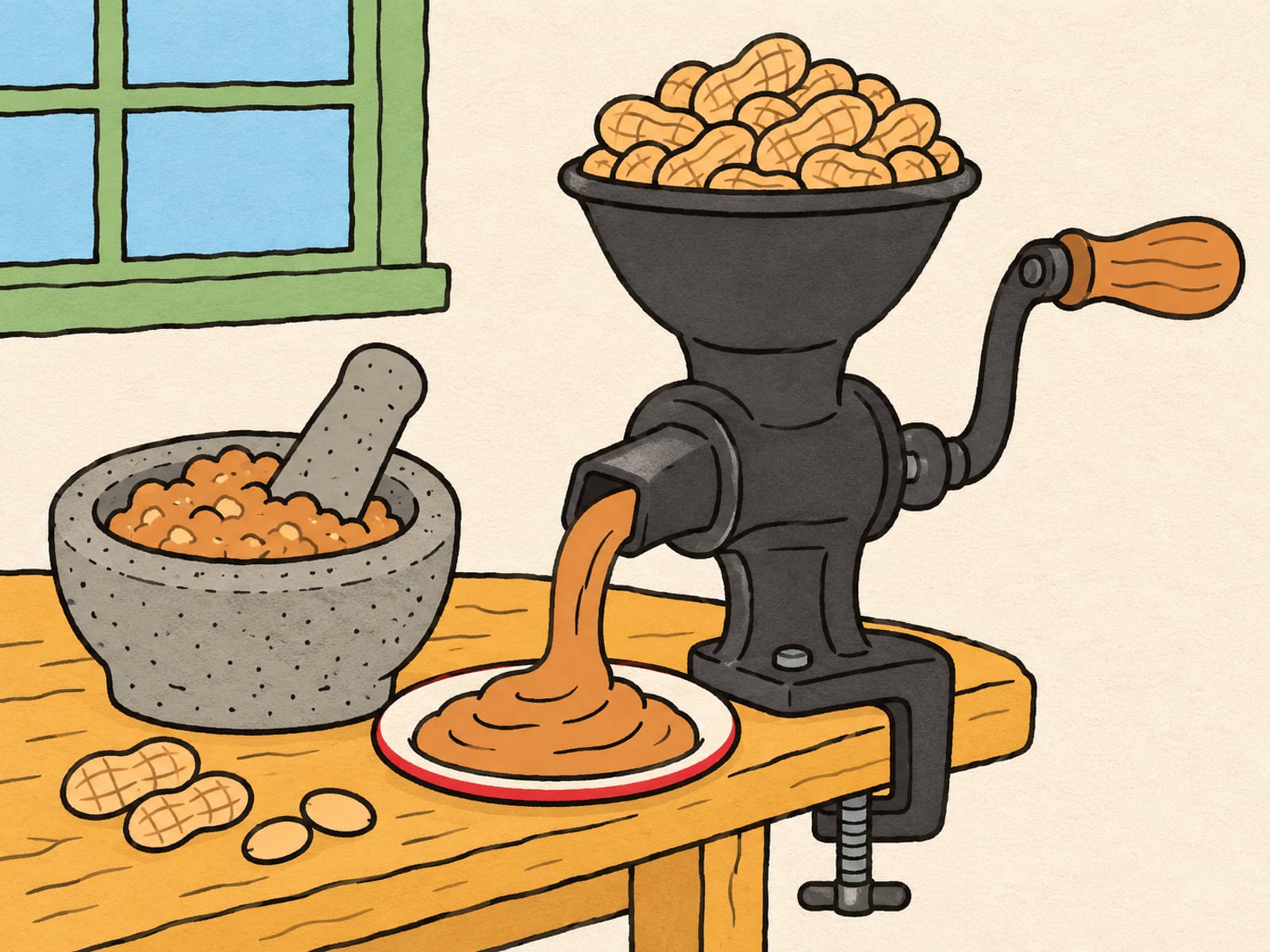
Ambrose W. Straub didn't invent the paste at all. His U.S. Patent No. 721,651, granted on February 24, 1903, covers a portable mill for grinding peanuts.
That matters more than it sounds. Before machines like his, making peanut butter meant slow small-batch grinding. The Library of Congress describes mortar and pestle work first, then meat grinders, and the result was coarse compared with the smooth jar of today. A mill moved the work toward commercial production.
What George Washington Carver did with peanuts
Now to the name most people expect to hear. George Washington Carver did not invent peanut butter. The National Archives says Carver filed three federal patents, and none of them was for peanut butter.
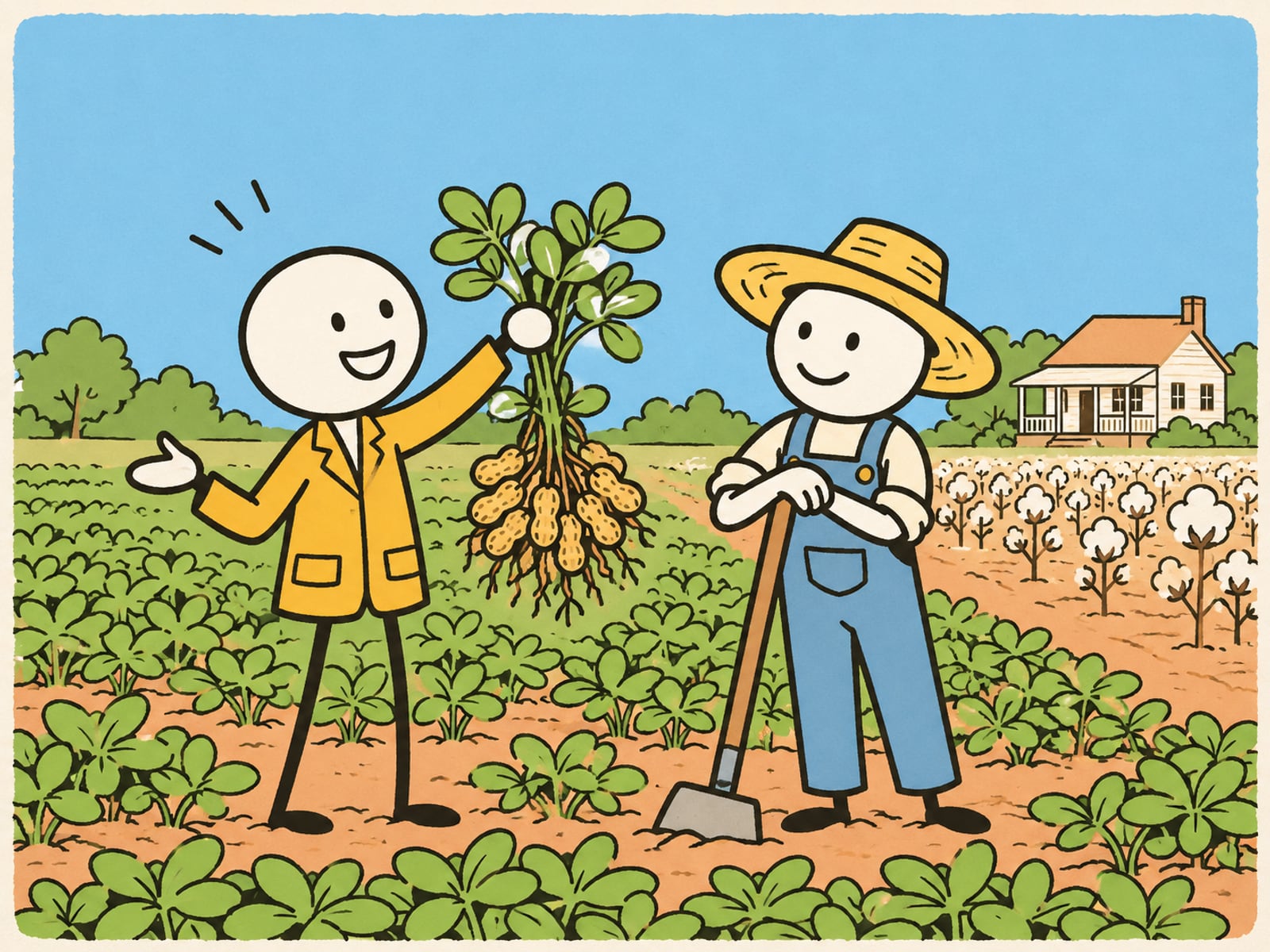
His real work was in the field and the classroom. Carver was an agricultural scientist and educator at Tuskegee Institute in Alabama. He promoted peanuts to Southern farmers, partly as a crop to rotate in, which could help restore soil worn out by planting cotton year after year.
He also spread the word about what peanuts could become. His Tuskegee bulletin, How to Grow the Peanut and 105 Ways of Preparing It for Human Consumption, appeared in 1916 or 1917, depending on the catalog record. It mixed growing advice with recipes, and the National Archives describes him as having discovered more than 300 uses for the peanut, though not all became commercial successes.
By then, peanut pastes and nut butters had already been patented and sold. Carver's name is tied to peanuts because he made them matter to farmers and cooks. That is a big achievement, and it's a different one.
Before 1884, and after
Peanut paste is older than any patent. McGill University notes that Indigenous peoples in pre-Columbian South America ground roasted peanuts into paste. No inventor can be named and no recipe can be securely dated, so it's best called an early tradition.
After the patents, the spread changed fast. In 1901, Julia Davis Chandler's article in the Boston Cooking School Magazine carried a peanut-butter and jelly sandwich recipe. In 1922, Joseph Rosefield patented a process using partially hydrogenated oil to reduce oil separation, and his company later sold Skippy, launched in 1932, according to the Library of Congress and TIME.
The name travels differently. Mexico's consumer agency tests it as crema de cacahuate, Spain's press uses mantequilla de cacahuete, and Argentina's Food Code uses pasta de maní and manteca de maní. A UK government toxicity committee report says peanuts reached the United Kingdom around the time of the Second World War.
Think of it like this: each person on this list built one layer, and nobody got to build the whole jar.
The record
| Date | What happened | Source |
|---|---|---|
| October 21, 1884 | Marcellus Gilmore Edson is granted U.S. Patent No. 306,727 for a peanut paste | Edson patent |
| November 4, 1895 | John Harvey Kellogg applies for his nut-butter process | Kellogg patent No. 567,901 |
| September 15, 1896 | Kellogg's U.S. Patent No. 567,901 is granted | Kellogg patent No. 567,901 |
| May 24, 1898 | Kellogg's U.S. Patent No. 604,493 is granted | Kellogg patent No. 604,493 |
| 1901 | Julia Davis Chandler's article carries a peanut-butter and jelly sandwich recipe | Library of Congress |
| February 24, 1903 | Ambrose W. Straub is granted U.S. Patent No. 721,651 for a portable peanut mill | Straub patent |
| 1916 or 1917 | Carver's Tuskegee bulletin on growing and preparing peanuts appears | USDA National Agricultural Library |
| 1922 | Joseph Rosefield patents a process to reduce oil separation | TIME |
| 1932 | Rosefield's company launches Skippy | TIME |
Questions people ask
Who invented peanut butter? 01
No one person did. Marcellus Gilmore Edson received the earliest known U.S. patent for a peanut paste in 1884, and John Harvey Kellogg patented nut-butter processes in 1896 and 1898. George Bayle may have sold it as a snack by 1894, and Ambrose W. Straub patented a grinding mill in 1903.
Did George Washington Carver invent peanut butter? 02
No. The National Archives says none of Carver's three federal patents was for peanut butter. His work was teaching farmers to grow peanuts and showing cooks how to use them.
Why is peanut butter called butter when it has no dairy butter in it? 03
The word was older than the spread. "Butter" was used for a soft, spreadable food with a butter-like texture, and early patents describe pastes that set like butter or lard once cool. Kellogg also promoted his nut butter as a substitute for dairy butter.
Why does peanut butter separate into oil and solids? 04
The natural oil in peanuts can drift apart from the ground peanut particles. A maker can add a stabilizing ingredient to slow that down. Rosefield's 1922 patent used partially hydrogenated oil for that purpose.
Many hands, one jar
The jar on the shelf has many makers. There is Edson's paste, Kellogg's nut butter, Straub's mill and Rosefield's process, plus the older grinding traditions that came before any of them.
Carver belongs near that story, though not in the inventor's chair. His part was the crop, the farmers and the recipes.
Who made the paste? Many hands did, starting with Edson in 1884.
Sources

- U.S. Patent No. 306,727, Edson, peanut paste for candy
- U.S. Patent No. 567,901, Kellogg, food compound
- U.S. Patent No. 604,493, Kellogg, alimentary products
- U.S. Patent No. 721,651, Straub, peanut-butter mill
- Library of Congress, "As American as Peanut Butter and Jelly"
- History.com, "Who Invented Peanut Butter?"
- National Archives, George Washington Carver patents
- USDA National Agricultural Library, Carver's peanut bulletin
- McGill University, "Peanut Butter's History Goes Back to the Incas"
- TIME, "A Brief History of Peanut Butter"
- Profeco, Laboratory report on crema de cacahuate
- El País, El Comidista, mantequilla de cacahuete
- Argentina, Food Code resolution 23/2025
- UK Committee on Toxicity, peanut report