Who invented the light bulb?
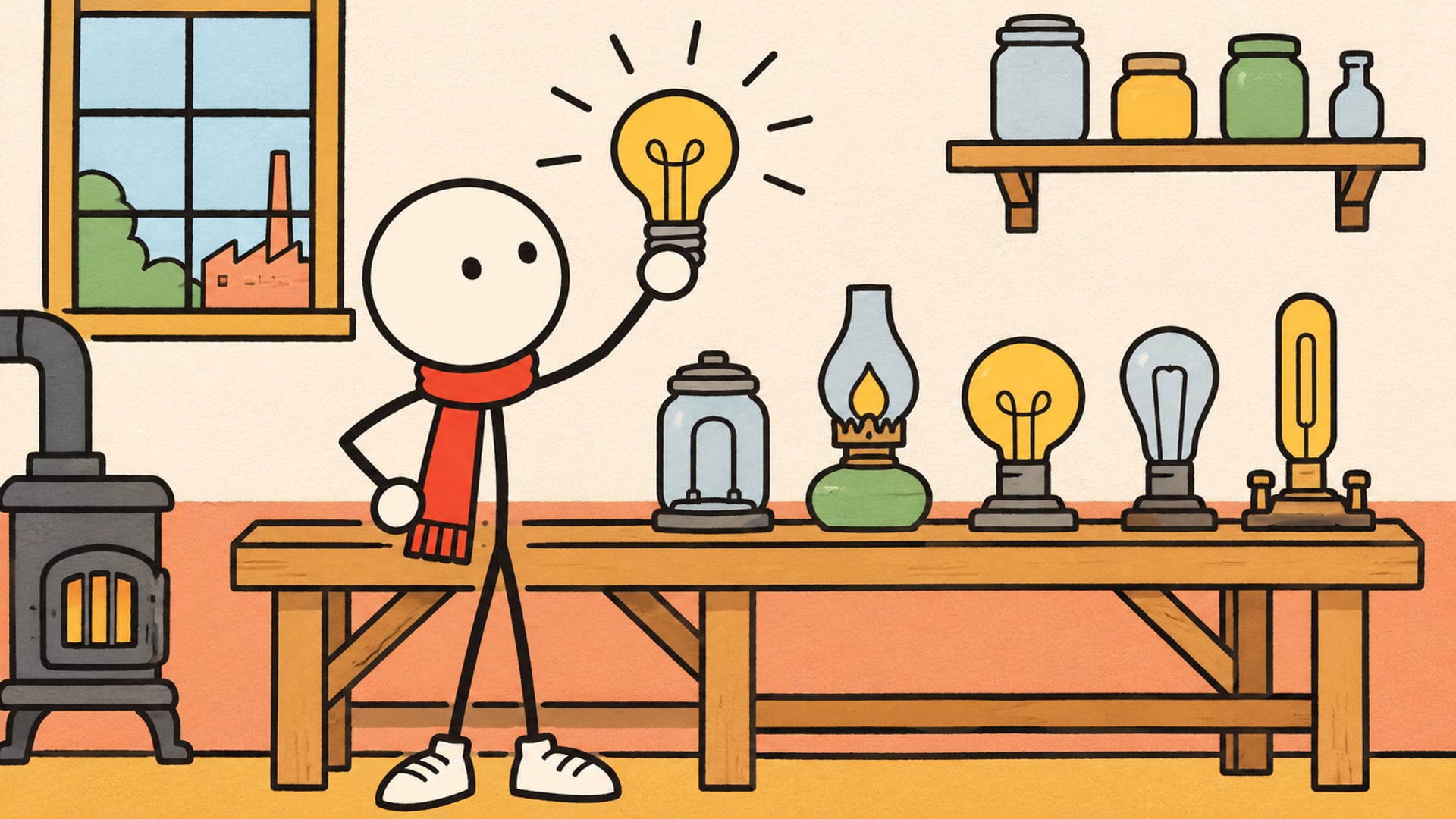
Thomas Edison developed the first widely practical incandescent light bulb and the system of wiring and power that made it usable in homes. Earlier inventors, including Joseph Swan in England, built working electric lamps first. Edison's patent, No. 223,898, was granted on January 27, 1880.

In this explainer +
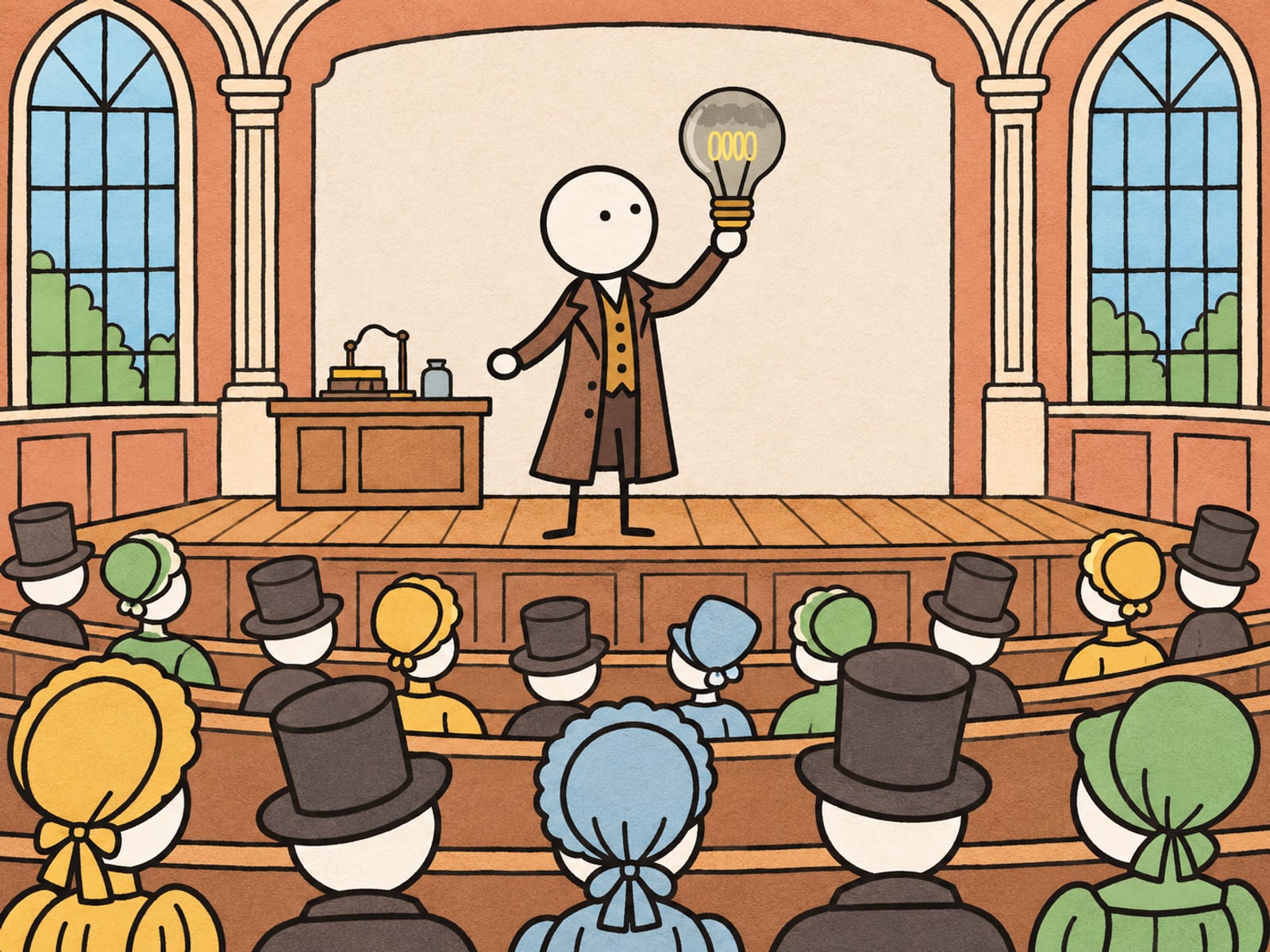
It's January 1879 in Newcastle, England. Joseph Swan is standing in front of a lecture audience, holding a glass bulb with a small carbon filament inside, and it glows.
Thomas Edison's public demonstration at Menlo Park, New Jersey, is still months away. His patent comes in 1880.
So, who invented the light bulb? Edison developed the first widely practical one, and the electrical system that let ordinary homes use it. But inventors had been making electric lamps glow for decades before that, and Swan's carbon lamp came first.
Here's how the story runs.
A long line of glowing wires
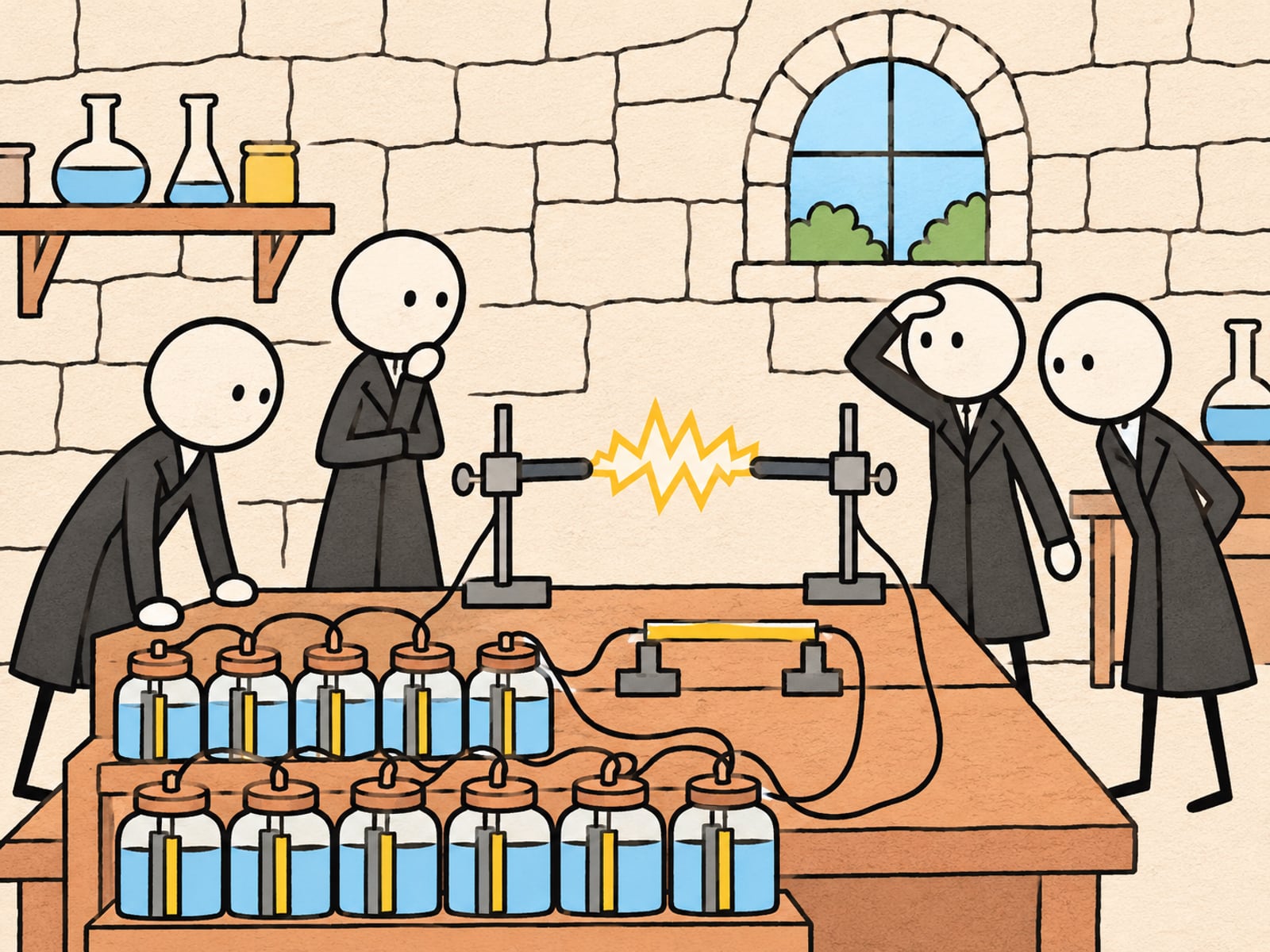
Electric light did not start with a lightbulb. In 1802, Humphry Davy used a large battery at the Royal Institution in London to make a strip of platinum glow. Later he showed an electric arc, a bright spark jumping between two pieces of carbon. Both were thrilling. Neither was something you could screw into a lamp at home.
Over the next few decades, others tried to turn that glow into a lamp. Warren de la Rue built one in 1820. William Robert Grove followed in 1840. Frederick de Moleyns got a patent for an incandescent lamp in 1841, using powdered charcoal between platinum wires inside a glass globe with the air pumped out. Incandescent, by the way, just means glowing because it is hot.
Each design hit a wall. Platinum was too expensive for everyday lighting. Grove's light worked well enough to light an auditorium, but it used far too much electricity. De Moleyns's globe blackened quickly, and his lamp never sold.
Then came Swan.
Swan, and a bulb that blackened
Swan had been experimenting with carbonized paper filaments since around 1850. A filament is the thin thread inside a bulb that does the glowing. By 1860 he had put a carbon filament in a glass bulb with much of the air removed, and it glowed.
Briefly. The vacuum pumps of the day were weak, enough air stayed inside, and the bulb blackened.
Swan came back to the problem once better pumps were available. He reported success in late 1878, and he showed a working lamp in Newcastle in January and February 1879. That's the room from the start of this story. British Patent No. 4933 followed in 1880.
There was a catch, though. Swan's early carbon rods had low electrical resistance, which means they let a lot of current through. That needed heavy conductors, meaning thick wires. A lamp like that was fine on a lecture table. It was a poor fit for a large network feeding thousands of rooms.
What Edison added
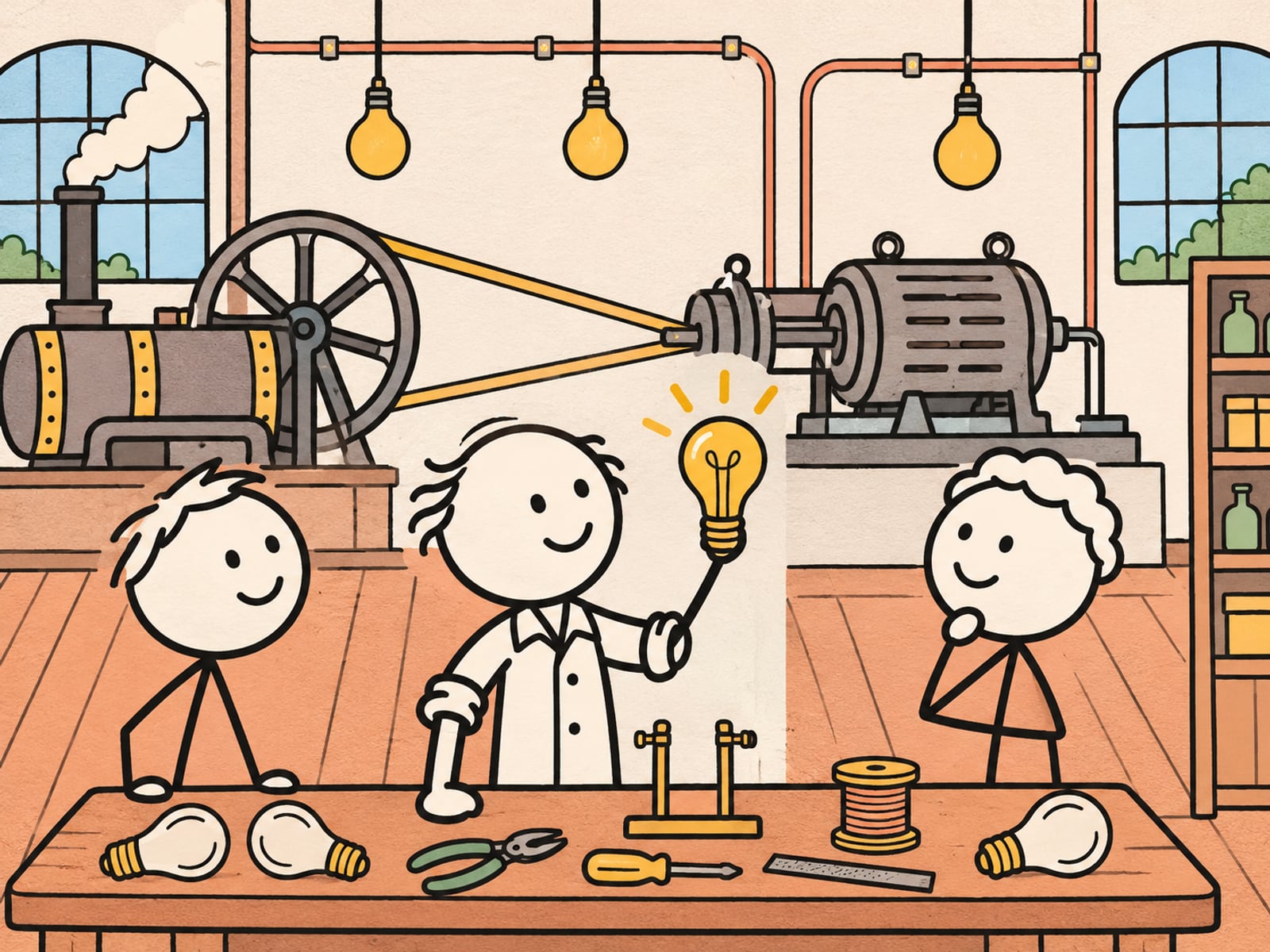
In December 1879, Edison and his team publicly demonstrated an incandescent lighting system at Menlo Park, according to the National Park Service. The lamp used a carbonized filament inside a bulb with the air pumped out.
Edison's filament was thin and had high resistance. In other words, it held back the current, so it needed less of it and could work with longer copper wires. That small difference is what made a whole city of bulbs possible.
On January 27, 1880, he was granted U.S. Patent No. 223,898, "Electric Lamp." It covered a high-resistance carbon filament in a nearly airless glass bulb, and ways of making it.
Here is the part that matters for the argument. The National Archives describes the patent as an improvement, not a patent on the general idea of electric lamps. That idea was already out there.
What Edison built around the bulb was just as important to the result. Lighting a home needed dynamos to make power, wiring, switches, fuses and a way to distribute it all. Edison's team put the lamp and that whole system together. That is why his name stuck.
The carbon lamp gets cheaper
A good bulb still had to be made over and over, and carbon filaments were fragile. Enter Lewis Latimer.
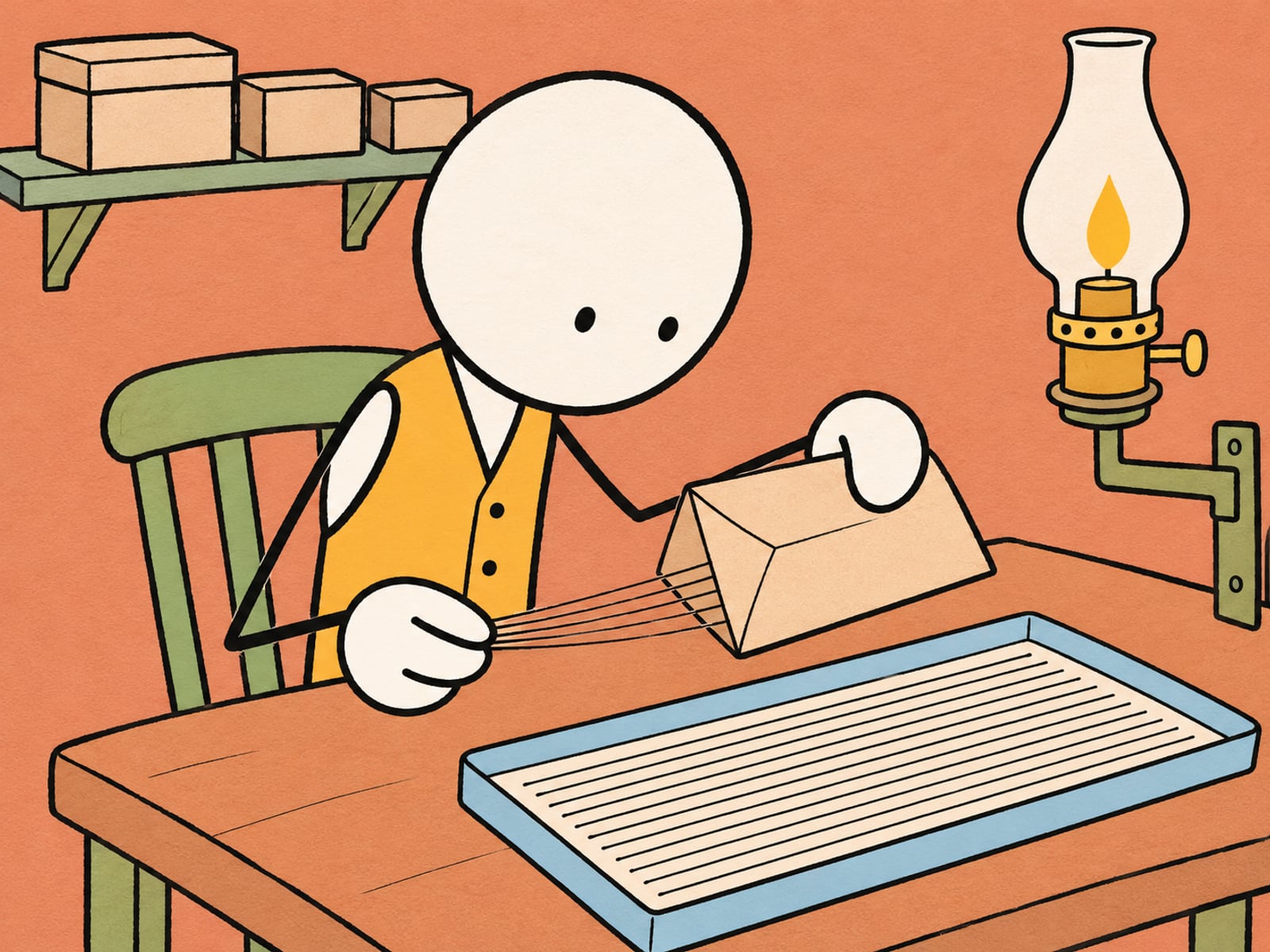
Latimer worked for the United States Electric Lighting Company, after joining Hiram Maxim's company in 1880. He worked out a way to carbonize filament material inside protective cardboard envelopes. The envelopes helped control shrinkage and cut down on breakage. The result, according to the U.S. Patent and Trademark Office, was carbon filaments that were more consistent, cheaper and easier to make at scale.
He applied in 1881 and received U.S. Patent No. 252,386, "Process of Manufacturing Carbons," on January 17, 1882. His contribution wasn't the first bulb. It was a better way to manufacture one, which is its own kind of invention.
Meanwhile, Edison and Swan had been competing in Britain, and Swan's patent position was strong enough to create legal risk for Edison's British company. They chose to join forces. On October 26, 1883, the two British companies merged as the Edison and Swan United Electric Light Company, commonly called Ediswan.
From a glowing thread to a chip
The carbon filament was not the end. General Electric began selling lamps with William Coolidge's ductile tungsten filament in 1910. Ductile means the metal can be drawn into wire and bent without snapping. In 1913, Irving Langmuir paired coiled tungsten with an inert gas fill, which improved efficiency and life. General Electric developed the tungsten-halogen lamp in 1959.
Today's LED bulb works differently. It makes light inside a semiconductor, with no glowing wire at all.
The record
| Date | What happened | Source |
|---|---|---|
| 1802 | Humphry Davy makes platinum glow with a large battery at the Royal Institution | Royal Institution |
| 1841 | Frederick de Moleyns receives the first patent for an incandescent lamp | Cambridge historical note |
| 1860 | Joseph Swan's carbon filament glows briefly in a bulb that blackens | IET biography of Swan |
| January 1879 | Swan shows a glowing carbon lamp to a lecture audience in Newcastle | Science Museum Group |
| December 1879 | Edison's team demonstrates an incandescent lighting system at Menlo Park | National Park Service |
| January 27, 1880 | Edison is granted U.S. Patent No. 223,898, "Electric Lamp" | Google Patents |
| January 17, 1882 | Lewis Latimer receives U.S. Patent No. 252,386 | Google Patents |
| October 26, 1883 | Edison and Swan's British companies merge as Ediswan | Smithsonian |
| 1910 | General Electric begins selling lamps with Coolidge's tungsten filament | Smithsonian timeline |
| 1913 | Langmuir combines coiled tungsten with an inert gas fill | Smithsonian timeline |
Questions people ask
Who really invented the light bulb? 01
No single person did. Davy, de Moleyns, Swan and others built working electric lamps before Edison. Edison developed the first widely practical bulb and the electrical system around it, which is why household electric light is tied to his name.
Why does a light bulb glow? 02
In an incandescent bulb, electricity meets resistance as it moves through the thin filament, and that resistance heats the filament until it glows. The U.S. Department of Energy's history of the light bulb covers this in plain terms.
Why does an incandescent bulb get hot? 03
Most of the energy an incandescent bulb uses becomes infrared heat rather than visible light, according to the U.S. Department of Energy. Only a small part of the energy comes out as light.
Why are LED bulbs more efficient? 04
An LED makes light directly in a semiconductor, instead of heating a wire until it shines. Less energy is wasted as heat on the way to visible light.
Edison made it practical
The glowing carbon lamp in that Newcastle room was one step in a long run. Edison's lamp and system, then Latimer's cheaper filaments, carried it toward ordinary rooms.
Edison's bulb is why electric light reached those rooms. The carbon lamps of Swan, Latimer and others came before it, or beside it, and made it possible.
Edison made the light bulb practical, and many inventors lit the way first.
Sources

- Science Museum Group, Joseph Swan
- Institution of Engineering and Technology, Joseph Swan biography
- Smithsonian, Joseph Swan biography
- National Archives, Thomas Edison's patent application for the light bulb
- Google Patents, Edison's U.S. Patent No. 223,898
- National Park Service, Edison biography
- Royal Institution, Sir Humphry Davy
- Cambridge, historical note on materials for incandescent lighting
- U.S. Patent and Trademark Office, Lewis Latimer, "Bringing Light to All"
- Google Patents, Latimer's U.S. Patent No. 252,386
- Smithsonian, lighting timeline
- Smithsonian, tungsten-halogen lamp team
- U.S. Department of Energy, The History of the Light Bulb